Last updated November 23, 2026
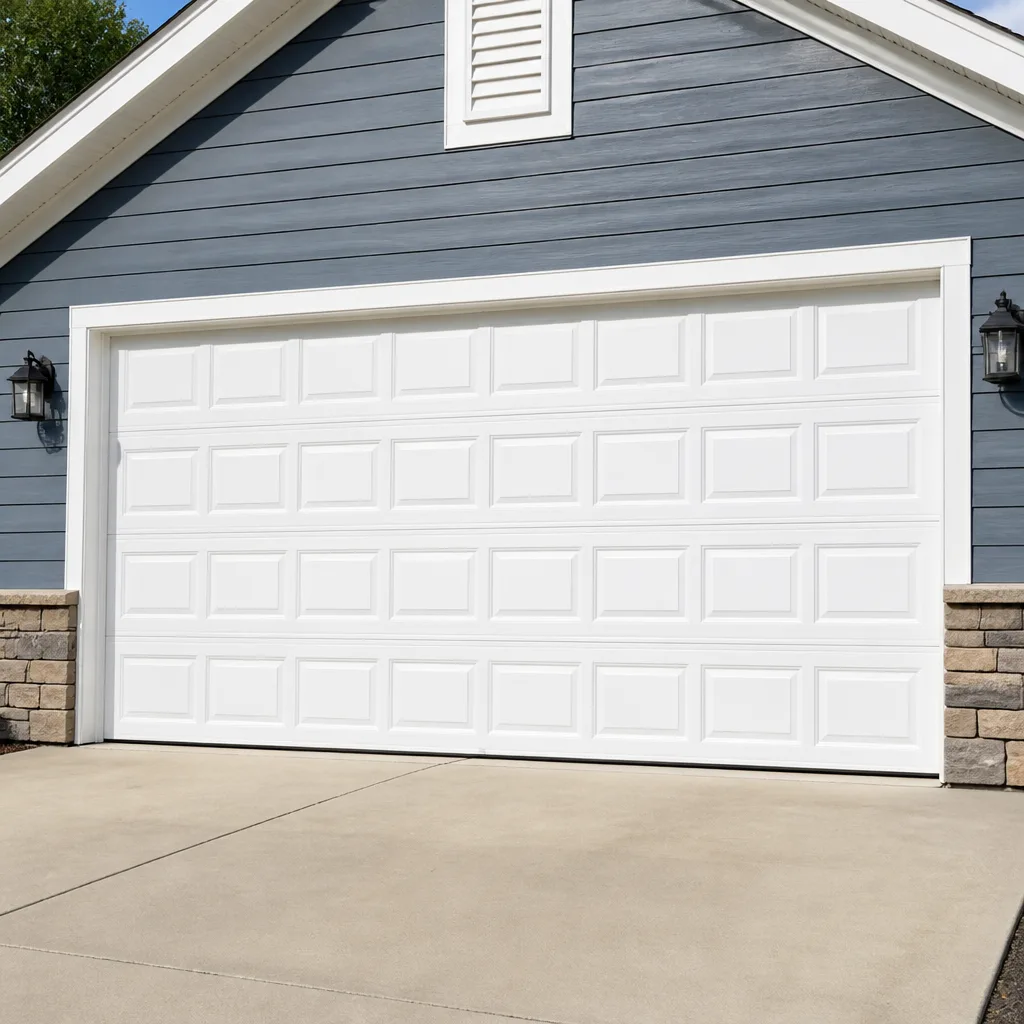 Raised-panel steel
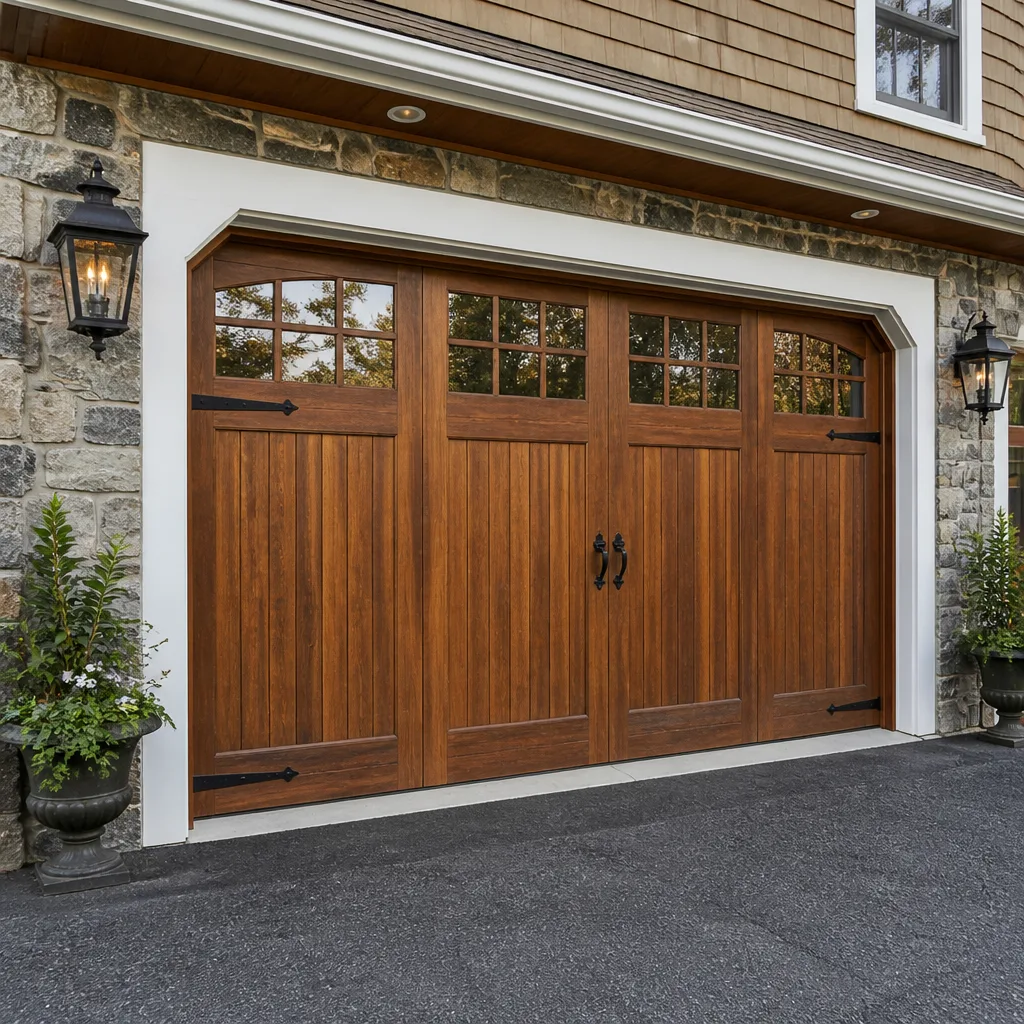 Carriage house
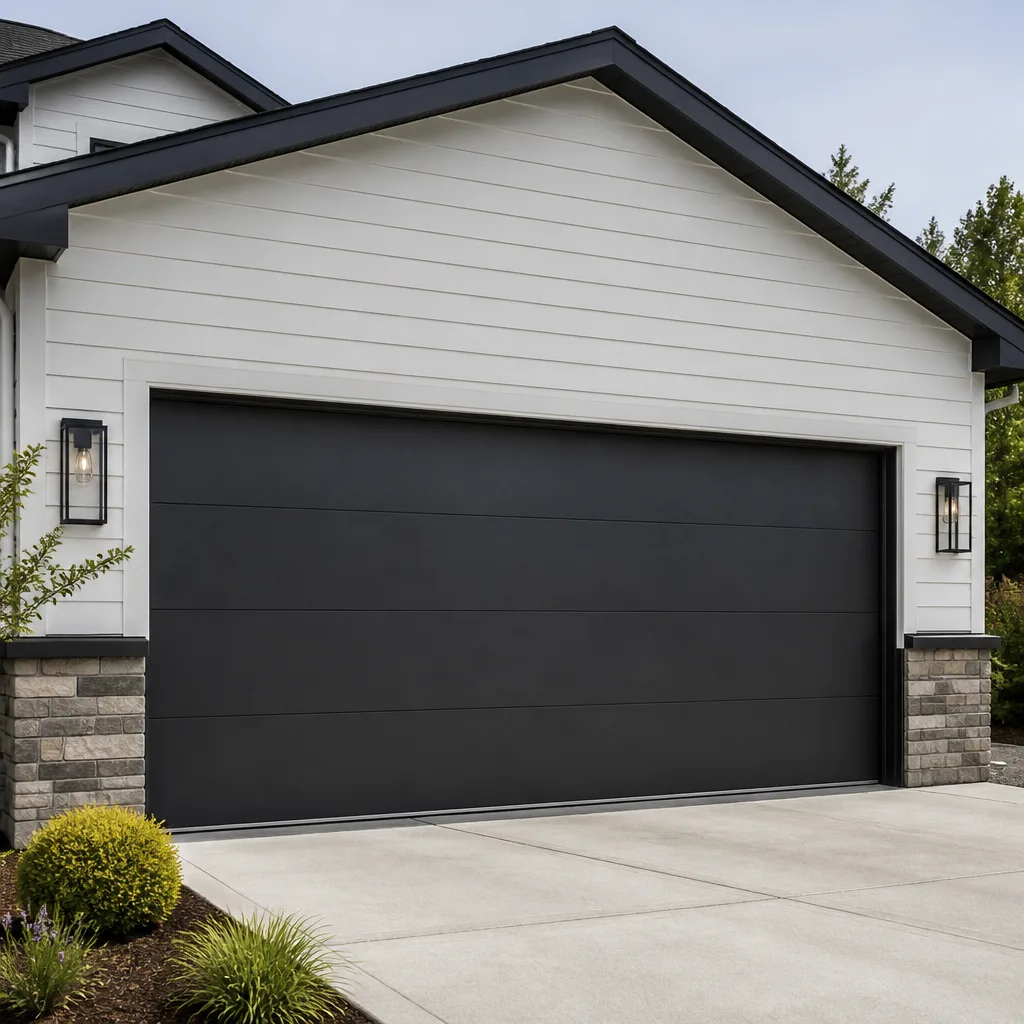 Modern flush
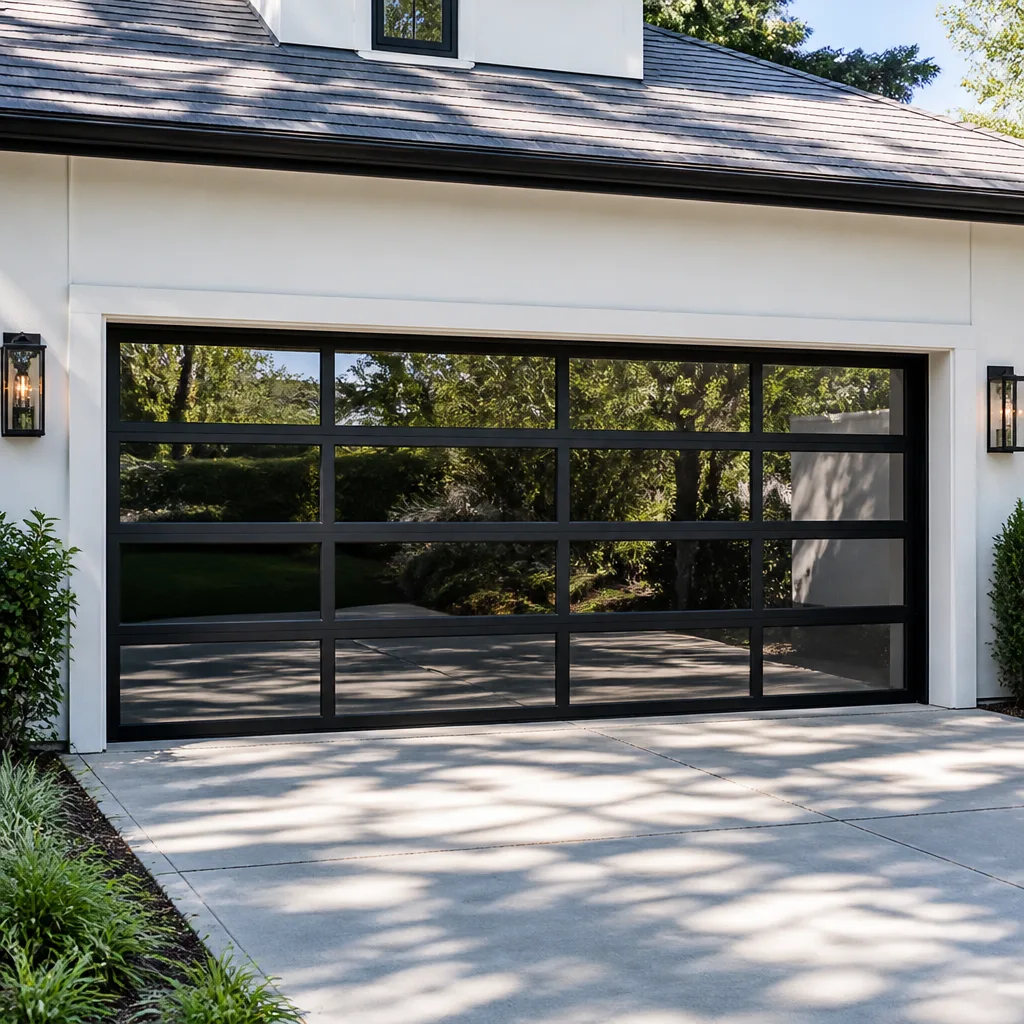 Full-view glass
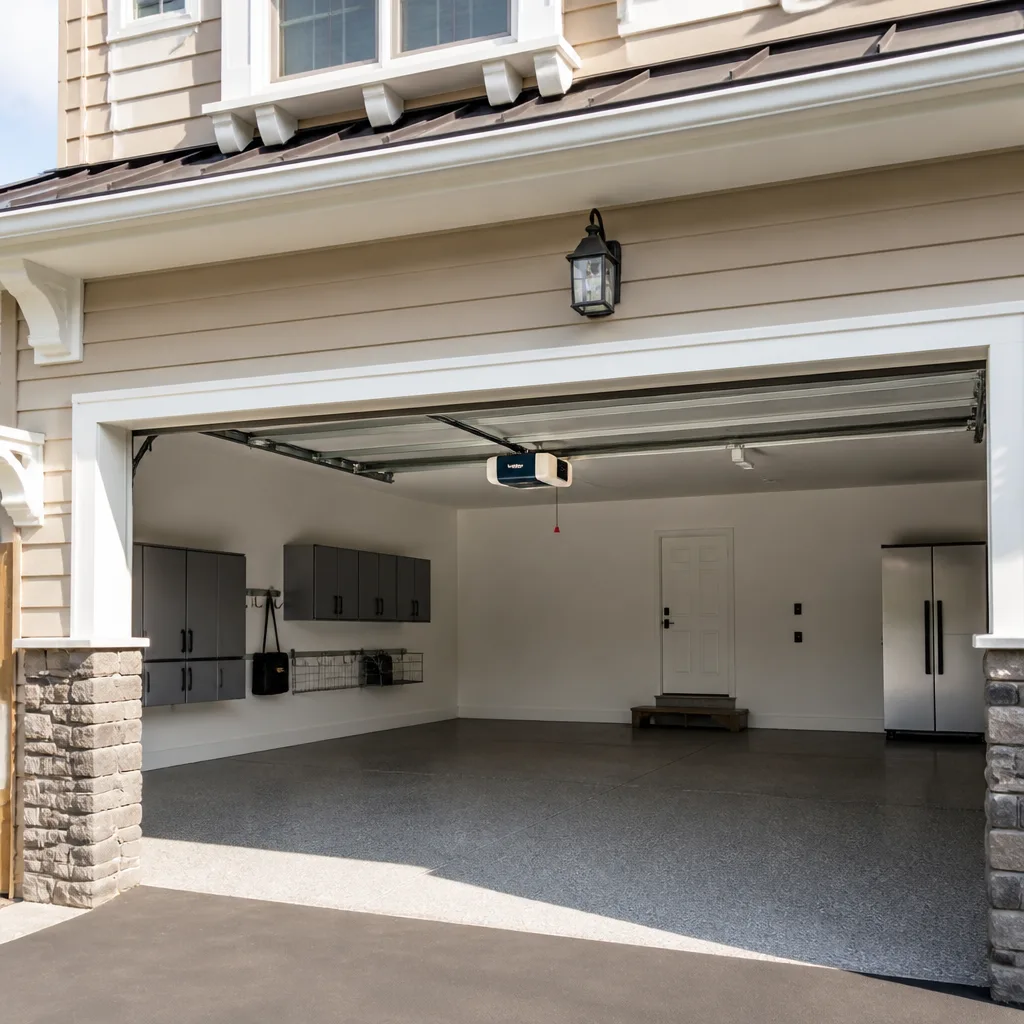 LiftMaster openers
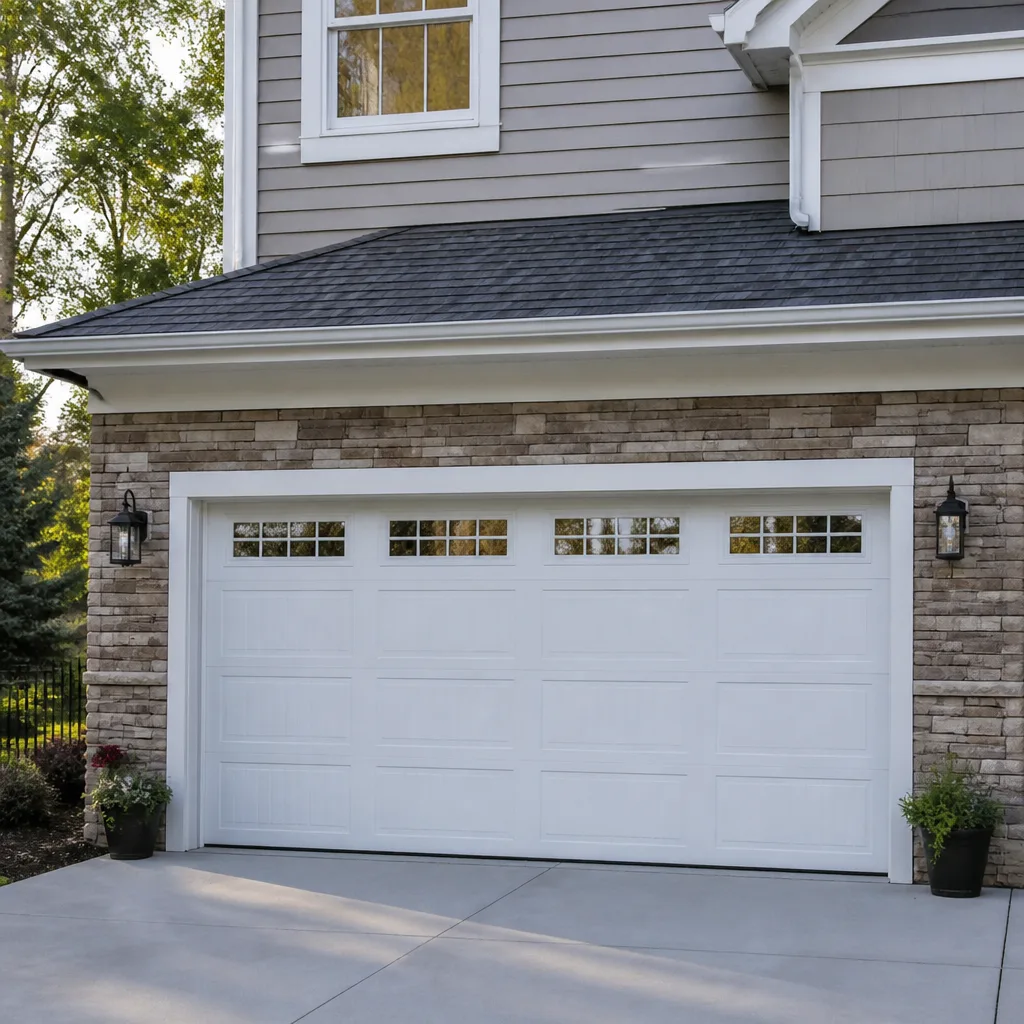 Chamberlain openers
Full 25-point door and opener safety check with every visit - springs, cables, rollers, tracks, and your LiftMaster or Chamberlain opener included
You get a price before we start. It does not change when the pro arrives.
Get your free estimateGarage Door Permits, Codes & Inspections in Zionsville, IN: What You Need to Know
Here’s the counterintuitive part: replacing a garage door in Zionsville usually doesn’t require a permit. But cutting a new opening in an exterior wall for a second garage bay does, and that difference catches people off guard. We’ve watched homeowners confuse the two and end up with an unpermitted structural change sitting in a file somewhere, only to surface when they put the house on the market. This guide lays out exactly what triggers a permit in Zionsville, which Indiana code provisions govern opener and spring safety, how the area’s HOA covenants add a layer on top of code, and how to untangle the mess if work was already done without one. Whether you’re planning ahead or sorting out a past renovation, here’s what actually matters.
Quick Answer
For Zionsville and the surrounding Boone County jurisdiction, a like-for-like garage door replacement typically doesn’t need a building permit, but any new garage door opening cut into an existing wall, or a structural change to the header, does. Indiana residential code governs opener safety features such as the reversing mechanism, and HOA covenants in many Zionsville neighborhoods control door style, color, and window layout beyond what the code requires. When in doubt, call the Town of Zionsville’s building department directly to confirm the scope of your job.
Styles & brands we work with
- Raised-panel steel
- Carriage house
- Modern flush
- Full-view glass
- LiftMaster openers
- Chamberlain openers
Table of Contents
- What Work Actually Triggers a Permit in Zionsville?
- Indiana Code: Opener Safety and Spring System Requirements
- The HOA Overlay: Style, Color, and Window Covenants
- What a Failed Garage Door Inspection Looks Like in Practice
- How to Retroactively Permit Work Done Without One
- How to Vet a Contractor for Permit-Ready Work
- The Documentation You Should Keep
What Work Actually Triggers a Permit in Zionsville?
The cleanest way to think about it: cosmetic work doesn’t need a permit, structural work does. If you’re swapping a door of the same size and type into an existing opening, the frame, header, and structure stay untouched. That’s a replacement, and in most Zionsville cases it moves ahead without a permit. If you’re enlarging the opening, cutting a brand-new one, or altering the structural header above the door, you’ve crossed into permitting territory.
Here’s where the threshold lies in practical terms:
- No permit typically needed: Replacing a sectional door of the same dimensions, changing the opener, replacing torsion or extension springs, swapping panels, adding a new bottom seal, or replacing rollers and hinges.
- Permit typically required: Cutting a new garage door opening into an existing wall, enlarging an existing opening to fit a wider or taller door, modifying or replacing the structural header above the opening, or converting a non-garage space into a garage bay.
- Gray area – call the city: Replacing the entire frame and jamb of an existing opening, or any change that involves removing exterior wall sections.
Boone County and the Town of Zionsville share jurisdiction over different portions of the area, so the exact answer can depend on your address. The safe move is to pick up the phone and ask the building department what they’d want for your specific scope. They answer this question all day, and a two-minute call saves you a headache down the road. For straightforward replacements, this rarely comes up, which is why most of the garage door repair we handle never touches the permit process at all.
Indiana Code: Opener Safety and Spring System Requirements
Indiana’s residential building code follows the model codes most states have adopted, and for garage doors that means specific requirements around opener safety. The two features that matter most are the photoelectric safety reversal system (the sensor pair that sits about knee-high at the opening) and the pressure-sensitive reversal built into the opener itself. If either fails, the opener isn’t compliant, and on a new installation or opener replacement the work should bring the system up to current standard.
Spring systems fall under the mechanical provisions of the code, and the standard here is straightforward: springs, cables, and attaching hardware must be rated for the door’s weight and installed per the manufacturer’s listing. Torsion springs must be mounted to a sound structural surface, and the lift cables must run through proper cable drums and be secured with the correct hardware. There’s no shortcut around this stuff.
One more thing worth knowing: if you’re selling a Zionsville home, buyers and inspectors look at garage door operation. A door that won’t reverse on contact raises questions. On any garage door opener repair we handle, we check both reversing systems as part of the job, because a working opener that fails the safety test is a problem waiting to be discovered at the worst possible moment.
Springs Are Not a DIY Item
Torsion springs and the cables under tension are genuinely dangerous. A wound spring stores an enormous amount of energy, and releasing it without the right tools and knowledge can result in serious injury. We don’t publish step-by-step instructions for this, and we’d urge you not to look for them elsewhere. Our garage door spring repair is a dedicated service precisely because it demands the right equipment and the discipline to do it safely every time. If your springs are broken, get a professional out.
The HOA Overlay: Style, Color, and Window Covenants
Code is the floor, not the ceiling. Many of Zionsville’s established subdivisions and newer planned communities carry HOA covenants that go further than Indiana code ever would. The most common restrictions we see involve door style (raised-panel vs. carriage-house vs. flush), color (often tied to the home’s existing trim or a specific palette), and window configuration (number of windows per section, row placement, and whether frosted glass is allowed).
If you’re replacing a door of the same style and color, you usually sail through. If you’re changing the look, you’ll want to check the covenants before you order. The practical sequence looks like this:
- Pull your HOA’s architectural guidelines and find the section on exterior modifications. It’s usually in a packet you received at closing.
- If the guidelines don’t specify garage doors, submit a request to the architectural review committee. Most respond quickly for a simple replacement.
- Get the approval in writing, even if it’s just an email confirmation. Save it.
- Order the door only after you have that approval in hand.
The brands that come up most often in Zionsville replacement work are the ones with strong style and color programs, like Amarr and Wayne Dalton, because they offer the carriage-house and raised-panel looks most covenants specify. If you’re replacing through a warranty claim on a Craftsman or Raynor door, check whether the HOA still has a say on the replacement’s exact configuration. It often does.
What a Failed Garage Door Inspection Looks Like in Practice
Garage doors aren’t subject to a routine periodic inspection the way some trades are, but they get inspected during a permit closeout, a real estate transaction, or an insurance review. When a door fails, it’s usually for one of a handful of recurring reasons. Here’s what we see most often in Zionsville homes:
- Photoelectric sensors out of alignment or mounted too high. The most common correction item, by far. Sensors should sit just above the floor and be aligned so the beam is unbroken across the opening. Displaced brackets and misaimed sensors are everywhere.
- Pressure reversal set too high. The opener’s down-force limit gets turned up over time to compensate for a binding door. That masks a mechanical problem and fails the safety test.
- Missing or damaged spring containment. On older doors, an extension spring that’s lost its safety cable or a torsion spring mounted to an unsound surface will get flagged.
- Door imbalance. A door that won’t stay put when raised halfway by hand is out of balance, which points to spring tension issues and gets corrected during the inspection.
- Missing permit documentation for structural changes. This is the one that hurts at resale. The door itself looks fine, but the paper trail isn’t there for a header or opening change.
None of these are exotic. They’re the usual suspects, and they’re fixable. The frustration is when a homeowner learns about a missing permit only after a buyer’s inspector catches it. If you want to know your door is inspection-ready before a sale, have a technician go through both the mechanical and the safety systems first.
How to Retroactively Permit Work Done Without One
If a prior owner cut a new opening or modified a header without a permit, you’re not stuck. Retroactive permitting is a real process, and it’s more common than people assume. The steps vary by jurisdiction, but the general shape is this:
- Call the Town of Zionsville building department. Explain what work was done, when it was done, and that you want to bring it into compliance. Ask what they need for a retroactive permit.
- Assemble documentation. Depending on the scope, they may want a structural drawing or letter from a licensed engineer confirming the header is adequate, photographs of the framing before and after, and proof of the contractor’s licensing.
- Get a contractor letter. A licensed professional who inspects the work can provide a written statement describing what was done and confirming it meets code. This is a common requirement.
- Schedule the inspection. Once the permit issues, an inspector visits and either signs off or lists corrections. Most corrections are minor.
- Keep the signed-off permit with your home records. It’s the proof your buyer’s attorney will ask for.
The two things that make this smoother are photographs and a contractor letter. If a technician can see the framing, the header, and the installation, they can write a useful letter. If the work was done years ago and the framing is closed up, the process takes longer and may require opening a small section of wall. It’s rarely a deal-breaker for a sale, but it does cost time, so it’s worth resolving before the house goes on the market rather than after.
How to Vet a Contractor for Permit-Ready Work
The contractor you hire matters more than the door you choose when a permit is in play. A specialist who works with the Town of Zionsville’s building department regularly knows what the inspectors want to see, what documentation to prepare, and when to pull a permit versus when it isn’t required. A general contractor who occasionally installs garage doors usually doesn’t, and you end up doing the coordination yourself.
When you’re vetting a contractor, ask these questions:
- Will you confirm the permit requirement with the Town of Zionsville before starting, and pull the permit if one is needed?
- Do you carry general liability and workers’ comp coverage, and can you provide a certificate?
- Have you pulled permits for garage door openings in Boone County before? Can you describe the process?
- What documentation will you leave behind after the job is complete?
- Do you work on the brand I already have, or will I be pushed toward a replacement?
That last question matters more than people expect. A generalist tends to steer you toward a full replacement because that’s what they know. A specialist works on the brand already on your house, whether that’s a LiftMaster opener, a Genie, or a Chamberlain, and only recommends replacement when the door itself is past fixing. Brand coverage across the major lines is a good sign you’re talking to a specialist, not a handyman who occasionally takes door work. We cover the full set of major brands because our customers already have them installed, and switching brands mid-life rarely makes sense.
The Documentation You Should Keep
Some of this feels like bureaucratic busywork. It isn’t. When you sell a home, there’s a document package a buyer’s inspector and attorney will review, and garage door paperwork is part of it. Keep these items in a folder with the rest of your home improvement records:
- Signed permit and inspection sign-off, if a permit was required.
- Contractor invoice or receipt showing the work performed and the date.
- Manufacturer warranty documentation for the door and the opener.
- HOA architectural approval (email confirmation is fine).
- Any structural letter or engineer’s report, if the job touched the header or framing.
- Photographs of the installation, especially before the framing was closed up.
Homeowners rarely regret keeping too much paperwork. They do regret not having it when a buyer’s question turns into a contingency. If you’re planning to sell within a few years and had work done without documentation, get the contractor letter sorted now while it’s still easy.
Common Mistakes to Avoid
- Assuming “replacement” and “new opening” need the same permit. They don’t, and treating them identically costs either time (unnecessary permits) or money (unpermitted structural changes). Always confirm scope with the building department before ordering a door.
- Skipping the HOA check because the door is “the same size.” Size isn’t what covenants regulate. Style, color, and window configuration are, and an HOA can require you to redo a door that doesn’t match its guideline even if the code is fine with it.
- Not getting the HOA approval in writing. Verbal approval from a board member doesn’t hold up. An email or letter does.
- Turning the opener’s down-force up to fix a binding door. This masks a mechanical problem and fails the safety test. If the door binds, the door is the issue, not the force setting.
- Ignoring the reversing system after a replacement. A new opener or door is a chance to verify the photoelectric sensors are aligned, mounted at the correct height, and functional. Skipping this test on installation is one of the most common inspection correction items we see.
- DIY-ing the torsion spring to save money. We can’t say this clearly enough: this is the wrong place to economize. A wound torsional spring holds enough energy to seriously harm an untrained person.
- Filing the paperwork away and forgetting about it. If a permit was pulled and signed off, keep the documents with your home records. When a buyer asks, “Who installed this and when was it permitted?” you want the answer at your fingertips.
See the difference
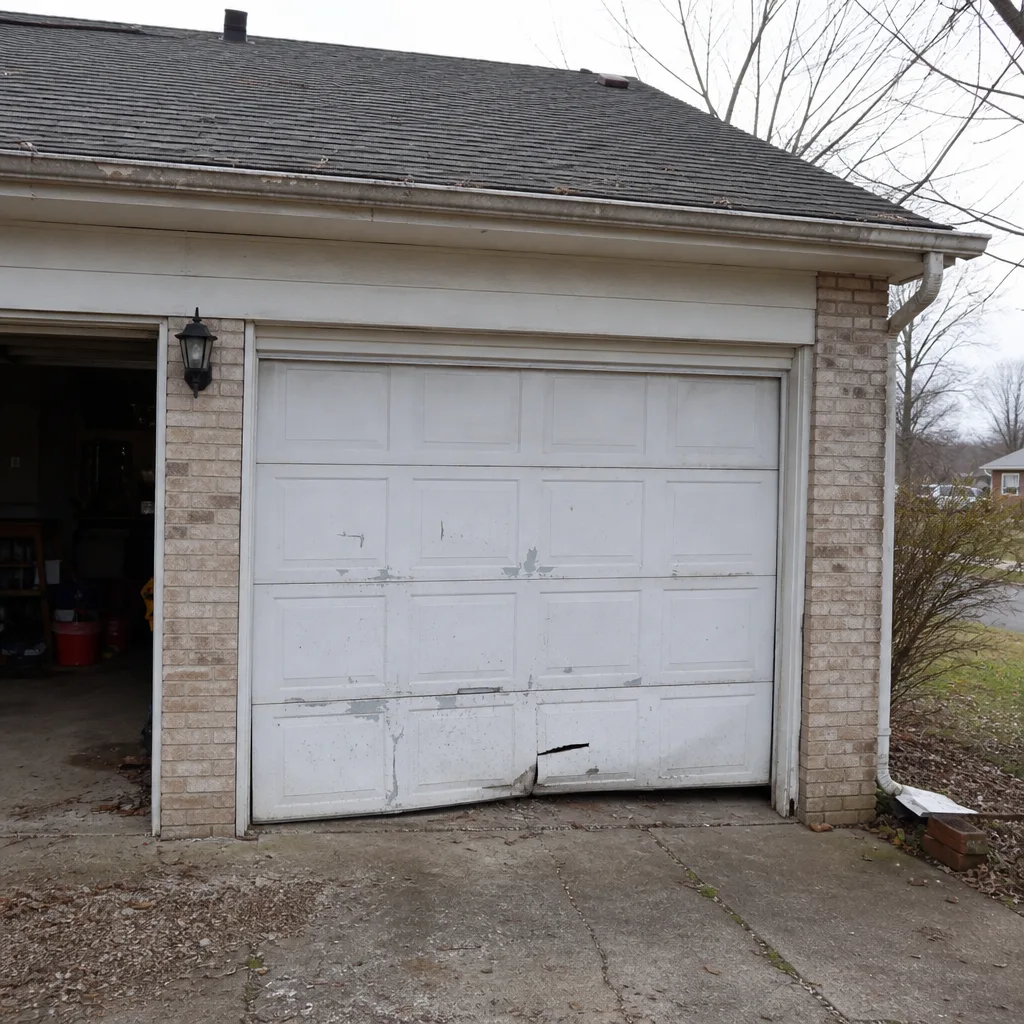 Before
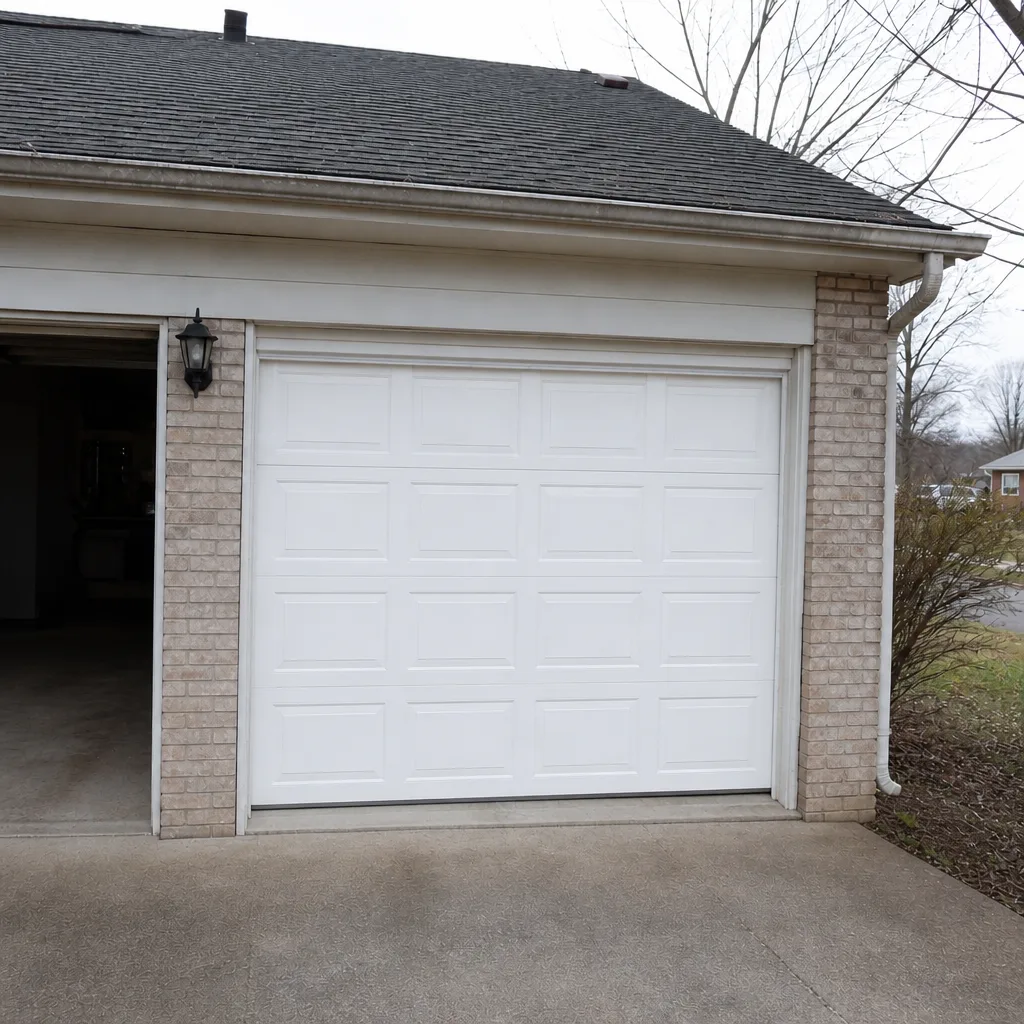 After
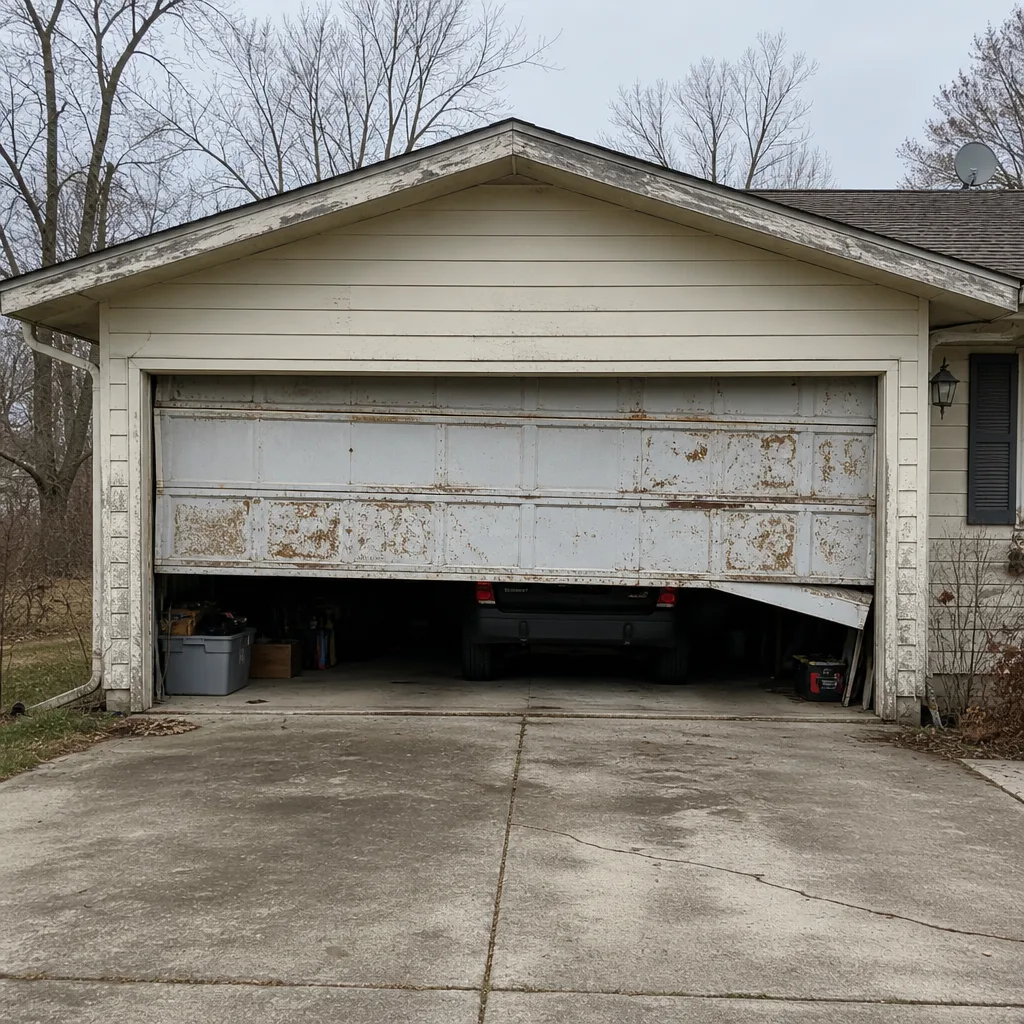 Before
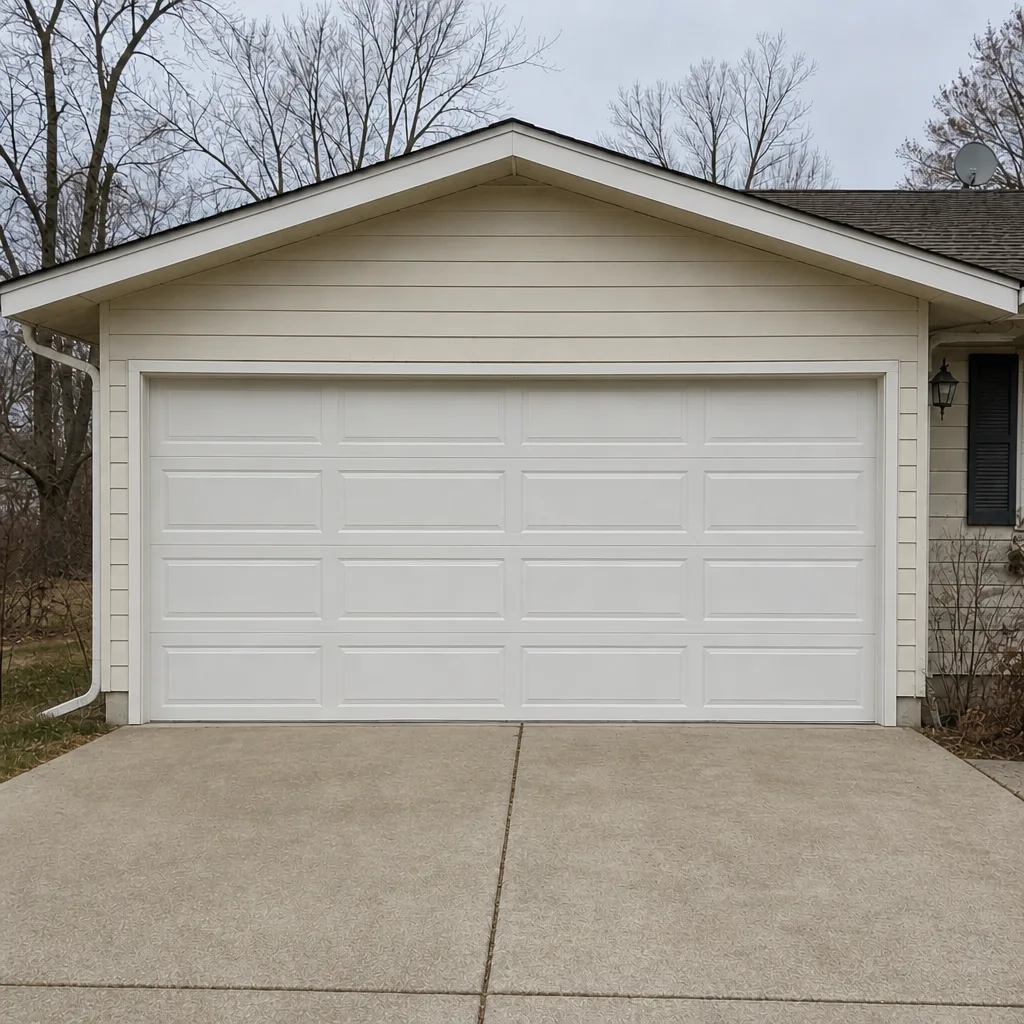 After
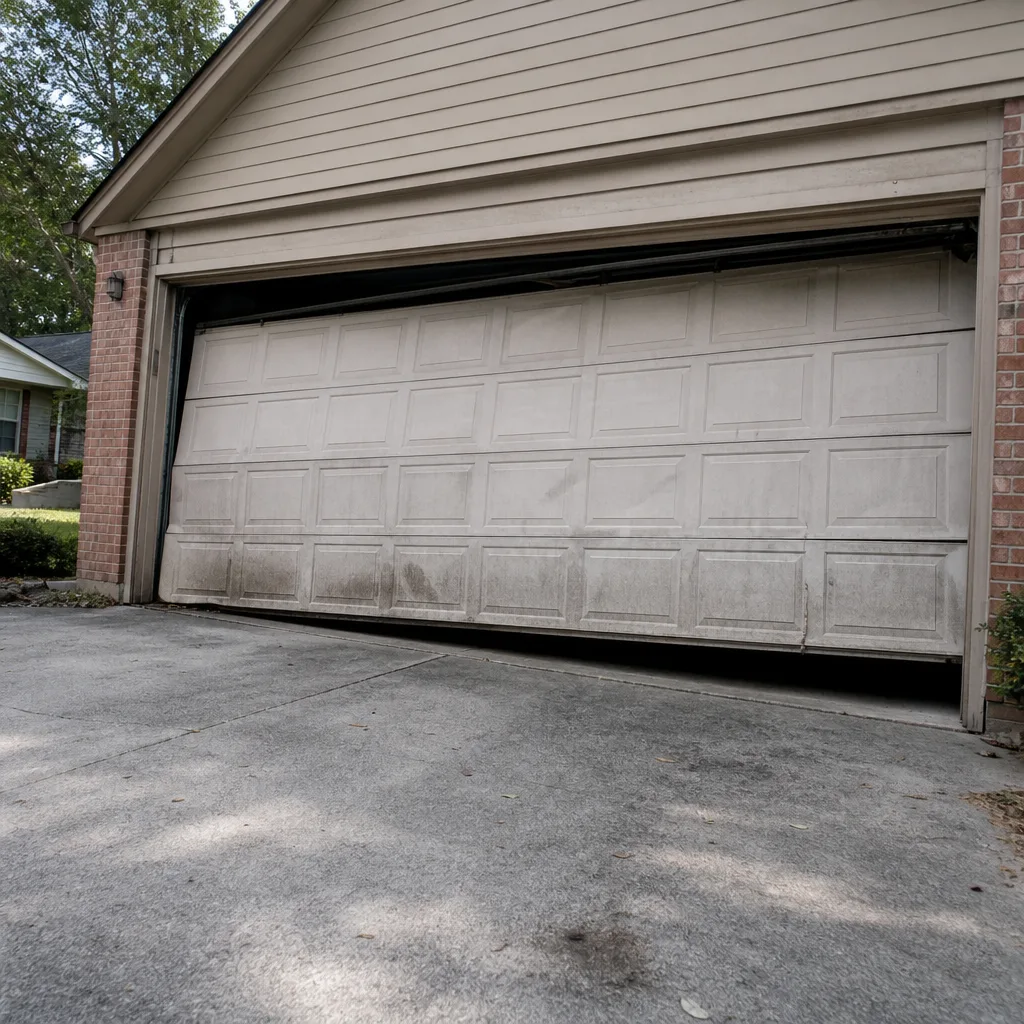 Before
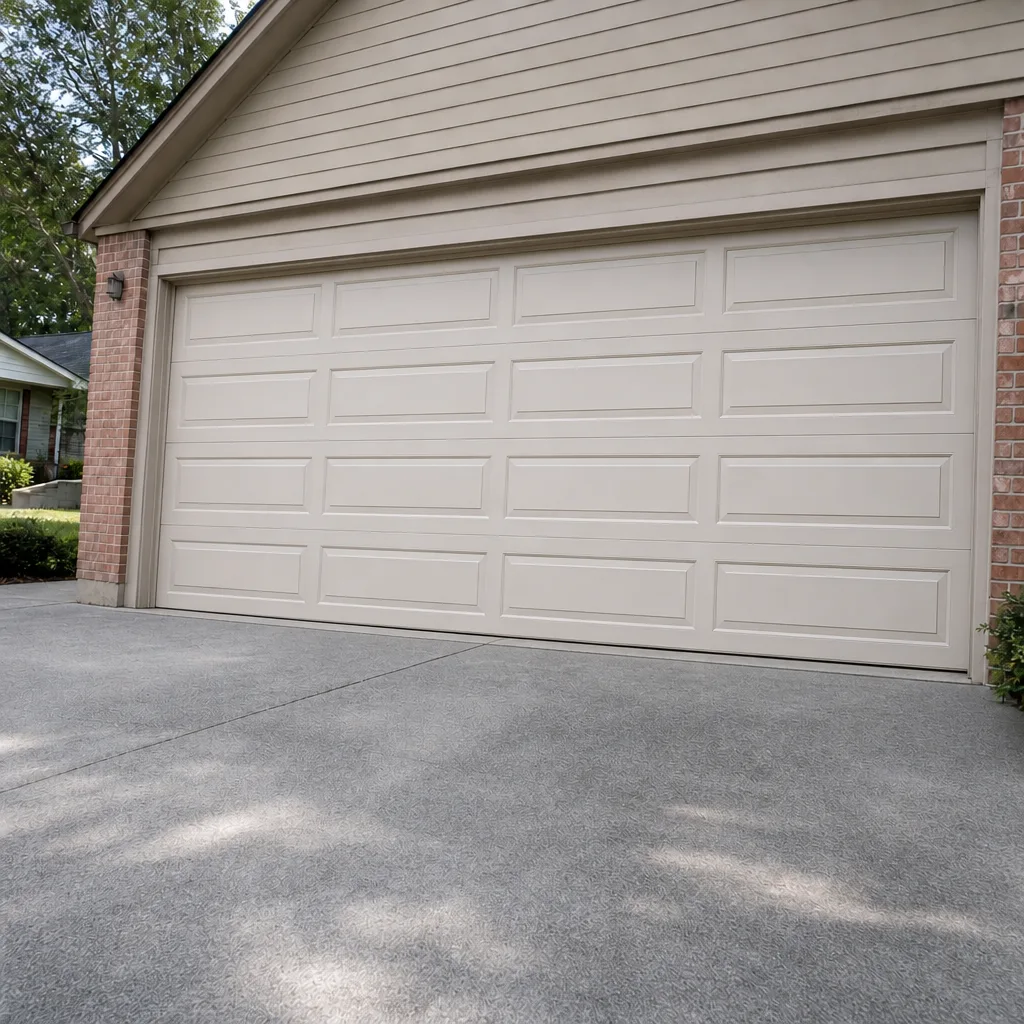 After
When to Call a Professional
Call a specialist if your garage door is out of balance, if the opener won’t reverse on contact, if a spring has broken, if the door is off its track, or if you’re planning an installation and need to know whether a permit is required. Also call if you’re prepping a home for sale and want a technician to run through the safety systems before an inspector does. Our technicians have up to 13 years of experience across the major brands, and we work on the brand already installed on your home rather than steering you toward a full replacement. Zionsville Garage Door Repair Pros offers free estimates in Zionsville and can talk through the permit question before any work is scheduled. When the door won’t move, or when you just want it inspection-ready, the fastest way to a real answer is a call.
Frequently Asked Questions
In most cases, no. A like-for-like replacement into an existing opening of the same dimensions typically doesn’t require a permit in Zionsville, though you should confirm with the Town of Zionsville building department if your situation has any nuance. Cutting a new opening or modifying the structural header does require one. If you’re unsure, call us at (855) 337-1105 for a free estimate and we can help you clarify scope before the job begins.
A replacement swaps out a door into an existing opening without touching the frame or header; a new opening involves cutting into an exterior wall and installing or modifying the structural header above the door. The first is usually cosmetic; the second is structural and almost always requires a permit. That distinction is the single most common source of confusion on garage door permitting in Boone County.
Call the Town of Zionsville building department and ask about retroactive permitting. You’ll typically need a contractor letter, photos of the framing if available, and possibly an engineer’s certification that the header is adequate. The process usually resolves faster than people fear. If you’re selling and want it cleared before the house hits the market, call us at (855) 337-1105 for a free estimate and a technician can inspect the work and help you get the documentation in order.
The two biggest items are the photoelectric safety reversal sensors (aligned, mounted at the correct height, and functional) and the opener’s pressure reversal (set to a compliant down-force, not turned up to mask a binding door). The inspector also checks spring mounting, cable condition, and door balance. A door that won’t stay put when raised halfway is a balance problem that gets flagged.
Yes, in many Zionsville neighborhoods. HOA covenants commonly address door style (raised-panel vs. carriage-house), color (often tied to trim or a specific palette), and window configuration. Check your HOA’s architectural guidelines before ordering. If style is unclear, submit an architectural request and get approval in writing.
The local professionals we connect you with are vetted, licensed as required in their jurisdiction, and carry liability and workers’ comp coverage. We can provide a certificate on request. If you’re hiring for a permit-triggering job, always ask for the license and insurance certificate in writing before the work begins.
The Bottom Line
The permit question comes down to one distinction: replacement versus structural change. Replace a door in the same opening and you’re usually fine in Zionsville. Cut a new opening or touch the header and you need a permit. Indiana code governs opener safety features and spring installations, HOA covenants go further on style and color, and the paperwork trail matters at resale even when the door itself looks fine. If you’re unsure where your job falls, don’t guess. Call the Town of Zionsville building department, and call a specialist who works in this trade every day. The cost of confirming scope up front is nothing compared to closing a permit problem years later.
If your door is out of balance, your opener isn’t reversing, or you’re planning a replacement and want a straight answer on permitting, call Zionsville Garage Door Repair Pros at (855) 337-1105 for a free estimate. Our technicians have up to 13 years of experience, we work on the brand already on your home, and we’ll walk you through the permit question and the job in one conversation. For the full range of services we handle in Zionsville and the surrounding area, start with Zionsville Garage Door Repair Pros.
Written by the team at Zionsville Garage Door Repair Pros.