Last updated November 23, 2026
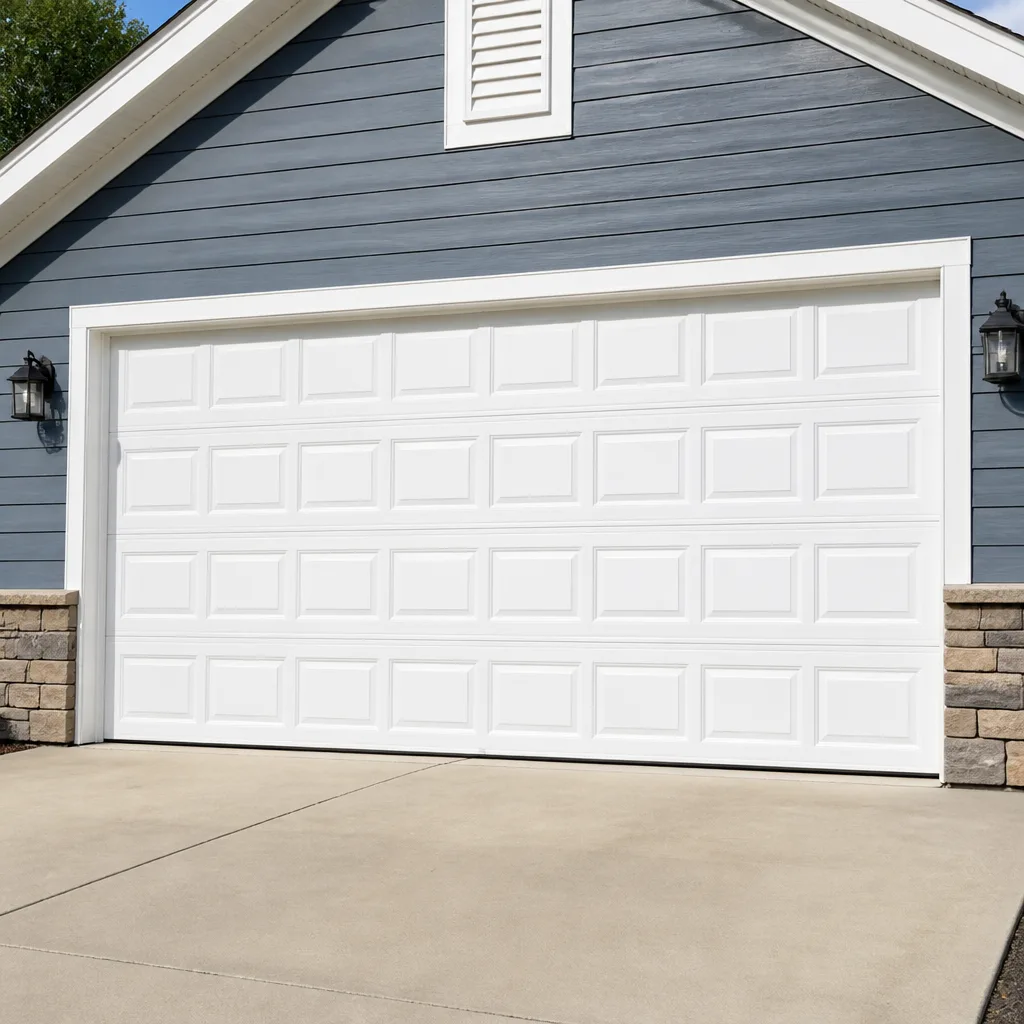 Raised-panel steel
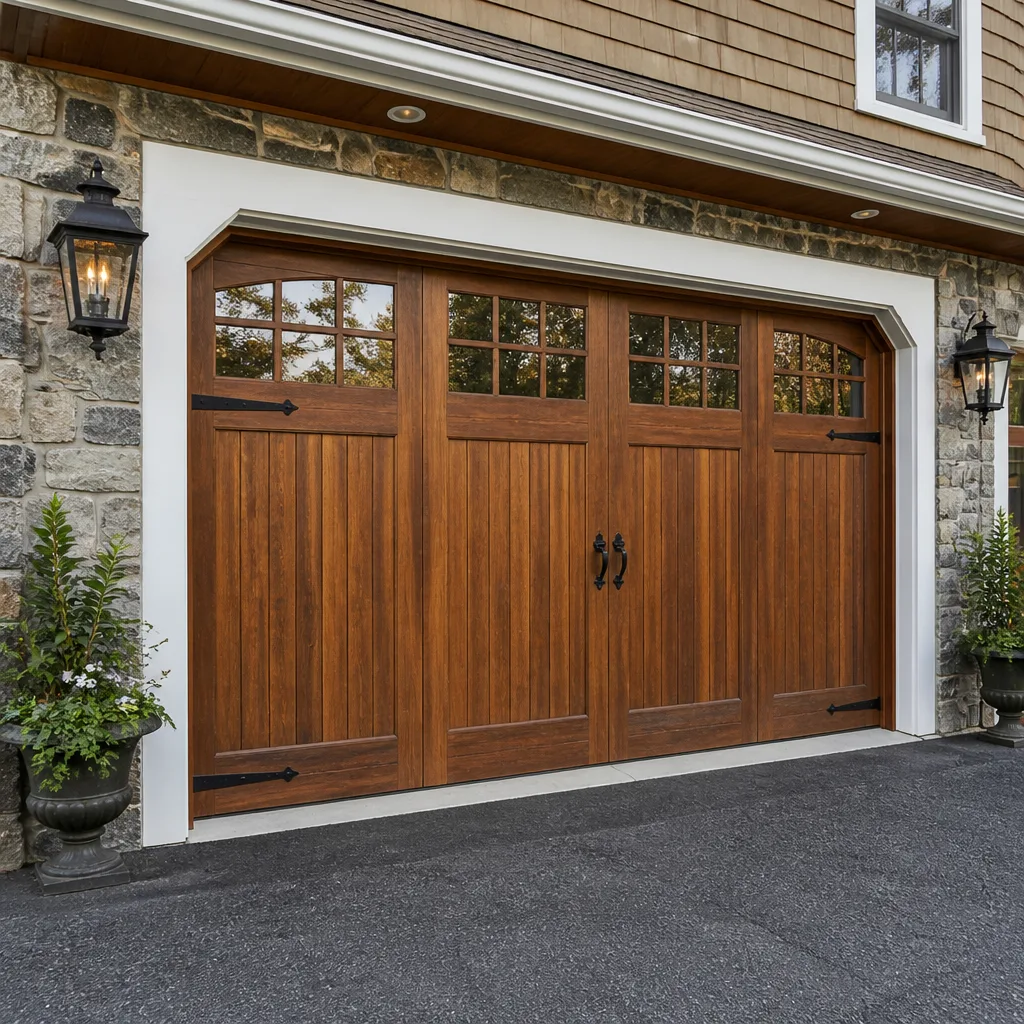 Carriage house
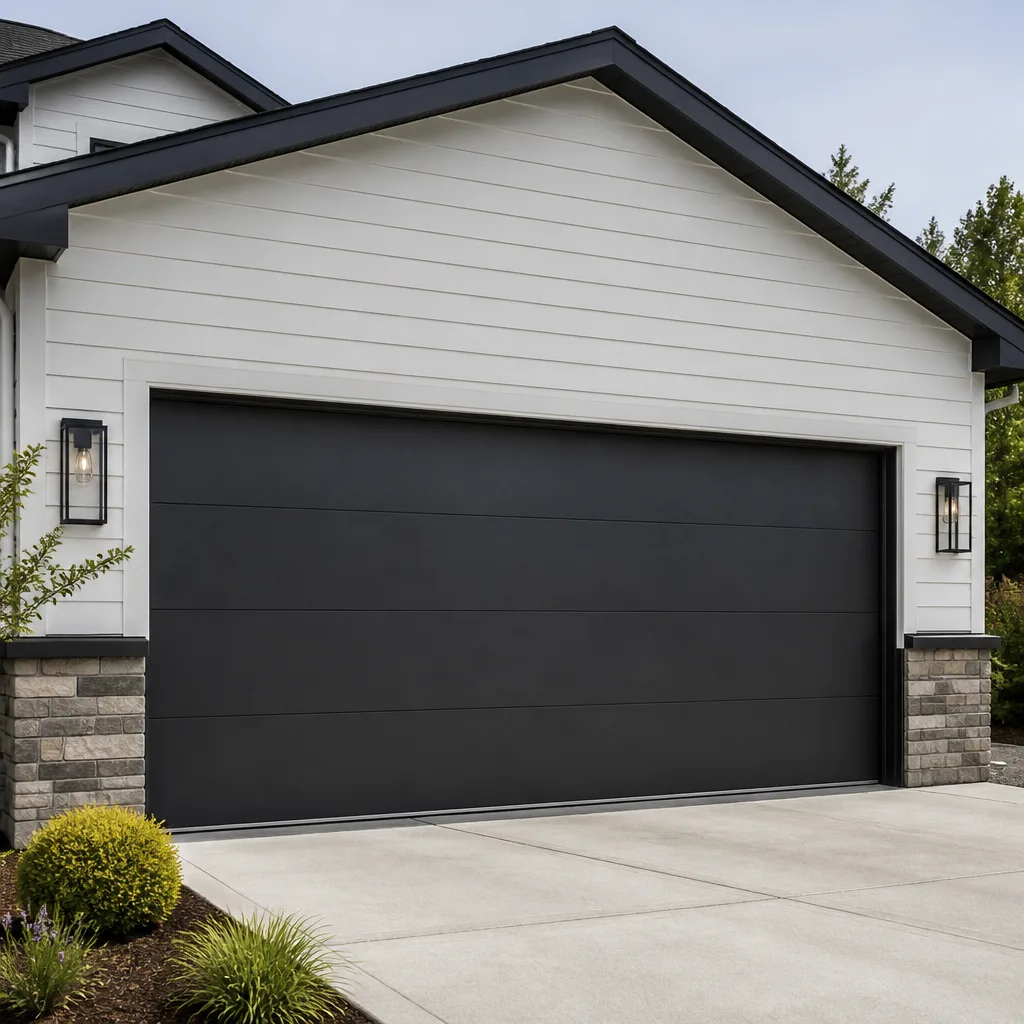 Modern flush
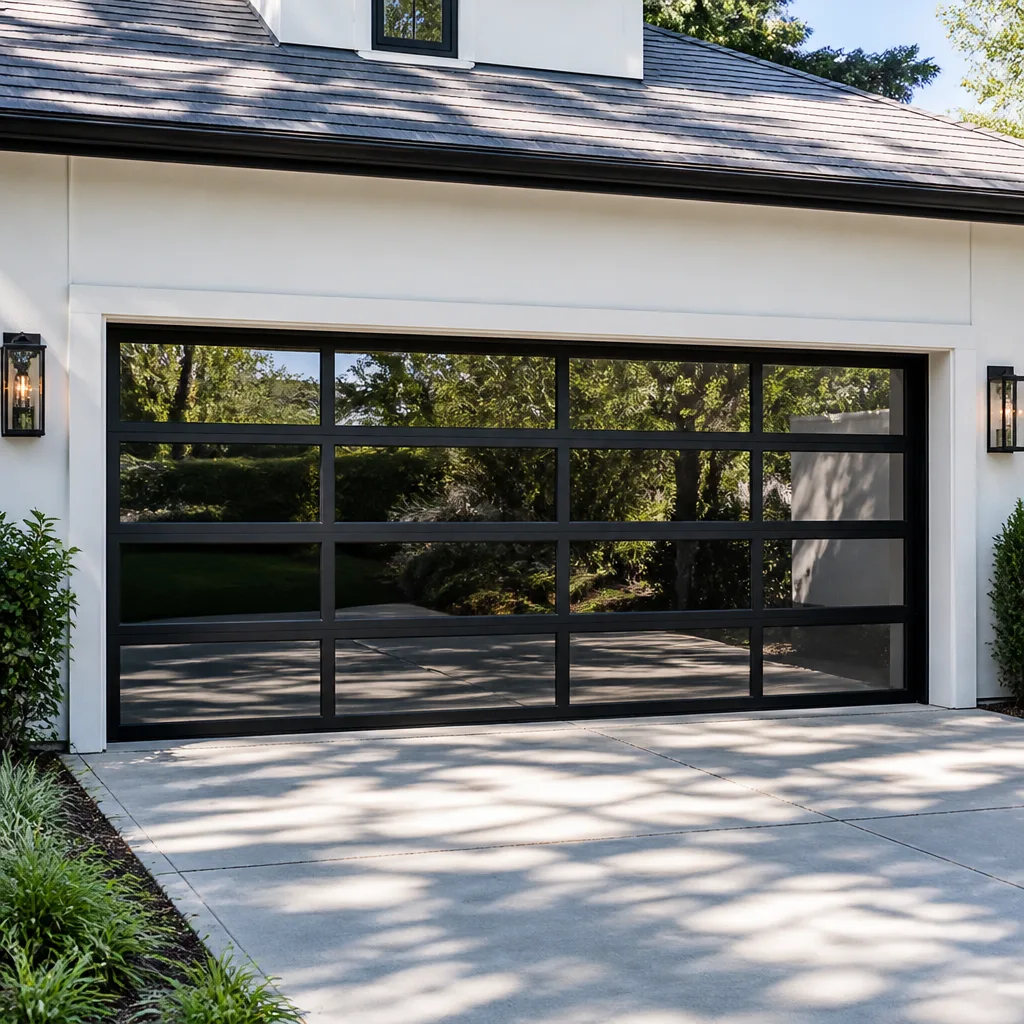 Full-view glass
 LiftMaster openers
 Chamberlain openers
Full 25-point door and opener safety check with every visit - springs, cables, rollers, tracks, and your LiftMaster or Chamberlain opener included
You get a price before we start. It does not change when the pro arrives.
Get your free estimateDIY vs Professional Garage Door: The Zionsville Homeowner’s Decision Guide
Most garage door advice online splits the world into two useless camps: “never touch it, call a pro” or “here’s how to save money with a Saturday project.” Both miss the point. The real question isn’t whether you’re capable. It’s which specific tasks carry injury risk or liability exposure that makes professional involvement non-negotiable, and which tasks any careful homeowner can handle safely. A torsion spring stores roughly 100 foot-pounds of torque when wound. That’s not a warning designed to scare you off your own garage. It’s the specific mechanical reason one item on the list below isn’t a judgment call. This guide gives you the hard line, the safe zone, and the math to decide in Zionsville.
Quick Answer
Homeowners can safely handle lubrication, sensor alignment, weather stripping replacement, and opener remote reprogramming themselves. Torsion spring replacement, cable and drum work, and anything requiring the door to come off its tracks are professional-only jobs because the stored mechanical energy can cause serious injury. For everything in between, a free written estimate from a specialist tells you in minutes whether DIY is a real option or a false economy.
Styles & brands we work with
- Raised-panel steel
- Carriage house
- Modern flush
- Full-view glass
- LiftMaster openers
- Chamberlain openers
Table of Contents
- The Hard Line: Tasks That Are Professional-Only
- The Safe DIY Zone: Four Tasks You Can Do Yourself
- Cost to Attempt vs. Cost to Fix: The Honest Math
- Zionsville Parts and Supply Context
- Warranty and Insurance: What DIY Work Actually Affects
- Zionsville Seasonal Maintenance You Can Do
- Brand Matters More Than You’d Think
- Common Mistakes to Avoid
- When to Call a Professional
The Hard Line: Tasks That Are Professional-Only
Three jobs on a garage door are not DIY projects at any skill level. They’re professional-only for a mechanical reason, not because technicians want to keep the work.
1. Torsion spring replacement. A torsion spring is wound to counterbalance the full weight of the door, which typically runs between 130 and 250 pounds for a standard residential door. When the spring is wound, it holds that force in a coiled length of steel under tension. When a torsion spring fails, it releases that stored energy in a fraction of a second. There is no safe way to wind or unwind one without the proper winding bars and the training to use them correctly. Our technicians treat spring work as its own discipline, which is why we list garage door spring repair as a dedicated service rather than a line item buried in a general repair visit. If you’ve ever heard the sound of a torsion spring letting go, you know why.
2. Cable and drum work. The cables run from the bottom corners of the door to the drums on the torsion tube. They work together, and a cable under tension can snap back with enough force to cause serious injury. Loosening a cable to replace a drum without first safely releasing the spring tension is the classic setup for a bench vise recoiling across the garage floor.
3. Anything that requires removing the door from its tracks. That includes track replacement, panel replacement on doors where the panel is structural, and full door removal. The door becomes an uncontrolled load the moment the rollers leave the tracks, and it weighs more than most homeowners expect.
For all three, the right move is a free measure and a written estimate. We won’t tell you that you’re incapable of holding a wrench. We’ll tell you that the stored energy in these components doesn’t care how capable you are.
The Safe DIY Zone: Four Tasks You Can Do Yourself
These four tasks are genuinely within reach for a careful homeowner with a few basic tools and an hour to spare. None of them involve spring tension, cable tension, or removing the door from its tracks.
Task 1: Lubrication
Wipe down the torsion spring, hinges, rollers, and hinges with a garage-door-specific lubricant. Skip the WD-40 and the motor oil. Lithium grease or a purpose-made garage door spray lasts longer and doesn’t attract grit the way general-purpose oil does.
- Tools: rag, garage-door lubricant, step stool
- Time: 20 to 30 minutes
- Frequency: every six months
Task 2: Safety Sensor Alignment
If the door reverses when nothing is in the way, or refuses to close, the photo-eye sensors near the floor are usually the culprit. Check that both lights on the sensors are steady (not flickering), and that nothing – a stray leaf, a broom handle, a bike tire – is blocking the beam. A small adjustment to the mounting bracket usually fixes it.
Task 3: Weather Stripping Replacement
The bottom rubber seal on the door takes the most abuse. It hardens with age, cracks, and lets in the cold. Replacement is a matter of pulling the old strip out of its channel and pressing in a new one. A helper makes it easier on a wide door, but it’s a one-person job.
Task 4: Opener Remote Reprogramming
Adding or removing a remote to a LiftMaster, Chamberlain, or Genie opener is a matter of pressing the learn button on the opener head and following the sequence in the manual. It takes two minutes and requires no tools.
For everything that falls outside these four, including opener logic board failures and remote range problems that don’t clear up with a fresh battery, professional garage door opener repair is the faster path.
Cost to Attempt vs. Cost to Fix: The Honest Math
DIY garage door repair only saves money when the first attempt succeeds. When it doesn’t, you’re paying twice: once for the parts, once for the professional remediation. Here’s the typical math most homeowners never run before starting.
The Scenario Breakdown
- Torsion spring replacement, professional job: typically $180 to $340 per spring, plus labor. A matched pair is usually replaced together at roughly double that if both have cycled the same number of times. The written estimate sets the final price.
- Torsion spring replacement, attempted DIY: the spring costs $60 to $120 as a part on its own. The winding bars cost $25 to $40. If the door or the tube is damaged during the attempt, add a track replacement or torsion tube replacement on top of the original job. If a person is hurt, the math goes well beyond money.
- Panel replacement, professional job: varies by make and model, quoted per panel.
- Panel replacement, attempted DIY where the door is a Clopay or Amarr: panels ship with specific hinge and roller configurations that don’t swap cleanly with aftermarket panels. A mismatched panel causes binding at the joint, which wears the rollers prematurely. You end up buying the right panel after all.
- Opener logic board replacement, professional job: typically $250 to $450 depending on the model. Attempting the replacement by buying a board from a third-party seller often brings a board that doesn’t match the opener revision, which is where the failure usually comes from.
The Rule of Thumb
If the task requires spring tension, cable tension, or door removal from the tracks, DIY costs more than the professional service even before anything goes wrong. If the task is lubrication, sensor alignment, weather stripping, or remote programming, DIY is genuinely a good call, and we’ll happily tell you so. The gray zone – opener logic boards, remote range failures, off-track doors that are still on the ground – is where a free estimate saves the most time.
Zionsville Parts and Supply Context
A lot of DIY guidance assumes the parts are either at the big-box store down the street or two clicks away on a marketplace. In Zionsville, it’s worth knowing what’s actually available before you plan a Saturday project.
Big-box and hardware sources. The big-box stores along Michigan Road, and the hardware stores in the Village area near Main Street, carry the basics: garage door lubricant, bottom weather seals, roller replacements, and remote batteries. For standard sizes on standard doors, that covers the safe DIY zone almost completely.
Specialty parts. Torsion springs, cable drums, torsion tubes, and matched panels for a specific door are not something you’ll usually find on a shelf in Zionsville. Springs are sized by wire gauge, inside diameter, and length – three measurements that have to match the door’s weight and the drum’s geometry. The big-box store doesn’t stock that variety, and a spring that’s close isn’t close enough. A spring sized wrong for the door will wear out fast or fail under load.
What that means in practice. If you’re doing lubrication, weather stripping, or sensor work, you can finish the job from local stock the same day. If you’re doing anything involving the spring, the cable, or the opener’s internal electronics, the part usually has to be matched to the specific unit, which is a specialist job either way. That’s one of the reasons we work with LiftMaster, Chamberlain, Genie, and Clopay systems: the parts match the unit the homeowner already has.
Zionsville Climate and Your Door
Central Indiana swings hard between seasons. Summers push into the high 80s and low 90s, and winters routinely land in the teens and single digits. That range is hard on garage door components. Bottom weather seals harden and crack faster than they do in milder climates. Lubricant thins in July and stiffens in January, which is why a lubrication routine twice a year beats an annual one. Wood doors expand and contract with the humidity swings and need the bottom edge finish checked more often. None of this changes the DIY vs. pro line, but it does change how often the safe DIY tasks need doing.
Warranty and Insurance: What DIY Work Actually Affects
This is where the DIY decision stops being about skill and starts being about documentation. The insurance and warranty effects are narrower than the internet sometimes suggests, but they’re real.
Manufacturer Warranties
Every opener and door manufacturer’s warranty has exclusions. The two that matter most for DIY work are improper installation and unauthorized modification. If you install an opener yourself and something electrical fails inside it, the manufacturer can and often will ask how it was installed. If a spring fails and the door hardware is home-modified, the door manufacturer’s warranty on the hardware may not cover it. The line isn’t “any DIY voids the warranty.” It’s “work outside the manufacturer’s installation instructions voids it for the parts affected.”
Homeowner’s Insurance
Most homeowner’s policies cover sudden and accidental damage. If a door comes off its tracks and dents a car, that’s usually a claim. If a homeowner improperly removes a torsion spring and damages the door in the process, some policies will still respond under the equipment damage coverage, but a claim becomes a pre-existing condition on the next renewal. That’s the part that costs money long-term.
The Documentation Rule
Any professional service leaves a paper trail: a written estimate, an invoice, a record of what was replaced and by whom. That record is worth something the day you sell the home or the day a warranty question comes up. DIY work leaves a phone photo at best. For the safe DIY tasks in this guide, that’s fine. For anything involving the spring, the cable, or a full door, it matters.
Zionsville Seasonal Maintenance You Can Do
Here’s a maintenance calendar for Zionsville homeowners that keeps the door running and flags small problems before they become big ones. Everything on this list is DIY-appropriate.
- Spring (March and April): Wipe down and lubricate the torsion spring, hinges, and rollers. Check the bottom seal for cracks and replace it if the rubber has hardened. Test the safety sensors by placing a box in the path of the beam and confirming the door reverses.
- Early summer (June): Check the door balance by disconnecting the opener and lifting the door halfway. It should stay in place without help. If it drifts down, the spring tension is off – call a professional. Balance check is the one test that tells you the spring is wearing.
- Late summer (August): Clean the tracks with a rag and a light solvent. Don’t lubricate the tracks themselves; the rollers need to roll, not slide. Lubricate the rollers, not the track.
- Fall (October): Lubricate again. Check the weather seal for gaps at the corners, where the seal meets the frame. Tighten hinge screws. Check that the opener’s safety reversal works by placing a 2×4 on the ground under the door and confirming it reverses on contact.
- Winter (December and January): Watch for the door struggling to close, which often points to stiff grease in the opener rail or a seal that’s frozen to the ground. Clear snow and ice from the seal area if the door lives on a sloped driveway.
This routine costs you about an hour per season and catches most issues before they turn into a no-start morning. For anything beyond it, our garage door repair team handles the parts you can’t safely reach.
Brand Matters More Than You’d Think
A garage door system is brand-specific in ways that matter for the DIY decision. Knowing the make of your door and opener tells you whether the safe DIY tasks are straightforward or whether you’re about to run into a compatibility issue.
LiftMaster and Chamberlain openers use the same learn-button and remote-programming logic, which is why remote programming is a two-minute job on either. Both run on the same MyQ ecosystem, so app connectivity troubleshooting usually comes down to Wi-Fi, not the opener.
Genie openers have their own remote frequencies and a different programming sequence. A Genie remote won’t pair to a Chamberlain opener, and the manual is the only reliable guide.
Clopay and Amarr doors are the two most common residential makes in this area. Panel replacement is brand-specific because the hinge and roller locations differ slightly between makes and models, and a panel that looks close isn’t interchangeable.
What that means for you: if you know the make and model, you can confirm in five minutes whether the part is available locally or has to be matched. We work across eight major brands – LiftMaster, Chamberlain, Genie, Clopay, Amarr, Wayne Dalton, Craftsman, and Raynor – which means we work on the brand you already have, whether or not you bought it here. Full-spectrum Zionsville Garage Door Repair Pros service covers springs, openers, panels, and full replacements, so you’re not calling a second company mid-project.
Common Mistakes to Avoid
- Assuming a torsion spring can be wound “just a little.” A spring is wound in quarter-turn increments with specific tools, and there’s no safe partial-wind method. Twenty years of YouTube tutorials haven’t changed that.
- Lubricating the tracks. The tracks aren’t supposed to be slippery. The rollers need to roll along them. Greasing the tracks causes the door to slide and bind, and it’s one of the most common mistakes we correct.
- Using WD-40 as garage door lubricant. It’s a solvent, not a long-term lubricant. It thins out fast and attracts grit. Indiana’s humidity swings mean the door needs a proper lithium or silicone-based spray twice a year.
- Replacing a single spring when the pair is worn. A matched pair of torsion springs is sized to carry the door’s weight together. Replacing one means the other carries the load alone and fails quickly. Replace the pair.
- Adjusting the opener’s force limits to fix a binding door. When the door binds, the opener’s force dial is not the fix. Increasing the force setting masks the problem and lets the opener strain against a mechanical issue. Find the bind instead.
- Assuming the “close enough” panel will fit. Clopay and Amarr panels ship with model-specific hinge and roller locations. A panel from a different model will bind at the joint.
- Doing the balance check with the opener connected. The balance test only tells you something when the door is disconnected from the opener. Connected, the opener is doing the work, and a failing spring looks fine.
When to Call a Professional
Call a professional if any of the following is true: the door won’t open or close at all; the door is off its tracks or hanging unevenly; you hear a loud snap and can see a separated torsion spring; the door’s balance check fails; the opener runs but the door doesn’t move; the safety sensors won’t stay aligned after adjustment; or you’re planning to replace a panel, a spring, a cable, or the entire door.
Our specialists work garage doors only – springs, openers, panels, and full replacements. Our technicians have up to 13 years of experience, and every job starts with a written estimate you approve before any work begins. The price is quoted and agreed before we touch the door, and the written estimate sets the final price. Zionsville Garage Door Repair Pros offers free estimates in Zionsville, and if the door won’t move and it can’t wait, we offer emergency service for urgent failures. Call (855) 337-1105.
See the difference
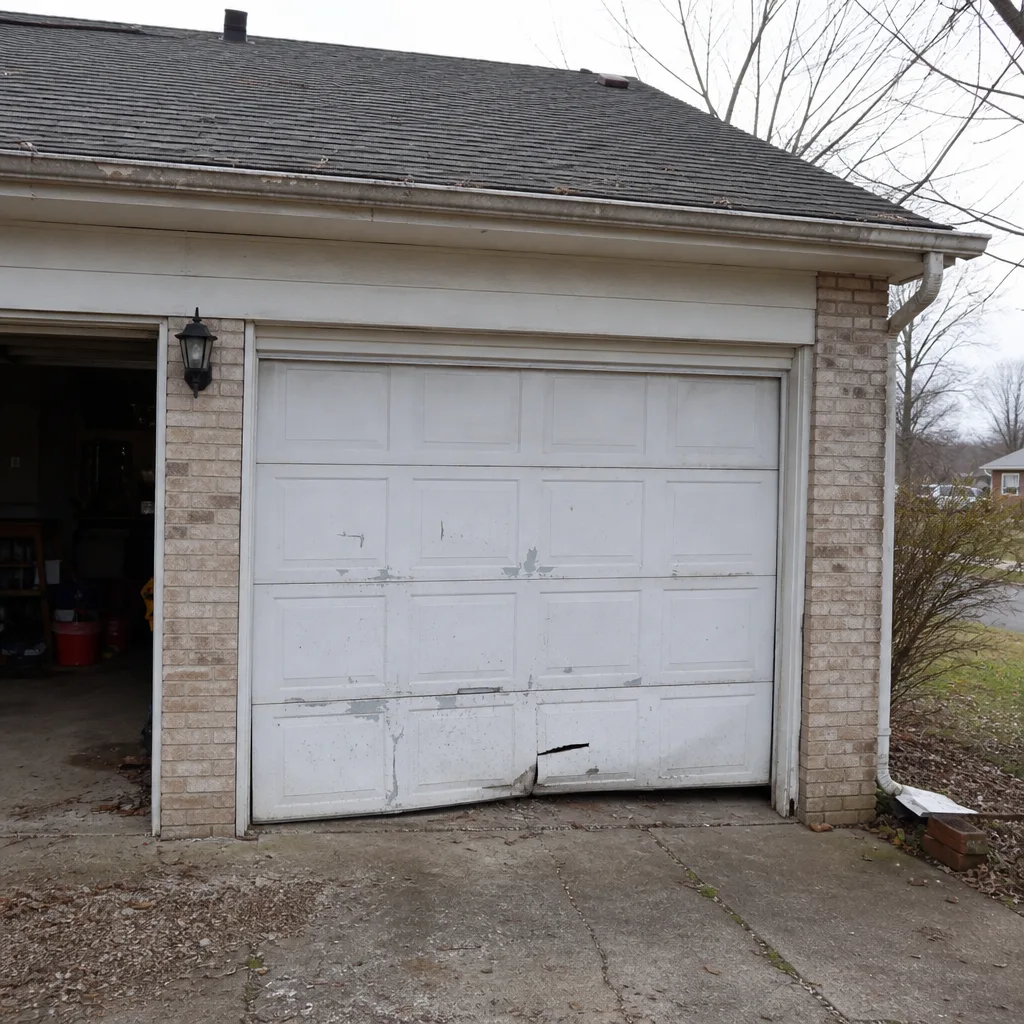 Before
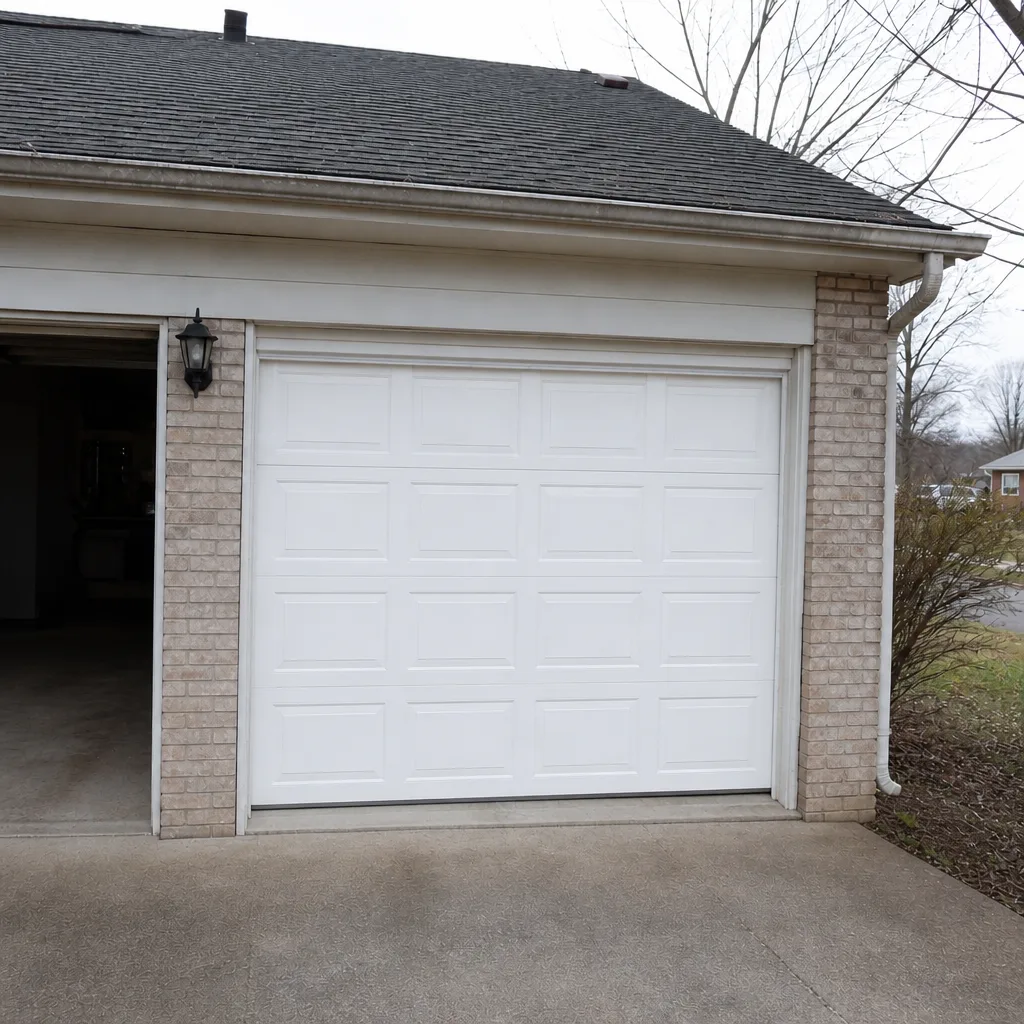 After
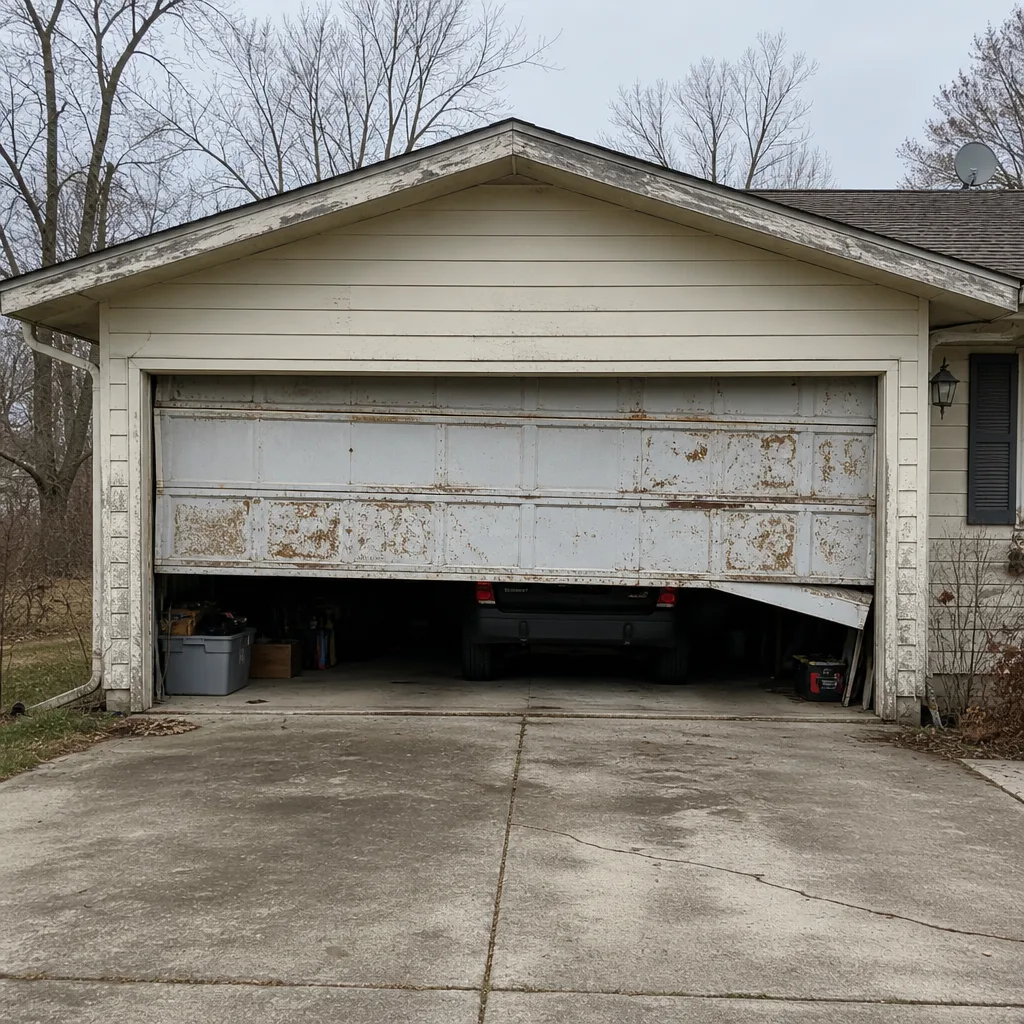 Before
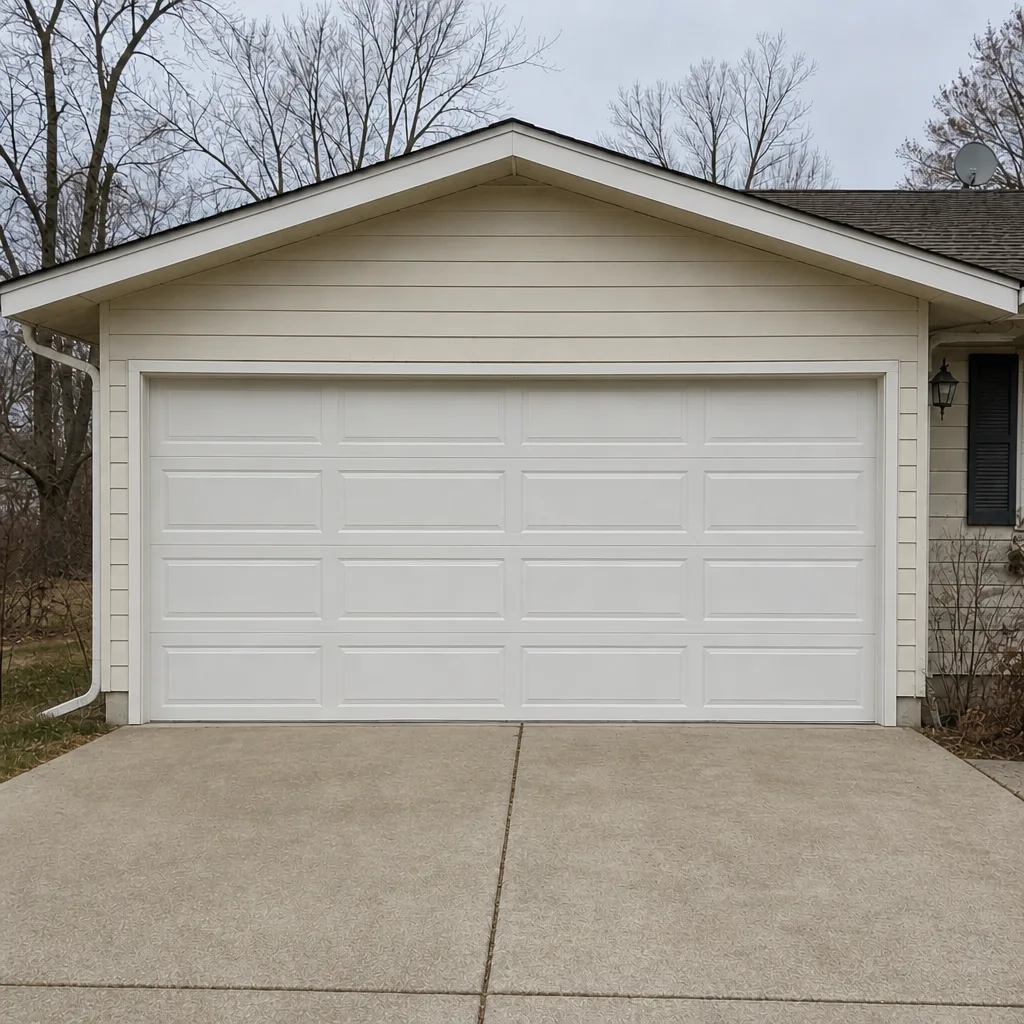 After
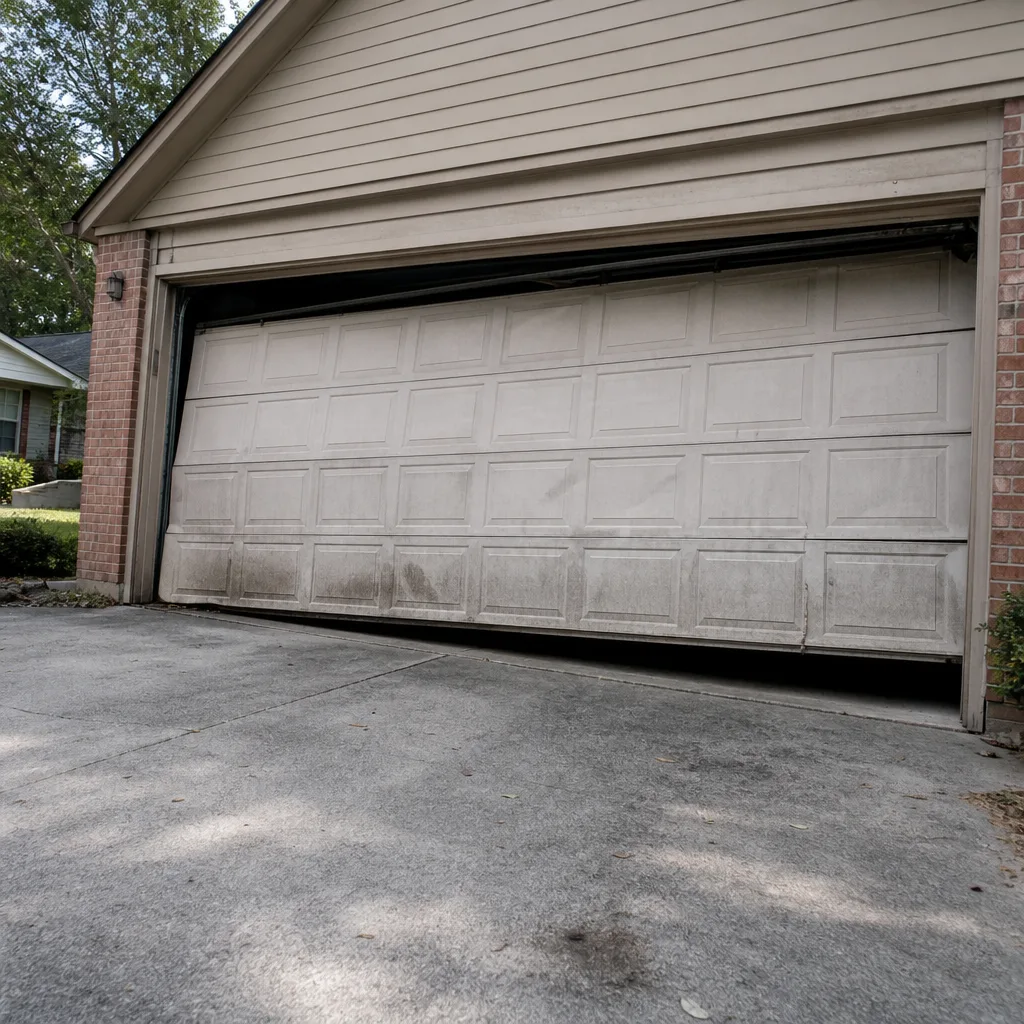 Before
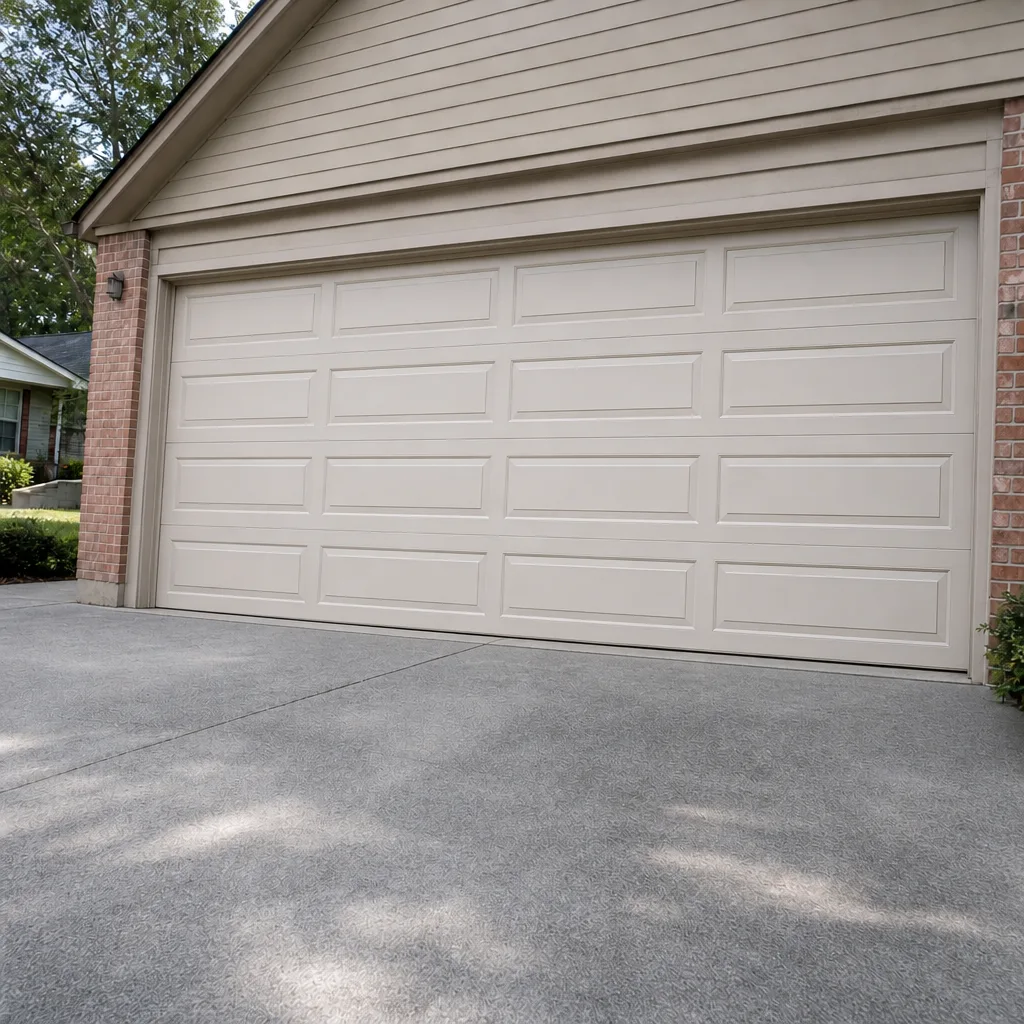 After
Frequently Asked Questions
No. A torsion spring stores roughly 100 foot-pounds of torque when wound, and releasing that energy without controlled tools and training can cause serious injury. Professional spring replacement in Zionsville typically runs $180 to $340 per spring, with a matched pair usually replaced together at about double that. The safety margin isn’t worth the cost savings. Call (855) 337-1105 for a free estimate.
Yes. Sensor alignment is a safe DIY task. Check that both sensor lights are steady rather than flickering, clear any debris from the beam path, and adjust the mounting brackets if needed. If the door still reverses on its own after adjustment, the issue is probably in the wiring or the opener, and that’s when to call. Call (855) 337-1105 for a free estimate.
Only if the work falls outside the manufacturer’s installation or maintenance instructions. Lubrication, weather stripping, and remote reprogramming don’t affect warranty coverage. Spring replacement, cable work, and door removal done without proper tools and documentation can void warranty coverage on the parts affected. Call (855) 337-1105 to confirm what’s covered on your specific system.
Typically $180 to $340 per spring, and a matched pair is usually replaced together at roughly double that. The written estimate sets the final price, and it’s quoted before any work starts. We won’t surprise you with a bigger number after the door is apart. Call (855) 337-1105 – estimates are free.
Big-box stores along Michigan Road and hardware stores in the Village area carry lubricant, weather seals, rollers, and batteries. Specialty parts like torsion springs, cable drums, and matched panels for a specific Clopay or Amarr door usually have to be matched to the exact model, which is a specialist job. Call (855) 337-1105 if you need help identifying the part.
Most cities require a permit for a full door replacement, though the rule varies by jurisdiction. Ask the Zionsville building department directly before scheduling a replacement, and ask the same question if you’re doing the work yourself. Installation is a measured, ordered, and scheduled job, not a same-day repair, so plan for the timeline. Call (855) 337-1105 for a free measure and a written price.
The Bottom Line
The DIY vs. professional question for garage doors isn’t a test of your skill. It’s a question of which tasks involve stored mechanical energy or structural load, and which don’t. Lubrication, sensor alignment, weather stripping, and remote reprogramming are genuinely safe DIY jobs, and doing them well in Zionsville’s climate saves real money. Torsion spring replacement, cable and drum work, and any job that removes the door from its tracks are professional-only, not because of difficulty but because of the specific mechanical forces involved. For the gray zone in between, the fastest answer is a free written estimate. Prices are quoted and agreed before any work begins, and the written estimate sets the final price.
Zionsville Garage Door Repair Pros specializes in garage doors only – springs, openers, panels, installation, and emergency service when it can’t wait. Our technicians have up to 13 years of experience and work on the brand you already have. For a free estimate in Zionsville, call (855) 337-1105.
Written by the team at Zionsville Garage Door Repair Pros.