Last updated November 23, 2026
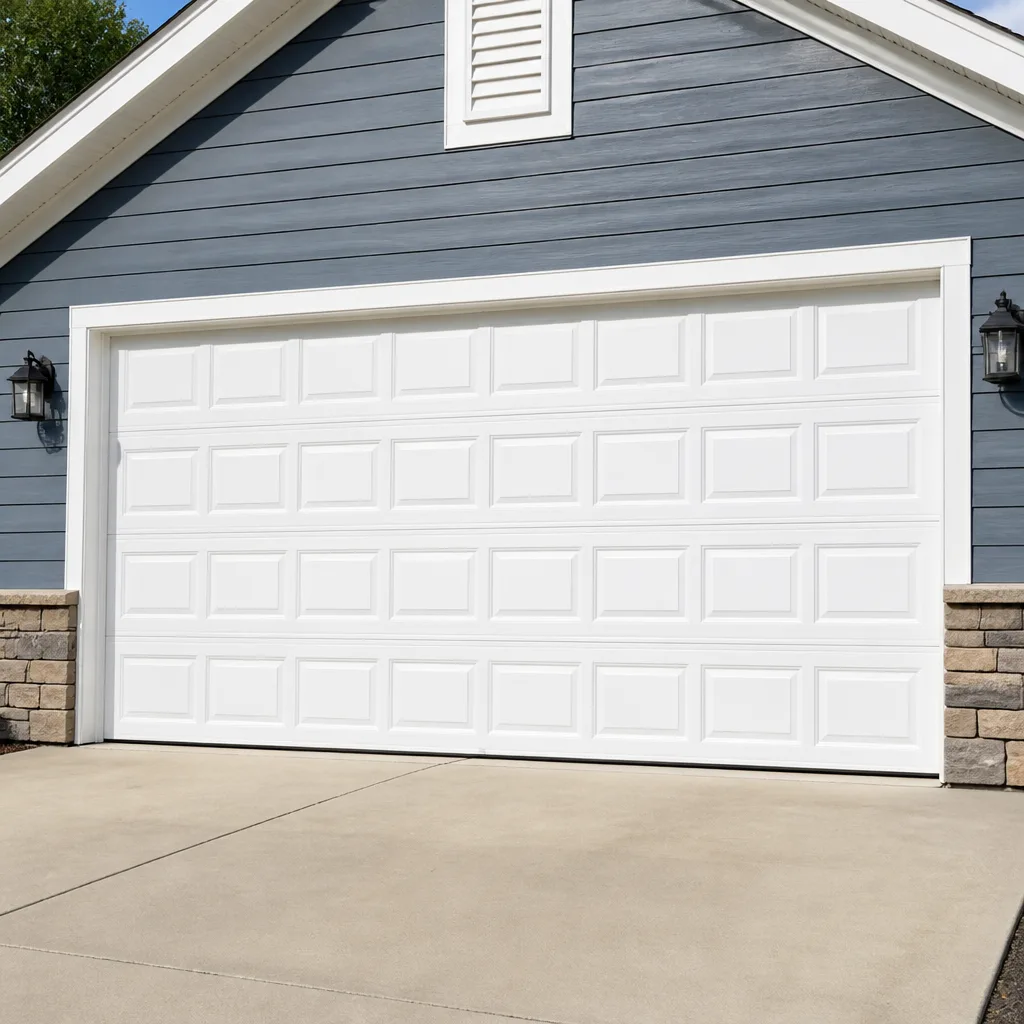 Raised-panel steel
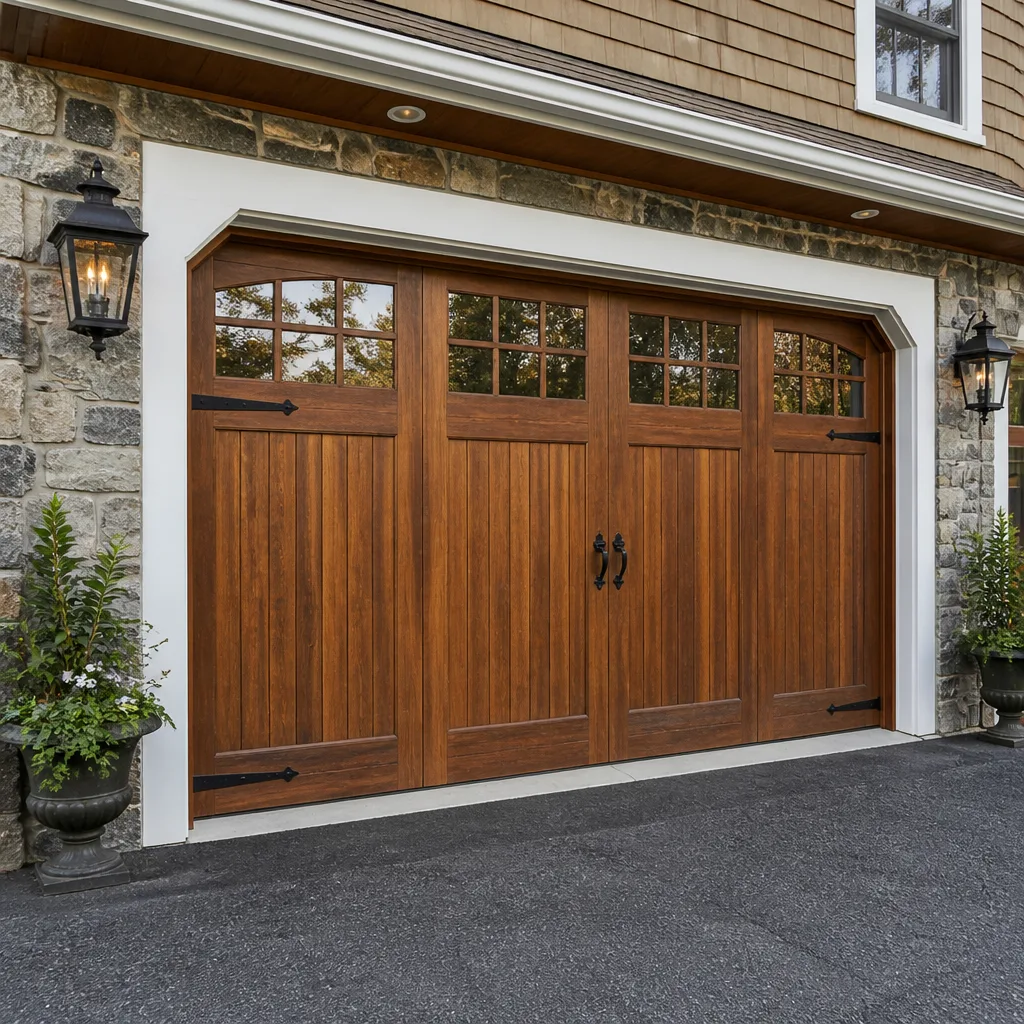 Carriage house
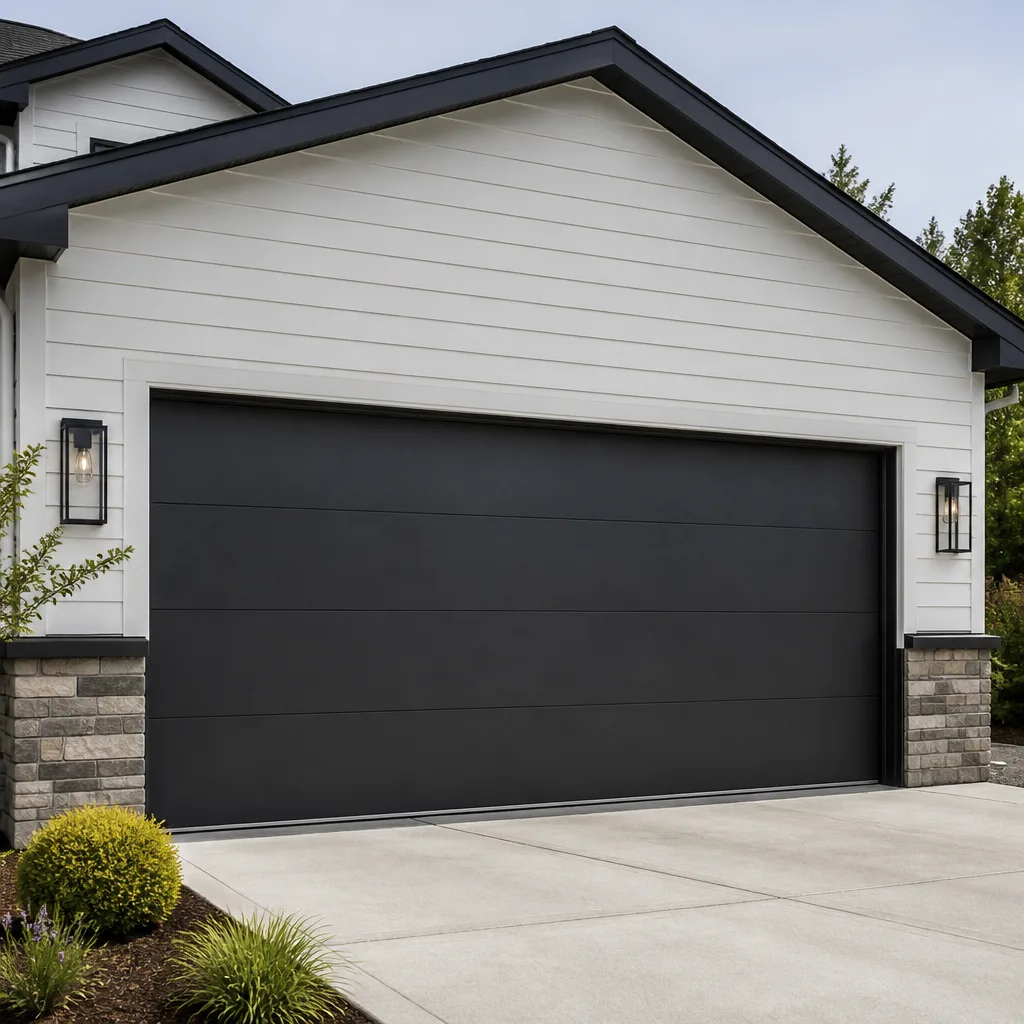 Modern flush
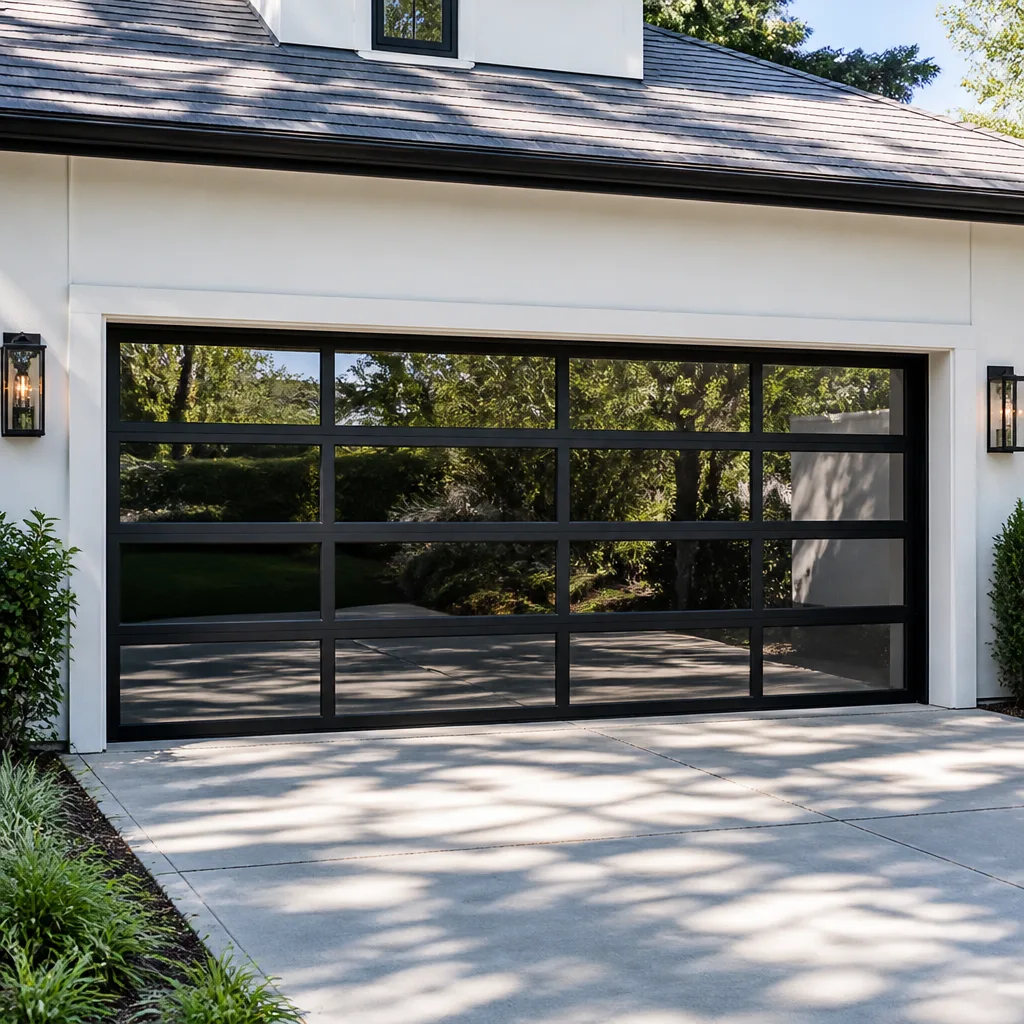 Full-view glass
 LiftMaster openers
 Chamberlain openers
Full 25-point door and opener safety check with every visit - springs, cables, rollers, tracks, and your LiftMaster or Chamberlain opener included
You get a price before we start. It does not change when the pro arrives.
Get your free estimateGarage Door Warning Signs: A Zionsville Homeowner’s Reference Guide
When a homeowner calls and says their door is “making a noise,” that tells us almost nothing. A grinding sound during travel and a grinding sound at the top of the cycle point to completely different failures, and the difference matters when you’re deciding whether to keep using the door or park the car outside. Most garage door guides list the same warning signs everyone already knows: it’s loud, it’s slow, it shakes. This one decodes them. Each sound, movement, and visual cue below maps to the mechanical component that’s actually failing, so when you call for service in Zionsville you can describe the problem accurately instead of guessing.
Quick Answer
Garage door warning signs fall into four groups: unusual sounds (grinding, squealing, popping, banging), unusual movement (slow ascent with fast descent, jerking, uneven travel), visual wear (frayed cables, spring gaps, worn rollers), and opener behavior (delays, reversing, running without moving). Grinding means metal-on-metal contact, popping usually means a spring problem, and a door that rises slowly but drops fast points to tension imbalance. Any sign involving a broken spring or a loose cable is a stop-using-it-today situation.
Styles & brands we work with
- Raised-panel steel
- Carriage house
- Modern flush
- Full-view glass
- LiftMaster openers
- Chamberlain openers
Table of Contents
- What Each Garage Door Sound Tells You
- Movement Red Flags and What They Decode To
- Visual Inspection: Cables, Springs, and Rollers
- Opener Behavior Signals Explained
- Monitor for a Month or Stop Using the Door Today?
- How Zionsville Weather Affects Your Door’s Wear
- Seasonal Checks Zionsville Homeowners Can Do Safely
- Common Mistakes to Avoid
What Each Garage Door Sound Tells You
Sound is the earliest warning your door gives, and it’s the most misread. Homeowners tend to lump everything into “it’s getting loud,” but the pitch, timing, and location of a noise narrow the cause down fast. Here’s how we sort them.
- Grinding during travel. Metal scraping on metal. Usually a roller that has lost its bearing and is dragging in the track, or a bent track section the roller is fighting. If the grinding only happens in one spot along the door’s path, it’s positional, and the track or the roller at that height is the suspect.
- Grinding at the top of the cycle. Different problem. This is often the opener’s drive gear or the trolley assembly, because that’s the moment the opener carries the most load. It can also be the door hitting a travel limit that’s set slightly wrong, so the motor keeps pushing after the door has stopped.
- Squealing or high-pitched whining. A lubrication and friction signal. Dry rollers, dry hinges, or a torsion tube that’s lost its grease. Squealing is the least urgent sound on this list, but ignoring it accelerates wear on everything around it.
- Popping or a loud snap. This one gets our attention. A pop during operation frequently means a torsion spring is losing tension or a section of the spring has failed. If you hear a bang and the door suddenly feels very heavy or won’t lift, stop using it.
- Banging or slamming. The door is hitting the floor harder than it should. Usually a travel limit or force setting on the opener, sometimes a worn bottom seal or a misadjusted close position. Banging also stresses the panels and the opener’s gears over time.
- Rattling. Loose hinge bolts, loose track brackets, or a panel that’s worked itself loose. Rarely dangerous on its own, but rattling is how a loose fastener announces itself before it becomes a bigger problem.
In our experience, the single most useful thing you can tell a technician is when the noise happens, not just what it sounds like. “It grinds about halfway up” is worth more than “it’s loud.” A garage door repair visit starts with that description, because it tells us which components to inspect first.
Movement Red Flags and What They Decode To
Watch your door through one full open-and-close cycle and you’ll learn a lot. The most telling pattern is asymmetry: a door that’s slow on the way up but fast on the way down. That’s not random. The garage door system uses spring tension to counterbalance the door’s weight, and the opener only supplies a fraction of the lifting force. Springs carry most of it.
When the door rises slowly and drops quickly, the springs aren’t doing their share on the way up and gravity is winning on the way down. That points to a tension imbalance: springs that have lost their set, an incorrect spring for the door’s weight, or a torsion setup that’s out of adjustment. Left alone, the opener works harder than it was built to, and you start getting opener failures on top of the spring problem.
Other movement patterns worth noting
- Jerking or stuttering during travel. A roller binding in the track, a track that’s out of alignment, or a torsion tube with one side tighter than the other. If the door jerks at the same point every time, look at the track at that height.
- Door drifts down a few inches after closing. The springs aren’t holding their share of the load. This is a tension or spring-set issue, not an opener issue.
- One side of the door lifts before the other. The door is racking. Usually a cable problem or uneven spring tension, and it puts stress on the panels and tracks.
- Door won’t stay up when you release the opener. A serious sign. A properly balanced door should hold roughly where you leave it. If it drops, the counterbalance system has failed, and that’s a spring or cable issue.
- Door slams down faster than it rises. Inadequate spring tension again, and the opener’s force setting may be masking it. Never increase the force setting to compensate; that just hides the real problem.
One useful check: disconnect the opener and lift the door by hand. A balanced door moves with modest effort and stays put when you let go halfway up. If it feels like you’re lifting a car hood with no struts, the springs are the problem. Don’t repeat this test if the door feels dangerously heavy, and never attempt to adjust springs yourself.
Visual Inspection: Cables, Springs, and Rollers
You can learn a lot from a flashlight and a few minutes, without touching anything. The key is knowing what early-stage wear looks like, because most failures announce themselves visually before they fail mechanically.
Cables
Look at both vertical cables on the sides of the door. A healthy cable is tightly wound, uniform, and straight. Early wear shows up as:
- Individual strands that look frayed or fish-hooked, especially near the bottom drum or the cable’s end fittings.
- A cable that’s slack when the door is up, or has jumped off its drum.
- Rust spotting on the cable, which weakens the strands over time.
- Cables that look uneven between the two sides, a sign the tension is mismatched.
A frayed or slack cable is a stop-using-the-door sign. Cables are under enormous tension, and a failing cable can whip when it lets go. Keep hands and face clear, and call for service rather than investigating further.
Springs
Torsion springs mount on the shaft above the door; extension springs run along the horizontal tracks on each side. Check for a visible gap or separation in the coil, which means the spring has failed. Look for rust, which shortens spring life, and listen for a spring that looks intact but doesn’t hold the door’s weight.
Springs are the most dangerous component on the whole door. They store enough energy to cause serious injury, and adjusting them requires specific tools and knowledge. We treat spring work as its own discipline, and it’s why we offer garage door spring repair as a dedicated service. One more thing worth knowing: springs are usually replaced in matched pairs, since two springs of the same age wear out together. If you’re pricing a repair, ask whether the quote covers one spring or both.
Rollers
Rollers should spin freely in the track. Look for flat spots, cracks in the roller wheel, or a roller that’s visibly dragging instead of rolling. Nylon rollers wear quieter but can crack; steel rollers last longer but get noisy when dry. A worn roller is a cheap fix that prevents track and panel damage if you catch it early.
Panels and tracks
Walk the door and look at the panel seams. A gap or a panel that’s out of line suggests the door has been hit or has racked. Tracks should be straight and evenly spaced; a dent or bend in the track will wear the rollers that pass through it.
Opener Behavior Signals Explained
The opener is the part homeowners see fail most visibly, but a lot of what looks like opener trouble is really the door. Here’s how to tell them apart. We repair every major opener brand, including LiftMaster, Chamberlain, Genie, and Craftsman, so we see these patterns across all of them.
The opener delays before responding
A short delay can be a wall control or remote signal issue, weak batteries, or a logic board that’s slow to process. If the door responds to the wall button but not the remote, the remote or its receiver is the suspect. If it delays no matter what you press, the opener’s control board is the likely cause. Modern openers with battery backup or Wi-Fi modules can also introduce quirks during their startup.
The door reverses unexpectedly
Openers are built to reverse when they meet resistance, which is a safety feature. If your door goes down partway and then goes back up, look at two things first: the safety sensors near the floor, and whether anything is obstructing the door’s path. If the sensors are aligned and the path is clear, the problem may be the opener’s force setting or a worn door component the opener is reading as resistance. A door that reverses on the way up often has a binding track or a roller issue.
The opener runs but the door doesn’t move
Three common causes. The trolley may be disconnected from the door (many openers have a manual release for exactly this). The drive gear or belt may have failed. Or the door is seized for another reason, and the opener is spinning without being able to lift it. If the opener hums but nothing moves, stop pressing the button; running a seized opener risks burning out the motor.
Opener runs, door moves a few inches, then stops
This is usually a travel limit or force setting issue, but it can also mean the door has become too heavy for the opener because the springs have failed. Before you call about the opener, check whether the door is heavy by hand (carefully). If it is, the springs are the real problem, and the opener is just reporting it. Our garage door opener repair starts with that distinction so we fix the right thing.
Monitor for a Month or Stop Using the Door Today?
This is the question every homeowner actually wants answered, so here’s the criteria we use.
Monitor for a month (schedule service when convenient)
- Intermittent squealing that quiets down after a cycle.
- A single slightly noisy roller, while the door otherwise moves smoothly.
- A remote that sometimes needs two presses.
- Rattling that you can trace to a loose hinge or track bracket that isn’t affecting movement.
- Cosmetic rust on a panel or a worn bottom seal.
Schedule service soon (days, not weeks)
- A door that consistently reverses on its own.
- An opener that runs but doesn’t move the door.
- A door that jerks or binds at the same point every cycle.
- A grinding noise that’s getting louder.
- One side of the door lifting before the other.
Stop using the door today
- A loud bang followed by a door that won’t lift, or feels very heavy.
- A visible gap or separation in a torsion spring.
- A frayed, slack, or off-drum cable.
- A door that hangs unevenly or one side that won’t stay in the track.
- Any sign the door is racking or panel seams are separating.
When in doubt, err on the side of stopping. A door in one of the last group’s situations should not be operated, even once, “just to see.” Manual operation of a door with a failed spring or cable is exactly when injuries happen. Emergency garage door service exists for these situations, and a door that’s stuck open is also a security problem, so don’t leave it that way longer than necessary.
How Zionsville Weather Affects Your Door’s Wear
Zionsville sits in central Indiana, which means real seasons: humid summers, cold winters with freeze-thaw cycles, and enough temperature swing in spring and fall that the door expands and contracts repeatedly. That cycle is what does most of the damage over time.
Cold weather makes metal contract and lubricants thicken. Springs that were fine in September can feel stiff in January, and the opener works harder to lift a cold, stiff door. Ice and snow at the bottom of the door can jam the bottom seal and cause the door to reverse or bind. In summer, heat and humidity work on the paint and the panel seams, and wooden doors in particular need attention to seals and finish.
The practical result is that spring and cable problems often surface at the first cold snap, and track alignment issues show up in spring as the ground settles. If you’re in Zionsville, the seasonal transition is the best time to look for the warning signs above, because that’s when new noises and new movement quirks tend to appear. Homes on the north side of town, where the garage door is in shade more of the day, tend to hold ice and condensation longer on the door surface, which is worth remembering when you’re checking seals and cables in winter.
Seasonal Checks Zionsville Homeowners Can Do Safely
There’s a short list of checks that are safe for anyone to do, and a longer list that should be left to a technician. Here’s the safe list, in order.
- Listen once a month. Run the door and note any new sound. Compare against the sound chart above.
- Watch the full cycle. Look for jerking, uneven travel, and a fast drop. Don’t stand under the door while it moves.
- Test the safety reverse. With the door open, place a small object in the door’s path and press close. The door should reverse. If it doesn’t, stop and call for service; this is a safety feature, not a convenience.
- Check the balance by hand. Disconnect the opener, lift the door to about halfway, and let go. It should stay roughly where you left it. If it drops or feels extremely heavy, the springs are the issue. Don’t repeat this check.
- Inspect cables and springs visually, from a distance. Look for fraying, gaps, rust. Never touch a spring or a cable while the door is under tension.
- Keep the tracks clear and the hardware snug. Remove debris from the tracks, and check that hinge and bracket fasteners aren’t visibly loose. Hand-tightening a loose hinge bolt is reasonable; anything involving springs, cables, or track alignment is not.
- Lubricate moving parts per the opener and door manufacturer’s guidance. A dry roller or hinge is the easiest warning sign to fix before it becomes a bigger problem.
Everything beyond that list (spring adjustment, cable replacement, track realignment, opener force and limit settings) is technician work. It protects you and it protects the door.
Common Mistakes to Avoid
- Increasing the opener’s force setting to compensate for a heavy door. The door is heavy because the springs aren’t doing their job. Raising the force setting doesn’t fix the springs; it wears out the opener and can make the door less safe when it meets resistance.
- Treating a loud door as “normal.” A door that’s gotten noisier over a few months is wearing out. The noise is the symptom of friction, and friction is what destroys rollers, tracks, and panels.
- Ignoring one noisy roller until it damages the track. A worn roller is one of the cheapest parts on the door. A damaged track and the alignment work that follows is not.
- Assuming every problem is an opener problem. If the door is heavy or uneven, the opener is reporting a door failure. Replacing the opener without addressing the springs just burns through the new opener.
- Touching springs or cables to “check” them. These parts store and release energy, and they can fail suddenly. Visual inspection from a distance is enough. Never put your hands near a spring or cable under tension.
- Using a door with a broken spring “just once.” The opener will try to lift a door it can’t, which can damage the opener or drop the door. Leave it closed and call.
- Not mentioning the brand when you call. Tell us the door brand and opener model if you know it. We service LiftMaster, Chamberlain, Genie, Clopay, Amarr, Wayne Dalton, Craftsman, and Raynor, so chances are we know your system, and the brand can point straight to the right fix.
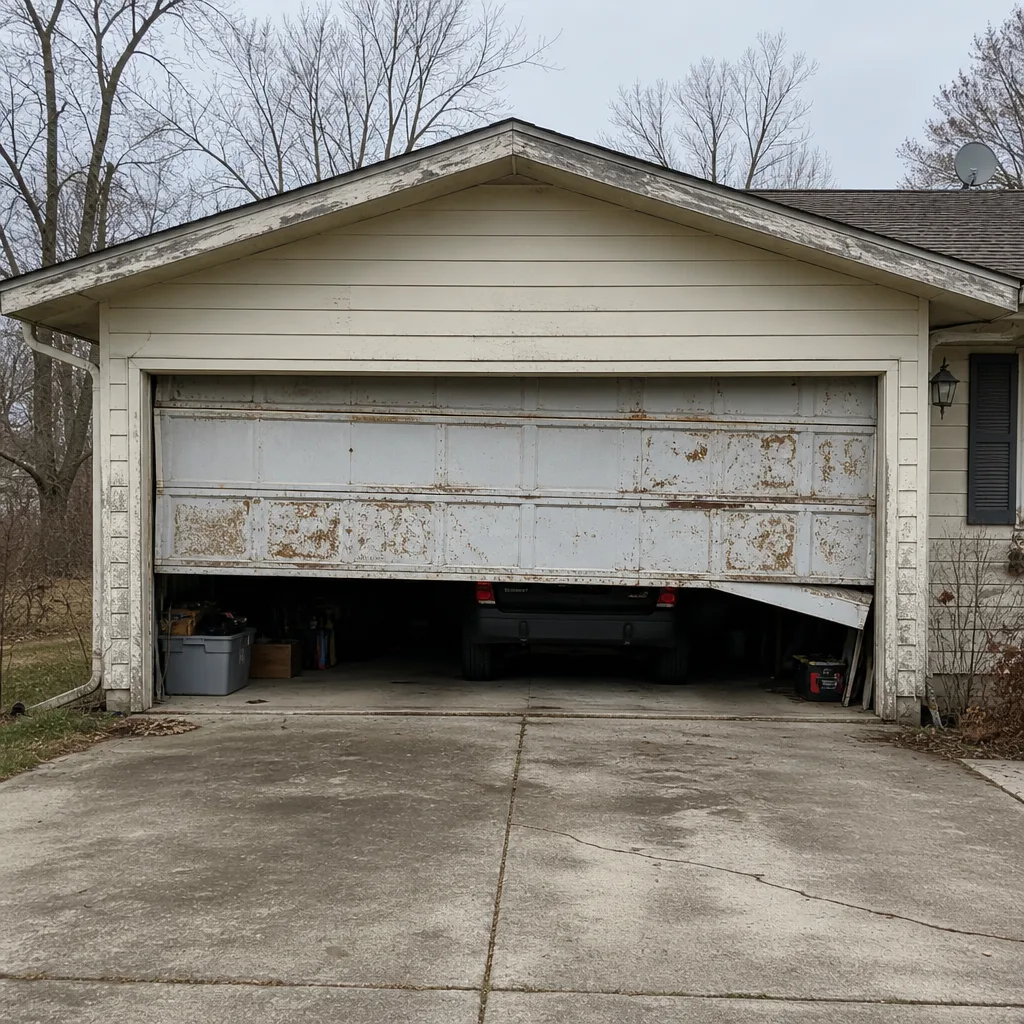
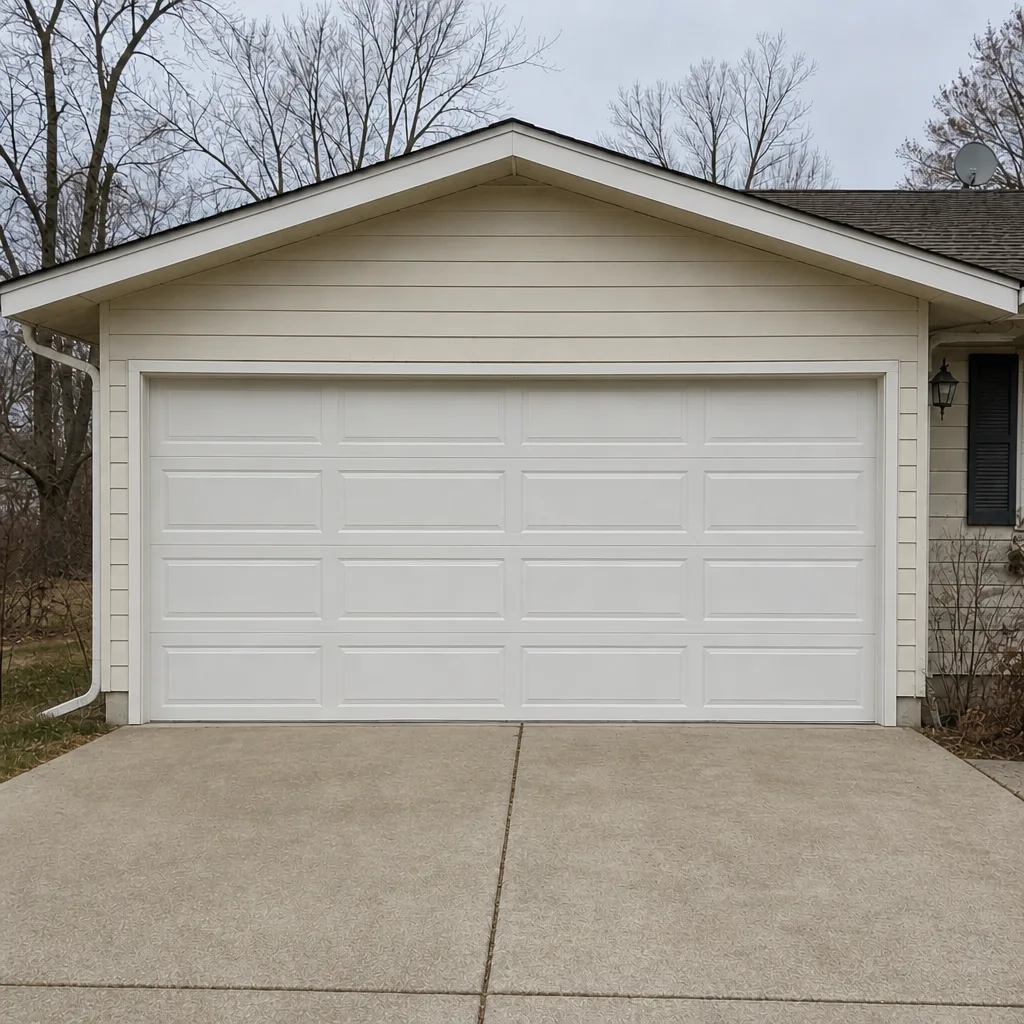
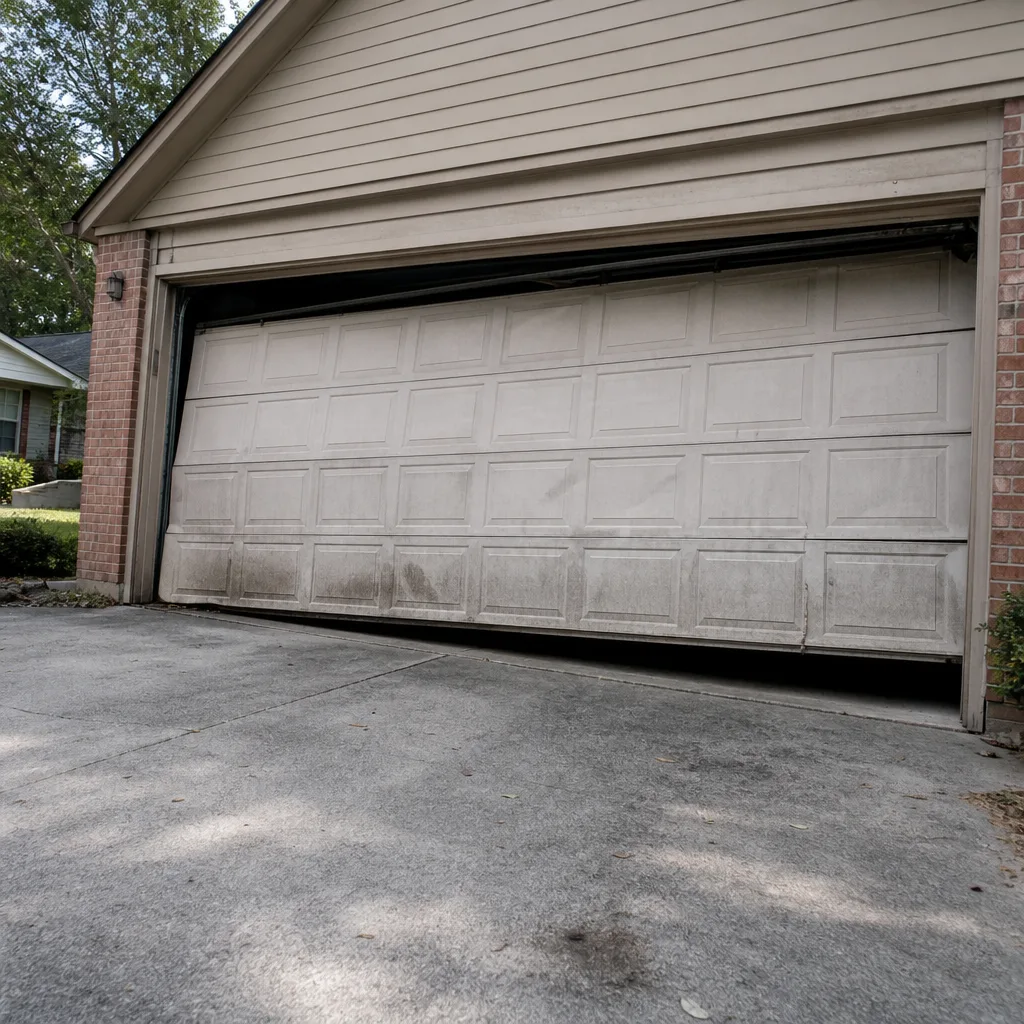
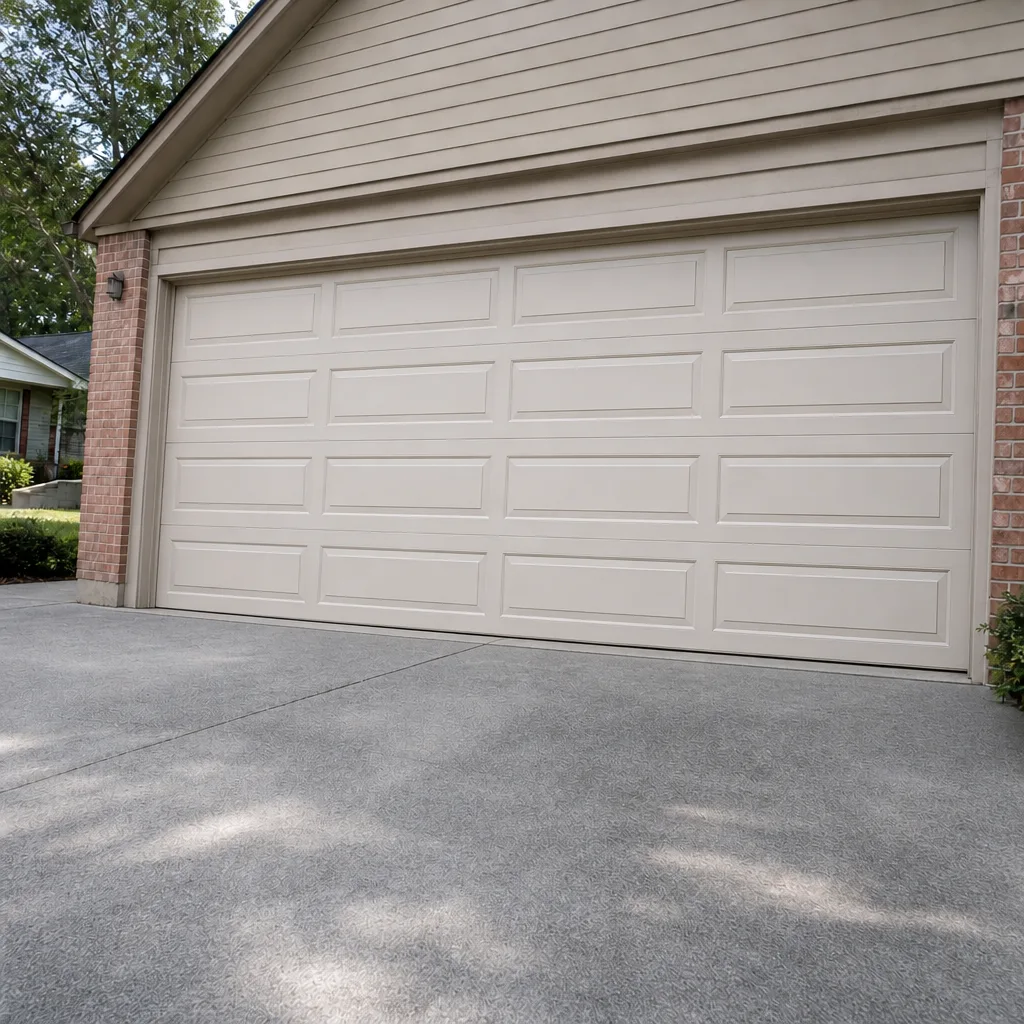
See the difference
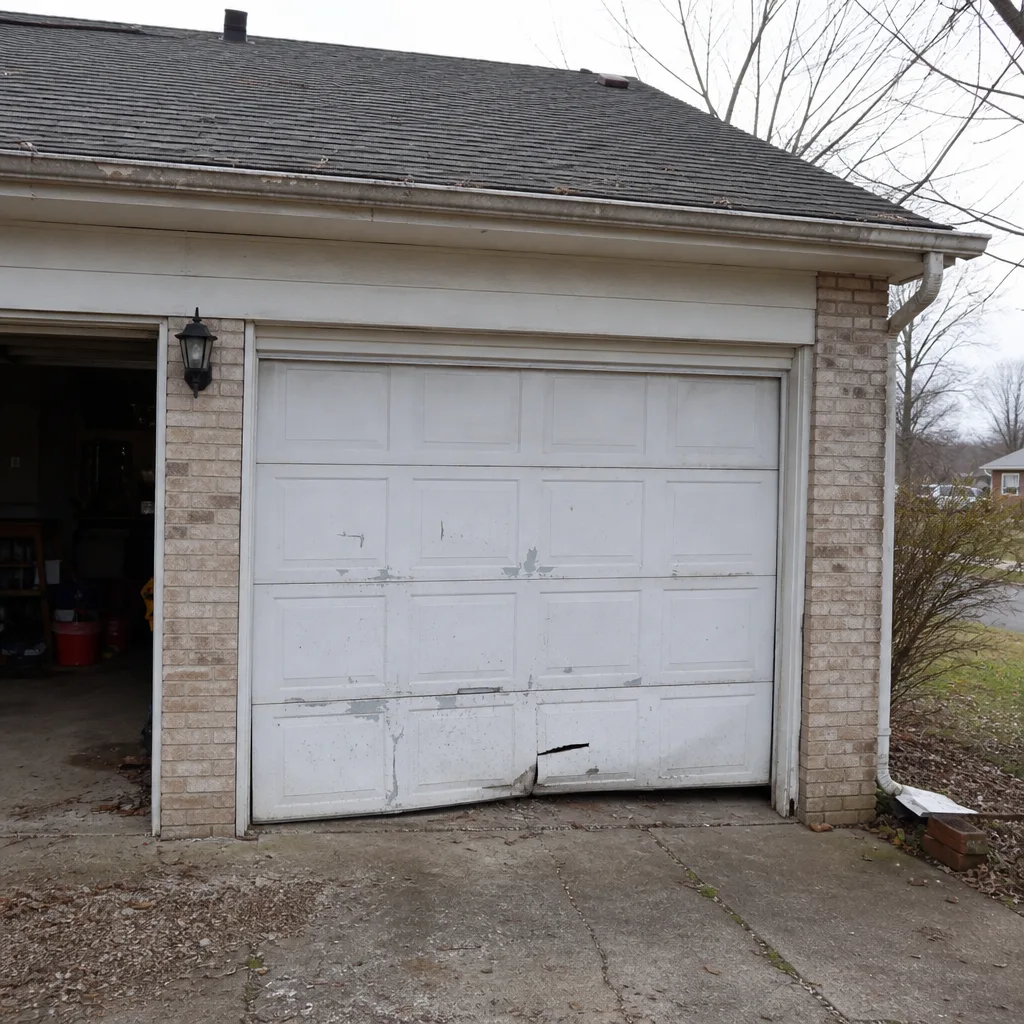 Before
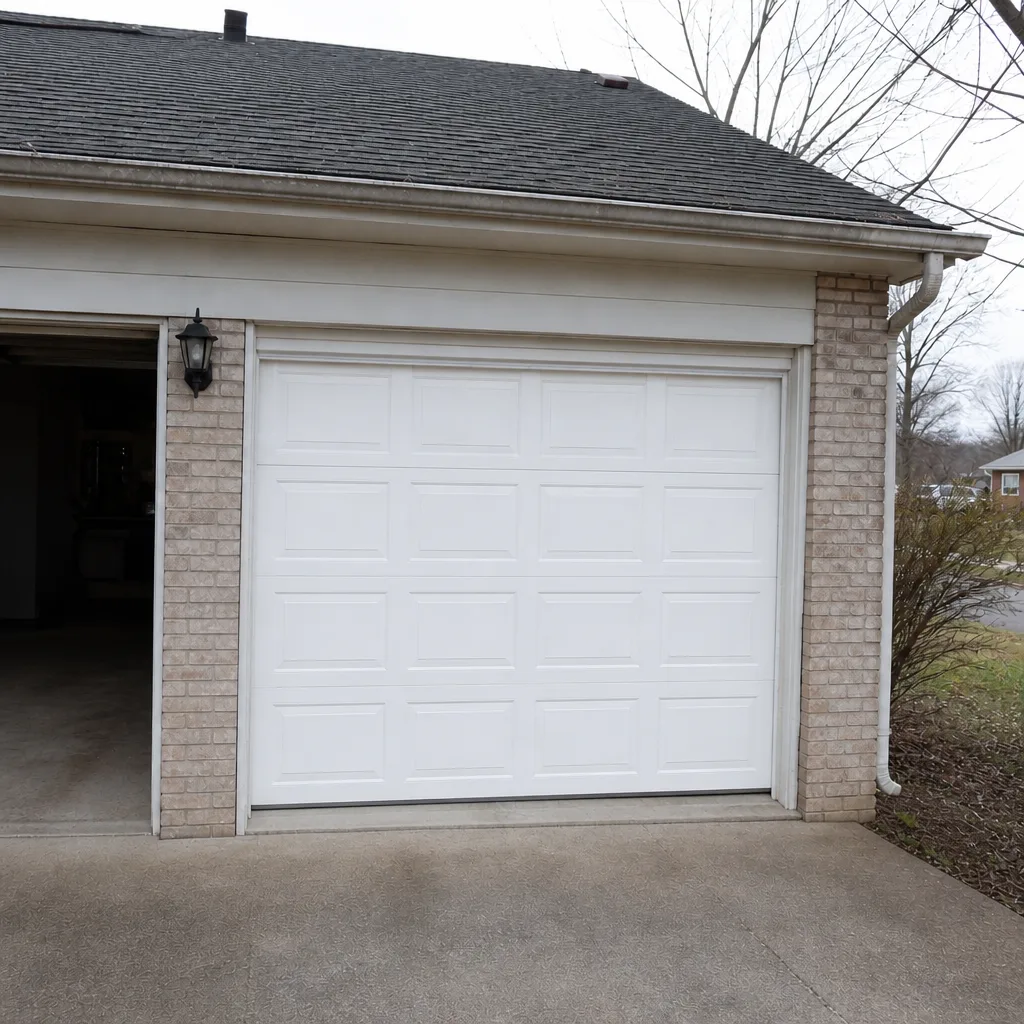 After
 Before
 After
 Before
 After
When to Call a Professional
Call when you see any sign from the “stop using the door today” list: a broken spring, a frayed or slack cable, a door that hangs unevenly, or a loud bang followed by a door that won’t lift. Call soon if the door reverses on its own, jerks at the same point every cycle, or the opener runs without moving the door. And call if you’re simply not sure. Describing what you hear and see is enough for a trained technician to tell you whether it’s a maintain-it-later problem or a stop-now problem. Zionsville Garage Door Repair Pros offers free estimates in Zionsville, so call (855) 337-1105 and describe the sound, the timing, and the brand; that’s more useful than a guess, and it’s the fastest path to the right repair.
Frequently Asked Questions
The most common signs are new or increasing noise during travel, a door that moves unevenly or drops faster than it rises, a visible gap or rust in the springs, and an opener that delays or reverses on its own. Grinding and popping are the two sounds we get called about most. If you hear a pop followed by a heavy door, stop using the door and call.
Grinding itself is usually not immediately dangerous, but it signals metal-on-metal wear that gets worse. A grinding roller will eventually damage the track. Grinding at the top of the cycle often means the opener’s drive gear is failing. It’s worth a service call before the damage spreads. Call (855) 337-1105 for an exact quote; estimates are free.
It almost always means a tension imbalance: the springs aren’t carrying enough of the door’s weight on the way up. A properly balanced door should move at a similar speed in both directions. Don’t increase the opener’s force setting to compensate; have the springs checked instead.
No, and this is the one warning sign we never recommend a do-it-yourself approach for. Springs store enough energy to cause serious injury, and adjusting them without the right tools is genuinely dangerous. This is technician work. A broken spring is also a stop-using-the-door situation. Call (855) 337-1105 and we’ll take it from there.
Test the door’s balance by hand with the opener disconnected. If the door is heavy or drops on its own, the door’s springs or cables are the problem, and the opener is only reporting it. If the door is balanced but the opener still misbehaves, the opener is the suspect. When in doubt, describe both behaviors to a technician.
The vertical cable and the roller brackets are worth a visual check, but the part to watch is the cable itself. Fraying, slack, or a cable that’s left its drum is a stop-using-the-door sign. Leave cable work to a technician.
The Bottom Line
Every warning sign your garage door gives has a mechanical cause, and the better you can describe it, the faster and more accurately it gets fixed. Grinding during travel and grinding at the top of the cycle aren’t the same problem. Slow up and fast down means tension imbalance, not an opener failure. A gap in a spring or a frayed cable means stop using the door, today. Squealing, a single noisy roller, or a remote that needs two presses can wait a month. In Zionsville, the seasonal change is the best time to do a full-cycle check, because that’s when new sounds and movement quirks show up. None of it is guesswork once you know what to look for, and none of it is a do-it-yourself job when it involves springs or cables.
If you’ve spotted any of these signs, we’re here to help. We work on the brand you already have, whether that’s LiftMaster, Chamberlain, Genie, Clopay, Amarr, Wayne Dalton, Craftsman, or Raynor, and we cover the full life of the door: Zionsville Garage Door Repair Pros handles repair, opener repair, spring repair, and full new-door installation. Call (855) 337-1105 for a free estimate and tell us what you’re hearing. Springs, openers, panels, and full replacements are all part of the job.
Written by the team at Zionsville Garage Door Repair Pros.