Last updated November 23, 2026
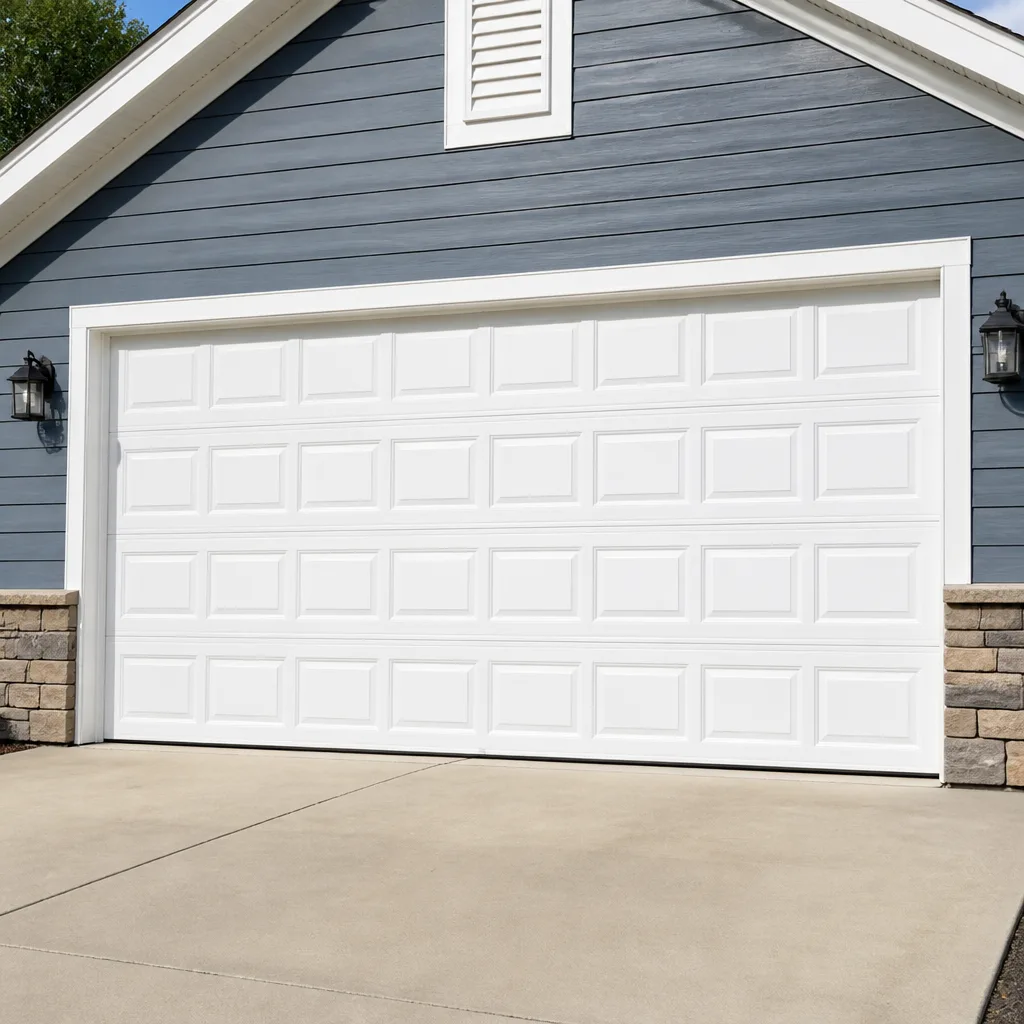 Raised-panel steel
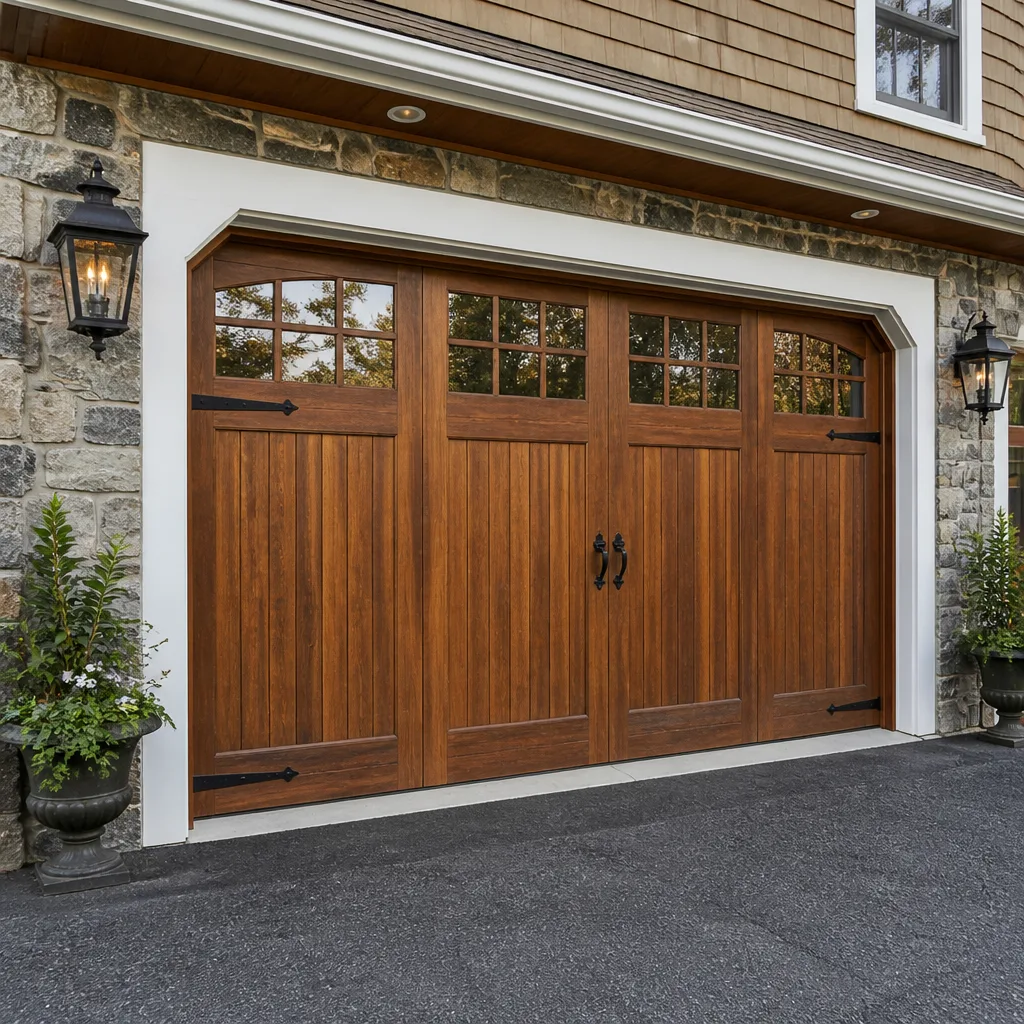 Carriage house
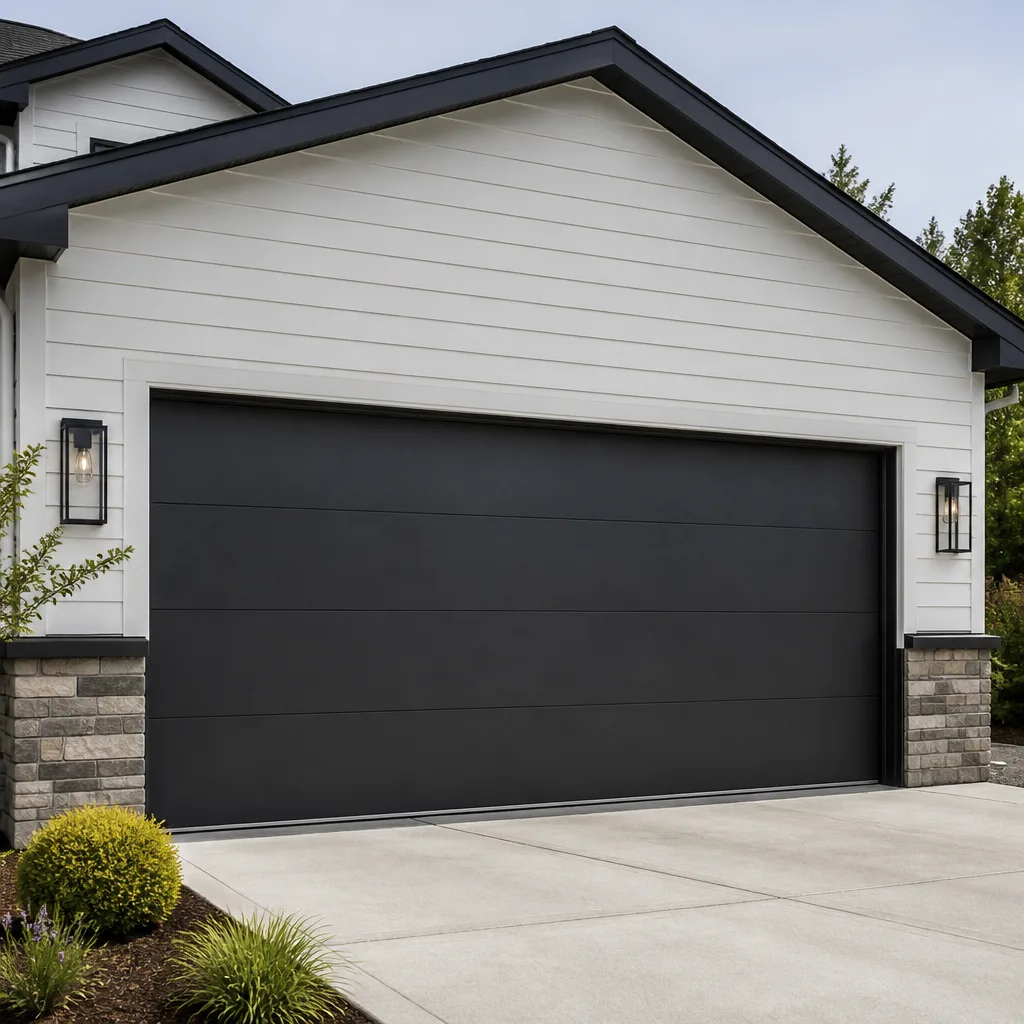 Modern flush
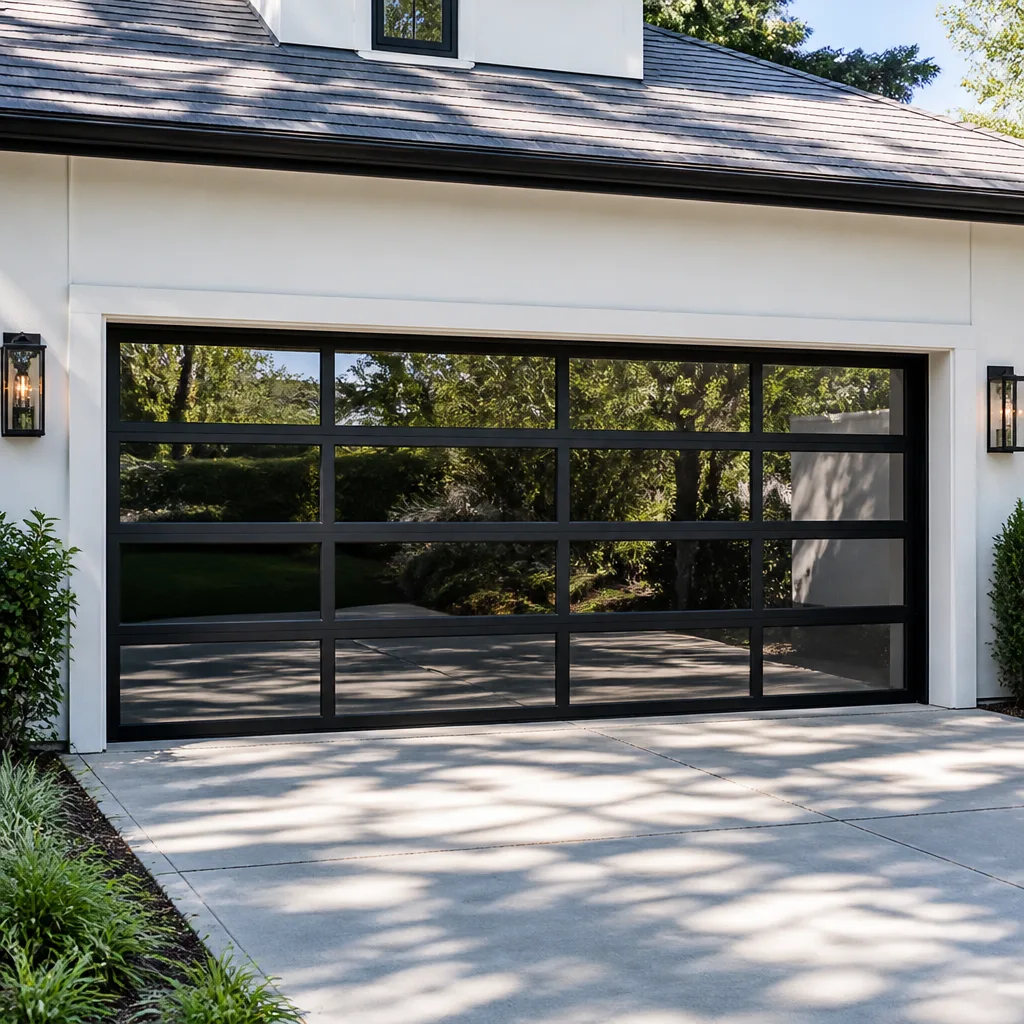 Full-view glass
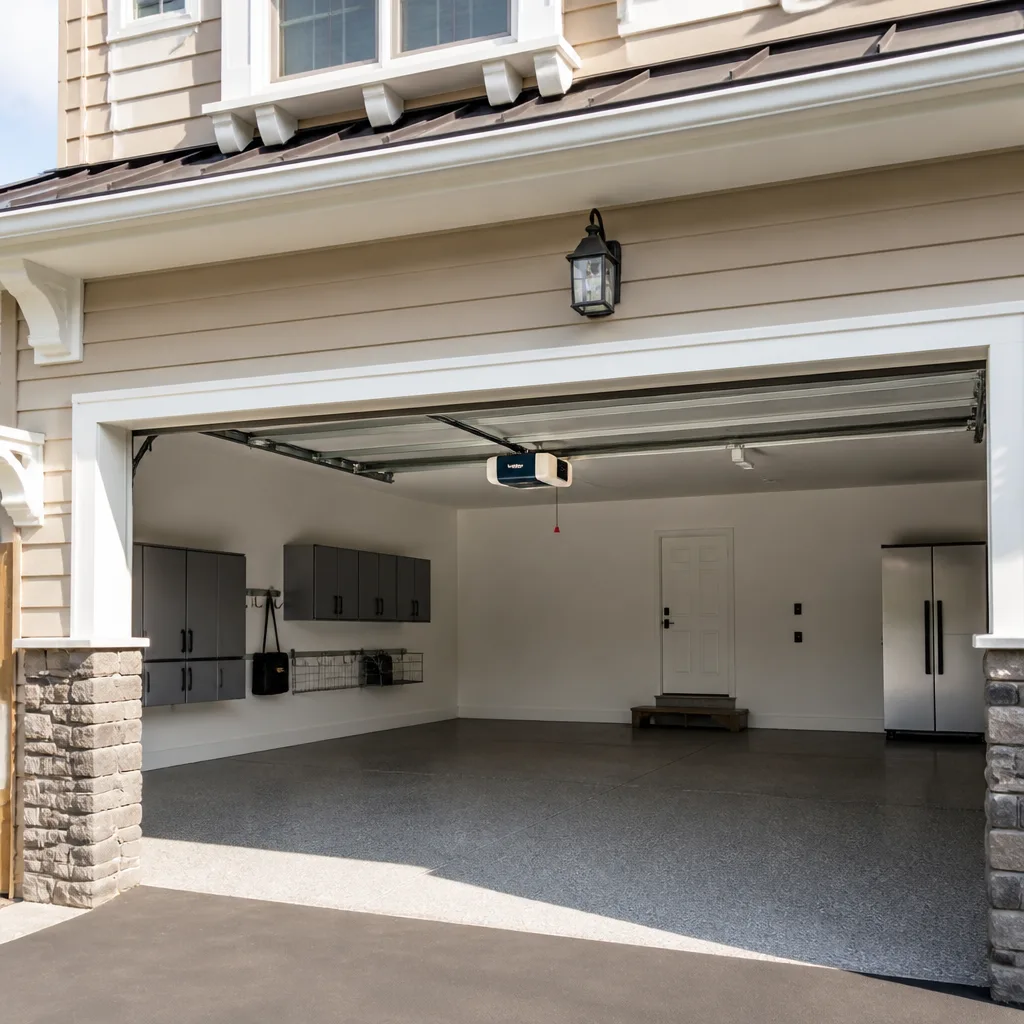 LiftMaster openers
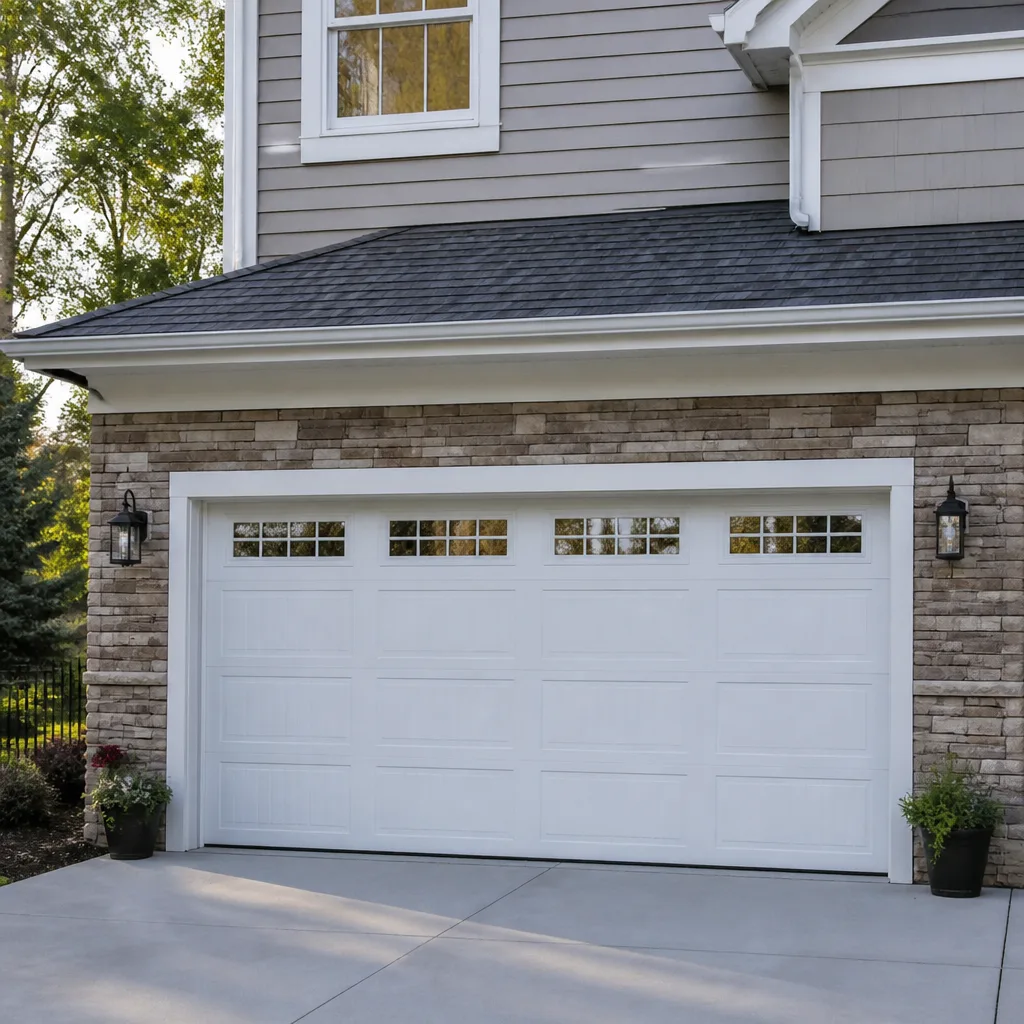 Chamberlain openers
Full 25-point door and opener safety check with every visit - springs, cables, rollers, tracks, and your LiftMaster or Chamberlain opener included
You get a price before we start. It does not change when the pro arrives.
Get your free estimateSeasonal Garage Door Care for Zionsville: Year-Round Homeowner’s Guide
Most garage door advice treats the seasons like a checklist: lubricate in fall, tidy up in spring, done. That misses what actually wears out doors here. In Zionsville, your door lives through rapid pressure and temperature swings – roughly 22 days a year where the mercury moves more than 30°F in a single day – and each of those days is a quiet stress test on your spring tension, your tracks, and your bottom seal. Beyond that, January and February lock in sustained cold that changes how metal behaves, while summer heat pushes openers harder than most homeowners realize. This guide walks through what each season does to your door, which components to watch and when, and the timing window that matters most for service in Zionsville. You’ll finish knowing what to check, what to leave alone, and when a call makes sense.
Quick Answer
Seasonal garage door care in Zionsville means watching different parts of the system in different months: spring tension and seals take the brunt of winter cold snaps, tracks and bottom seals suffer from spring thaw and ground movement, opener logic boards feel summer heat in attic-adjacent garages, and the best time to book service is the few weeks before the first hard freeze. A light seasonal check of springs, tracks, rollers, and seals – plus a professional look at anything metal that’s under tension – is enough to keep most doors working through all four seasons.
Styles & brands we work with
- Raised-panel steel
- Carriage house
- Modern flush
- Full-view glass
- LiftMaster openers
- Chamberlain openers
Table of Contents
- Why Zionsville’s Climate Drives Garage Door Wear
- Pre-Winter Care: Springs, Seals, and the Sub-20°F Test
- Spring Thaw: Ground Heave, Water Intrusion, and Track Shift
- Summer Heat: Openers, Attic-Adjacent Garages, and Logic Boards
- The Fall Service Window: Timing Before the First Hard Freeze
- Component-by-Component Wear Through the Year
- High-Risk Parts You Should Never Adjust Yourself
- Common Questions About Seasonal Care
Why Zionsville’s Climate Drives Garage Door Wear
A garage door is a mechanical system built around balancing tension, and tension is a function of temperature. Steel springs, the components that carry the door’s weight, change their behavior as the metal expands and contracts. In a place like Zionsville, where the temperature can drop 30 degrees between a mild afternoon and a cold night, that change happens fast rather than gradually. Your door feels every swing, and over a season the cumulative effect shows up as minor symptoms – a slight binding, a bottom seal that no longer sits flush, a door that starts to sound different when it moves.
Zionsville sits in central Indiana, where the winter pattern alternates between mild stretches and sharp arctic pushes. That alternating rhythm is harder on the door than a steady deep freeze would be, because it forces the springs, tracks, and hardware to flex back and forth repeatedly. Add summer heat and humidity, when sealed bearings dry out and opener electronics run hotter, and you get a system with four distinct stress profiles across the calendar year.
Here’s the point most generic guides skip: in Zionsville, you’re not dealing with one climate, you’re dealing with four sub-climates on a rotating schedule. The correct care for each is different, and the wrong season for a given task can actually make things worse. Adjust the wrong spring in the wrong month and you add stress instead of relieving it. Wait until the first hard freeze to grease a seal and the material may already be cracked by the time you get to it.
The good news is that most of what a homeowner needs to do is observation and cleaning, plus booking professional service at the right time. The heavy lifting – literally and figuratively – belongs to trained technicians. Our technicians have up to 13 years of experience, and the seasonal patterns they see in Zionsville line up closely with what this guide describes.
Pre-Winter Care: Springs, Seals, and the Sub-20°F Test
Torsion springs need professional attention as temperatures drop below 20°F. Cold stiffens grease in the spring coils and rollers and slightly shrinks the coiled metal, changing the torque curve of the spring. On a well-adjusted door, that change is manageable. On a door that’s already at the edge of its adjustment range, it shows up as a specific set of symptoms. When you start seeing these, it’s time to have the spring system checked before the cold really sets in:
- The door feels noticeably heavier when you lift it by hand (disconnect the opener first, and don’t force it).
- The opener strains or hesitates on the first open after a cold night.
- The door travels unevenly – one side lags – at temperatures below 20°F.
- You hear a sharper metallic clank or pop from the spring area.
- The bottom seal leaves visible gaps at the floor when the door closes.
Each of those symptoms corresponds to a known cold-weather adjustment: spring tension balance, seal flexibility, roller lubrication, or safety sensor alignment. The important thing to understand is that in Zionsville, a stretch in the 20s and a stretch below 10°F are different jobs for the door. The first stretch is where minor issues surface. The second is where a poorly balanced door can actually fail, and that’s when a broken spring becomes a genuine safety concern.
Before the first hard freeze, have someone look at the balance of the door and the condition of the springs and cables. Note that we’re not going to give you adjustment steps here – springs are the highest-risk part on the whole assembly, and the safest thing any homeowner can do is to leave the adjustment to someone who knows what they’re looking at. To learn more about this component, see our page on garage door spring repair, where we walk through what the work involves. What you can safely do yourself: keep the bottom seal clean, clear any debris from the tracks, and test that the door opens and closes evenly by eye before the cold returns.
Spring Thaw: Ground Heave, Water Intrusion, and Track Shift
Spring thaw is the season most homeowners overlook, but it produces some of the most specific garage door problems in Zionsville. The combination of a saturated water table and freeze-thaw cycling in the soil moves the ground around the garage slab in ways that don’t show up anywhere else in the year.
Two things happen at once. First, ground heave: when the soil under and around the driveway and garage slab goes through thaw cycles, it can rise and fall slightly. That movement transfers to the door’s frame anchors and the bottom track, and a door that was perfectly aligned in November can be subtly out of alignment by early April. Second, water intrusion under the bottom seal: as snow melts, water pools against the door, and if the bottom seal is stiff from winter, that water gets past it. Small damp spots on the interior floor near the door are the giveaway.
What to watch for:
- Door binding on one side. If the door feels heavier on one edge or scrapes near the top of the opening, one track may have shifted slightly with the ground.
- Daylight under the bottom seal. Close the door and look from inside – a visible light line means water can get in. A seal that has cracked or hardened over winter needs replacement.
- Damp spots or rust at the hinge points. Rust on the hinges and track tells you water is getting in where it shouldn’t.
- Rattling or vibration. Ground movement can loosen track fasteners; a rattle that wasn’t there before spring is worth looking at.
Spring is also the best time to check the balance of the door and see whether the winter did any damage. For most Zionsville homeowners, the correct action is to schedule a look at the track alignment and seal replacement, plus a check on the hinges and rollers. This is routine garage door repair territory rather than emergency work; our garage door repair page covers what’s typically involved.
Summer Heat: Openers, Attic-Adjacent Garages, and Logic Boards
Summer is when openers fail more often than any other season, and the reason is thermal. Opener logic boards, the electronics that handle limits, force sensitivity, and safety sensor input, accelerate their aging above roughly 100°F in the surrounding air. A garage that shares a wall or ceiling with the attic, which is common in many Zionsville homes, can run hotter than the outdoor temperature by a surprising margin. On an August afternoon, that garage may be 105°F or higher near the opener, and the electronics are the first thing to notice.
Here’s what to watch in summer:
- The opener’s lights flicker or the unit behaves oddly – a sign components are running hot.
- The door reverses for no clear reason or stops partway. That’s often a safety sensor or force limit issue that heat makes worse.
- The remote works at close range only – sometimes the receiver itself is strained by heat, sometimes it’s just a weak battery.
- Loud operation when the door is warm, especially on opener brands like LiftMaster or Chamberlain that use chain or belt drives that can be temperature-sensitive.
What you can do safely: clear airflow around the opener, keep the garage vented during hot stretches, and test the safety sensors per the opener’s manual (typically a simple reflect-the-beam check). What you shouldn’t do yourself: adjust the force limits or travel limits on the opener. Those settings are calibrated to the door’s actual weight and geometry, and turning the wrong screw can cause the opener to close on an obstruction, which is a genuine safety problem. If you have a Craftsman or Raynor opener that’s acting up in the heat, the right move is a service call rather than a DIY fix. Details of what a technician checks are on our garage door opener repair page. If your opener is older and has been failing more each summer, a replacement may make more financial sense than repeated repairs; that’s a conversation to have when we give the free estimate.
The Fall Service Window: Timing Before the First Hard Freeze
The optimal service window for garage door care in Zionsville is the roughly three weeks before the first hard freeze of the season. That window is narrow, and getting the timing right is what separates a door that glides smoothly through winter from one that struggles.
Why that specific window? Work done too early in the fall and the door may not be adjusted for the temperatures it will actually face in the deep of winter. Work done too late and the first cold snap arrives while the door is still mid-adjustment. The weeks just before first hard freeze give a technician room to balance the spring system, replace any seals that are showing wear, and clean and lubricate the tracks and rollers so the assembly is ready for the cold stretch.
Here’s the season-by-season timing view for reference:
- Early fall (six to eight weeks before first freeze): good time for a new-door assessment if you’re considering installation.
- Three weeks before first hard freeze: the ideal window for spring, seal, and track adjustment in Zionsville.
- First hard freeze: after this, the door should be left alone unless something fails.
- Midwinter: handle repairs and emergency work only; adjustment is riskier in the deep cold.
If you’re not sure when your part of Zionsville usually sees the first hard freeze, your county extension office or a local weather record is the best reference. For service scheduling, the right move is to book during that fall window rather than wait for a symptom to appear. For the full range of services we connect you with, the front page of Zionsville Garage Door Repair Pros gives an overview.
Component-by-Component Wear Through the Year
Not every garage door component wears equally in every season. The table below shows which parts most deserve your attention in which months, so you can direct your own checks and know what to flag when you talk to a technician.
Spring season (March through May):
- Bottom seals: high wear – winter stiffening, water intrusion, and ground heave all hit this in one month.
- Tracks: high wear – frost and soil movement shift them.
- Hinges and rollers: moderate wear – lubrication often dries during winter.
- Springs: moderate wear – thaw cycling is a relief after winter, but check the balance.
Summer (June through August):
- Opener logic board: high wear – thermal aging is the biggest factor.
- Safety sensors: high wear – dirt and heat-related electronics issues.
- Chain or belt drive: moderate wear – temperature-sensitive expansion can make these noisier.
- Mechanical springs: low wear – summer is their easiest season.
Fall (September through November):
- All components: service window – the before-freeze timing described above applies to every part.
- Weather stripping: high wear – the material starts to stiffen as temperatures fall.
- Springs: moderate wear – checking the balance before winter is important.
Winter (December through February):
- Torsion springs: highest wear – cold stress and accumulation through the season.
- Cables: high wear – the smaller the stretch in cold, the more stress on the cable.
- Opener motor: moderate – the door gets heavier and the motor works harder.
- Tracks and hinges: moderate – track movement and stiffness.
The short version: watch springs and cables in winter, tracks and seals in spring, openers in summer, and everything in fall. That matches the seasonal rhythm most of our technicians see in Zionsville homes.
High-Risk Parts You Should Never Adjust Yourself
Some parts of a garage door are simply not DIY territory, and it’s worth being specific about which ones and why. In our experience, the small adjustments that cause serious accidents are almost always spring-related. A torsion spring stores enough energy to break bones or cause worse injury, and releasing that tension incorrectly, or losing control of it, happens in an instant.
The parts to leave to a trained professional:
- Torsion springs (the horizontal spring above the door): the highest-risk part on the door. Even an apparently simple adjustment involves winding and unwinding a spring under heavy tension.
- Extension springs (above the tracks): also under heavy tension, and their safety cables are critical – never remove the cables to “see what happens.”
- Cables and drums: the cables carry enormous load and can snap violently if mishandled.
- Opener force and travel limits: a misadjusted force setting can let the door close on an obstruction, which is a safety problem for anyone under it.
- The bottom bracket: the lowest bracket accepts enormous tension from the cable and is not a part to loosen without tools and training.
What you can safely do: keep the tracks clean and free of debris, test that the opener’s safety sensors work (per the manufacturer’s manual), lubricate the hinges and rollers with a proper garage door lubricant, and visual-check for cracks in the springs, frayed cables, or bent tracks. Every one of those is observation or light maintenance, not mechanical adjustment. For anything on the “leave it” list, call a professional. The best way to learn more about what spring repair involves is to see our dedicated spring page, already linked above.
Common Mistakes to Avoid
- Greasing the tracks or the springs. Tracks should be clean and dry; grease collects grit and accelerates roller wear. Springs get a light application of proper lubricant, not grease, and not by a homeowner.
- Adjusting the opener force limit to fix a “sticking” door. That’s usually a symptom of a spring or track problem, not an opener problem. Turning up the force masks the real issue and creates a safety risk.
- Waiting until the first hard freeze to book fall service. In Zionsville the fall window is narrow, and technicians book up as the cold sets in. Earlier is better.
- Replacing seals with the wrong material. Standard weather stripping cracks quickly in cold. Look for seals made for cold climates and let a technician size them.
- Ignoring one track that looks slightly off. A millimeter of misalignment becomes a millimeter plus wear, then scraping, then a repair that costs more. Fix small deviations early.
- Running the door when it’s clearly unbalanced. If the door doesn’t stay put when you lift it a foot and let go, the springs are out of adjustment. Don’t keep running it – get it checked.
- Using WD-40 as a “lubricant” on the door. It’s a penetrant, not a lubricant, and it strips the correct lubricant off. Use a purpose-made garage door lubricant.
When to Call a Professional
Call a professional when the door is unbalanced, when a spring looks cracked, when a cable is frayed, when the opener reverses or stops unexpectedly, when the bottom seal is letting in water, or when you simply don’t want to lay hands on a component under heavy tension to find out if it’s a problem. Those are the cases where an experienced eye saves time and prevents injury. Seasonal maintenance and pre-winter adjustment are also good reasons to book a service call – a professional look at the door before cold weather is more useful than a homeowner’s best guess. Zionsville Garage Door Repair Pros offers free estimates in Zionsville – call (855) 337-1105 to schedule one. Our technicians have up to 13 years of experience and work on the brand you already have.
Frequently Asked Questions
The best time is the few weeks before the first hard freeze, which in Zionsville is usually late fall. That window lets a technician balance the spring system, replace worn seals, and clean and lubricate the tracks and rollers before the cold stress begins. Spring is the second-best window for a general check and track alignment. Call (855) 337-1105 for a free estimate and to get on the schedule early – the fall window fills up fast.
Watch for a door that feels heavier when you lift it by hand, an opener that strains on the first cold morning, or uneven travel when it’s below 20°F. Those symptoms mean the spring system is out of balance for the cold weather. Don’t adjust it yourself – springs are the highest-risk part on the door. Call (855) 337-1105 and we’ll send someone to check the balance and adjust it properly.
No. We quote the price before any work starts, and the written estimate is the final price. If the door turns out to need more than the initial scope, we’ll tell you before we touch anything and you’ll approve it first. Estimates are free, so call (855) 337-1105 for a quote.
Heat accelerates aging on opener logic boards and other electronics, and garages that share a wall or ceiling with the attic run much hotter than outside temperatures. On hot days, an older opener may reverse, stop, or flicker more often. If yours is doing this every summer, call (855) 337-1105 to have it checked before it fails completely.
We work on the brands most homeowners already have, including LiftMaster, Chamberlain, Genie, Craftsman, Raynor, Clopay, Amarr, and Wayne Dalton. That covers most doors and openers in Zionsville homes, so you don’t need to replace equipment just to get it serviced. Call (855) 337-1105 and tell us the brand and model.
Yes – the cold months are when springs and cables take the most stress, so a door that seems fine can fail during a cold snap. A pre-winter check catches small issues before they become seasonal emergencies. Our technicians have up to 13 years of experience, so if anything looks worn, we’ll tell you. Call (855) 337-1105 for a free estimate.
The Bottom Line
Garage door care in Zionsville works best when you treat the calendar as part of the equipment. Springs and cables take the stress in winter, tracks and seals in spring, openers in summer, everything in fall. The single most valuable habit is to book a professional check in the three weeks before the first hard freeze, when adjustment does the most good. Beyond that, most of what’s safe to do yourself is observation and cleaning. Leave the springs, cables, and opener force settings to a trained technician. If you’re in Zionsville and want a free estimate, call (855) 337-1105 – we’ll take a look and tell you what the door actually needs.
Written by the team at Zionsville Garage Door Repair Pros.
See the difference
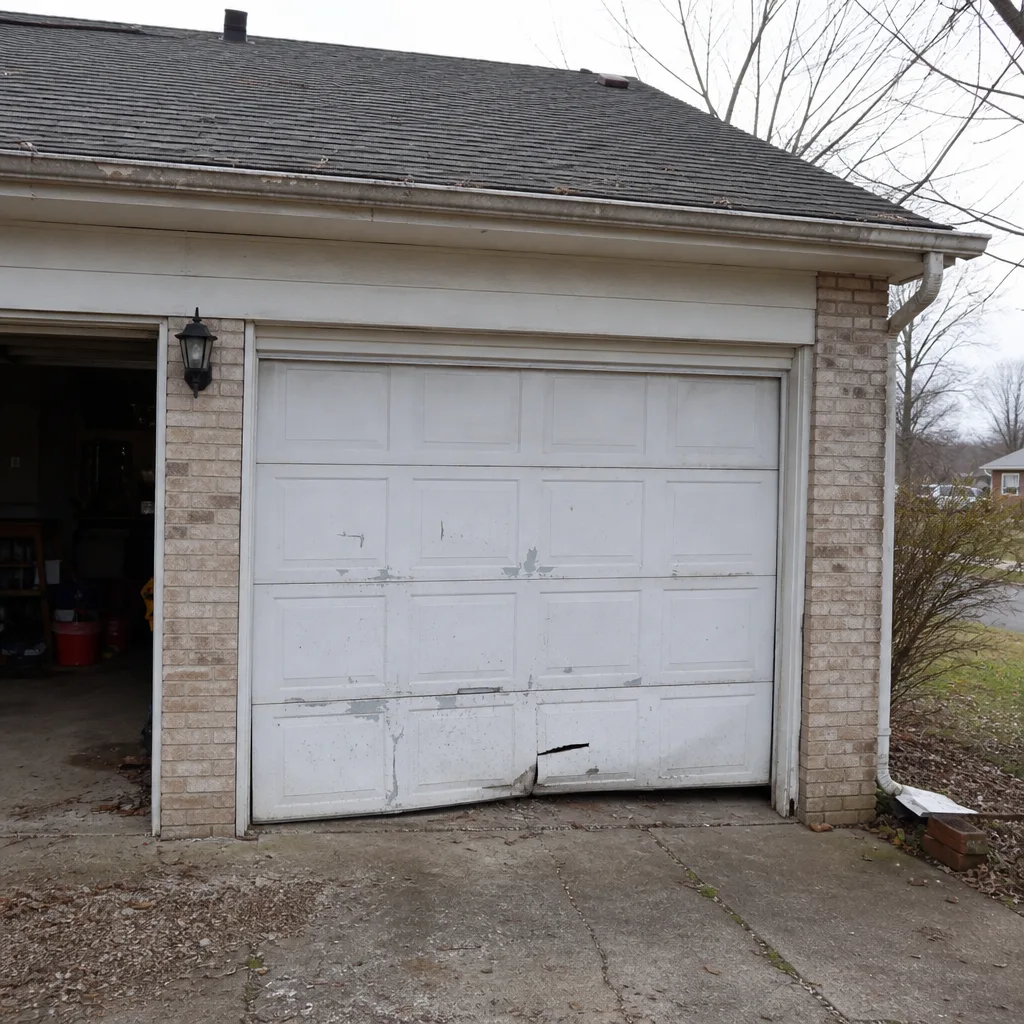 Before
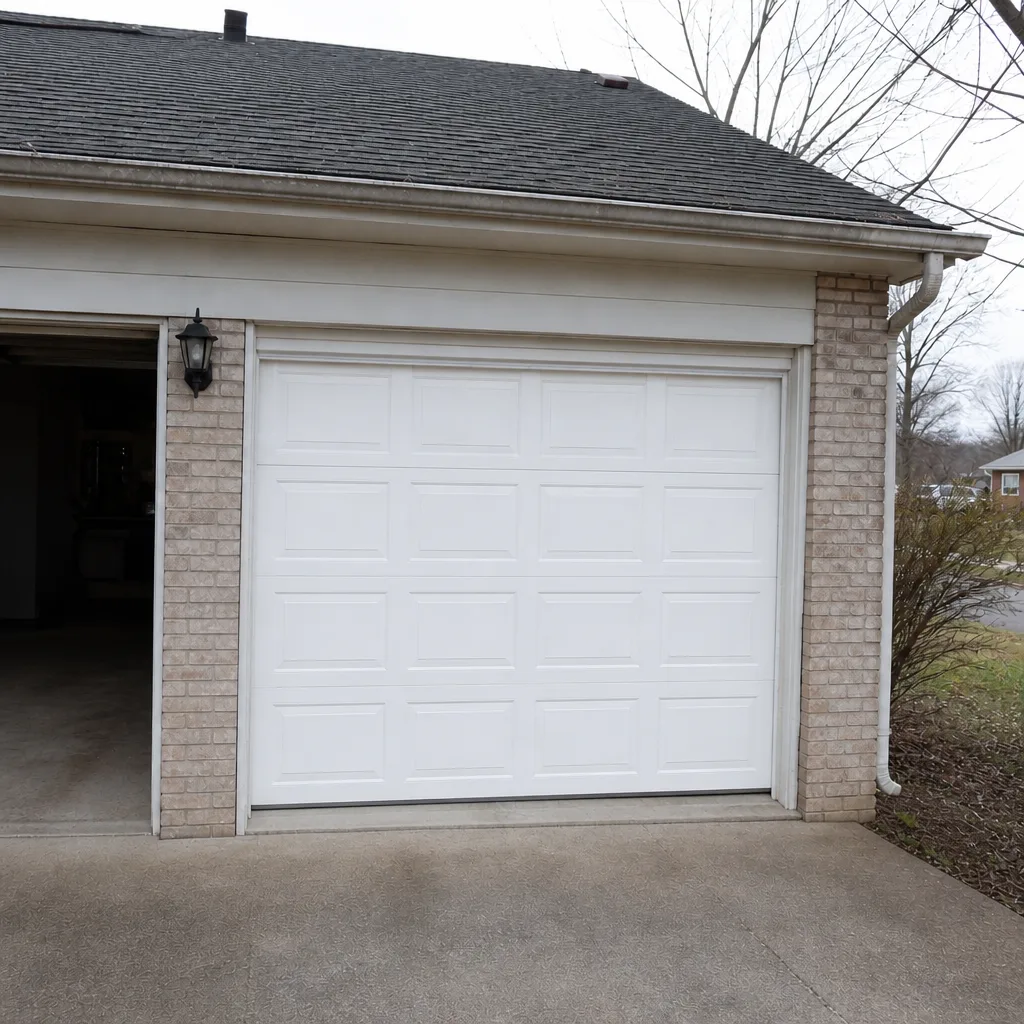 After
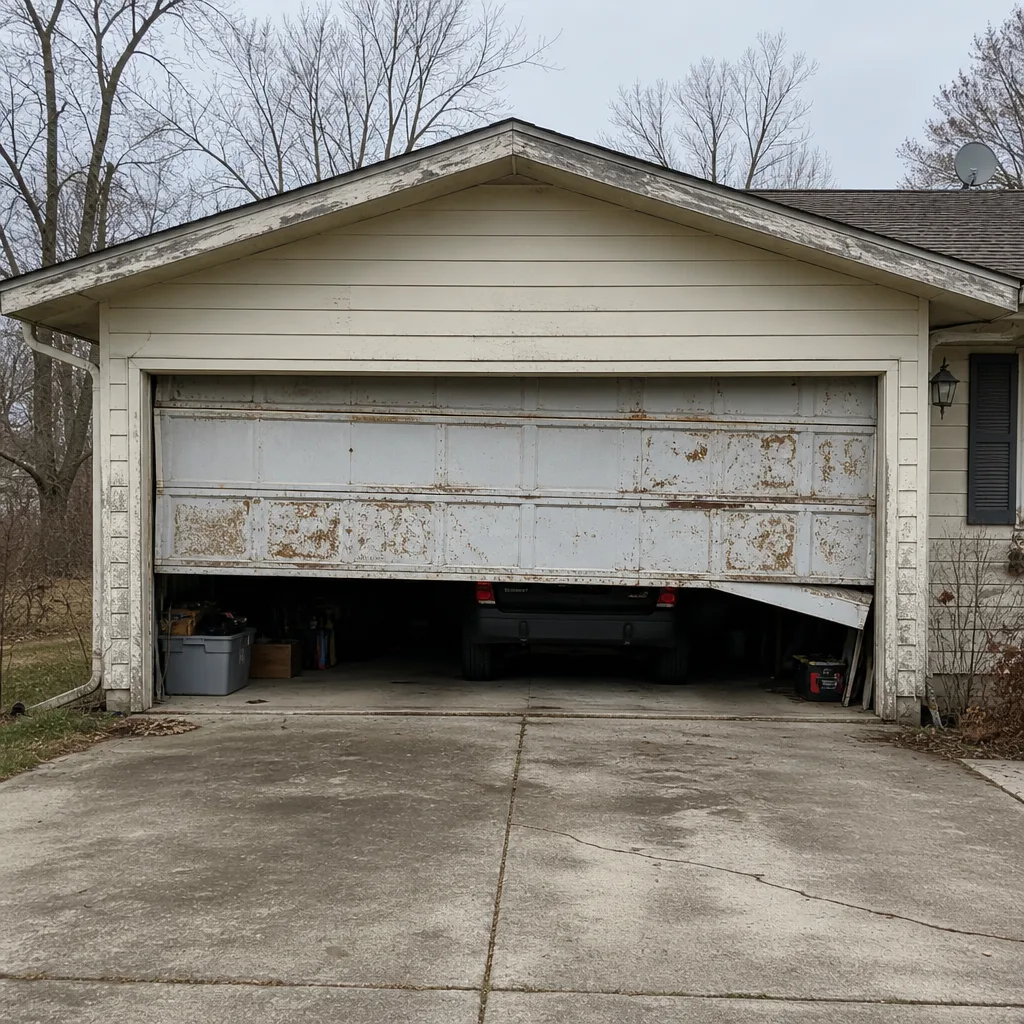 Before
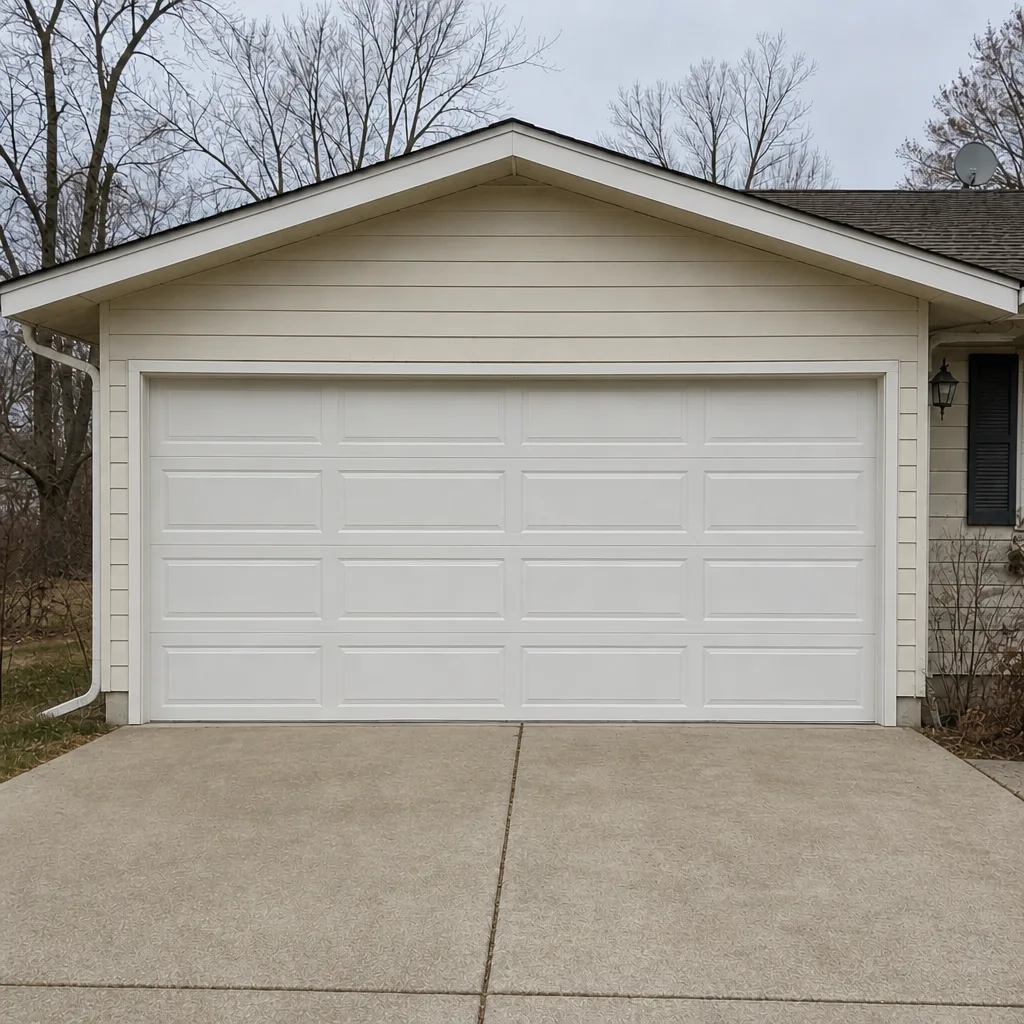 After
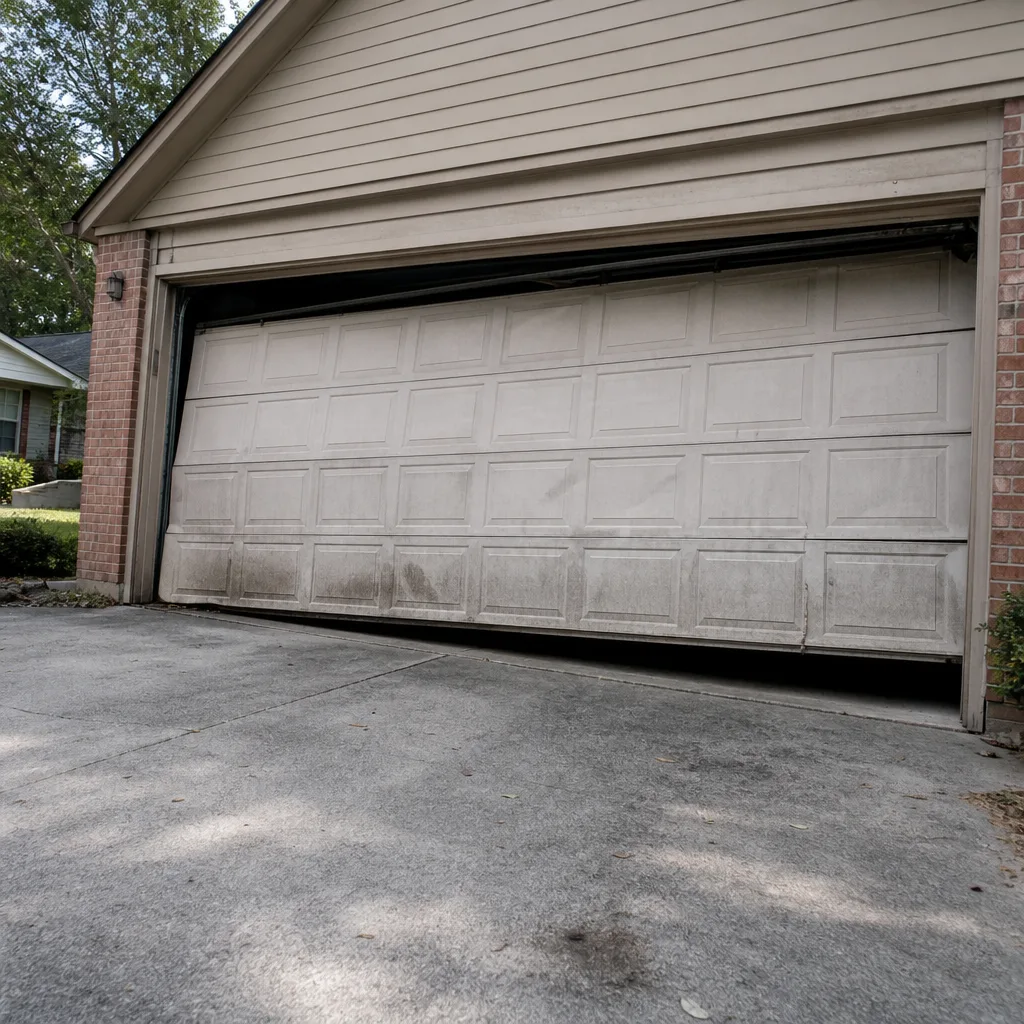 Before
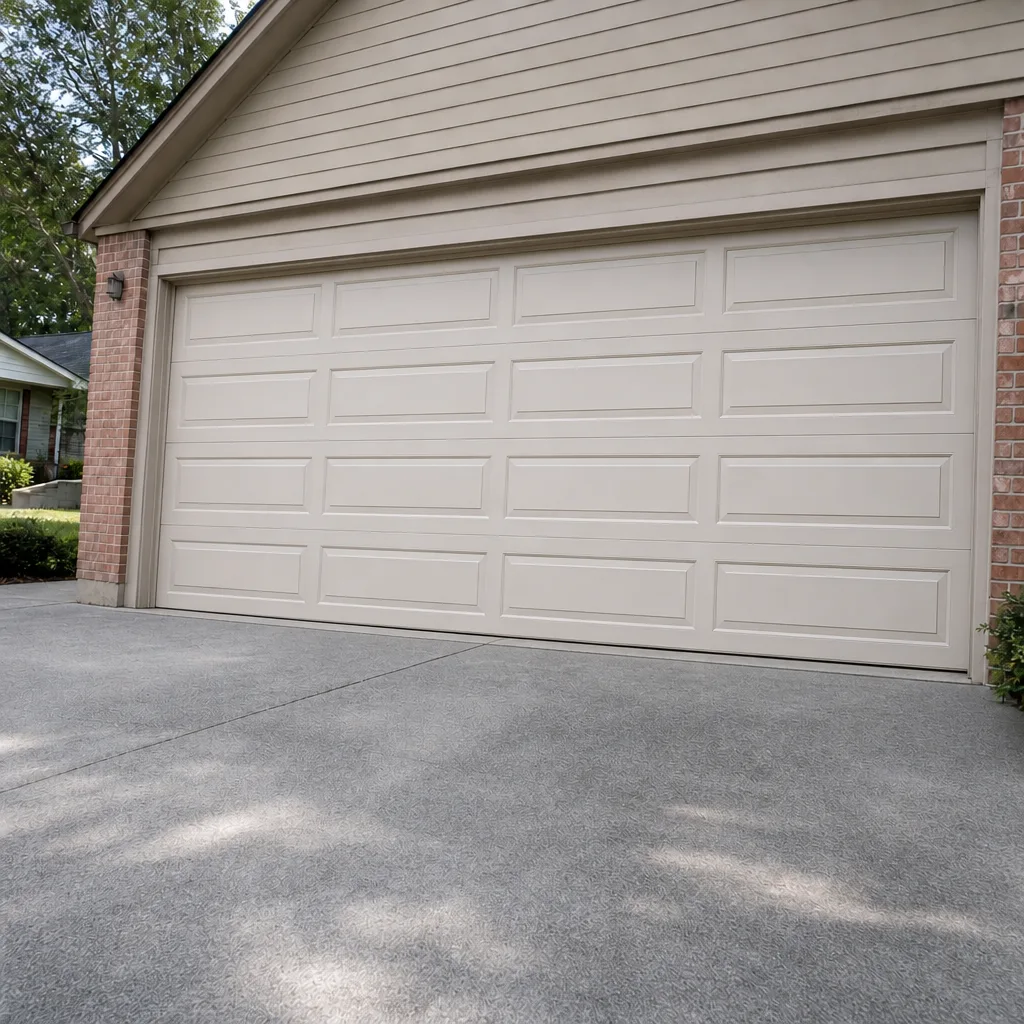 After