Last updated November 23, 2026
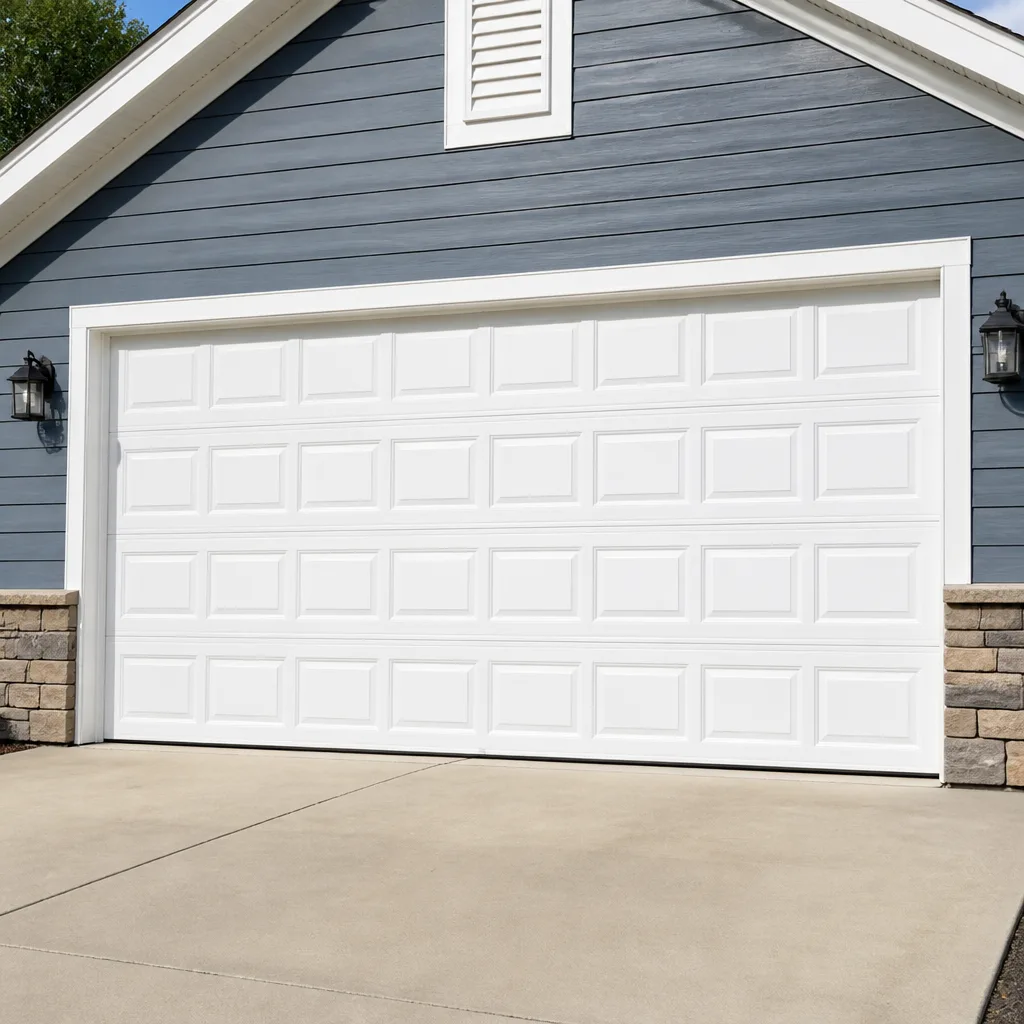 Raised-panel steel
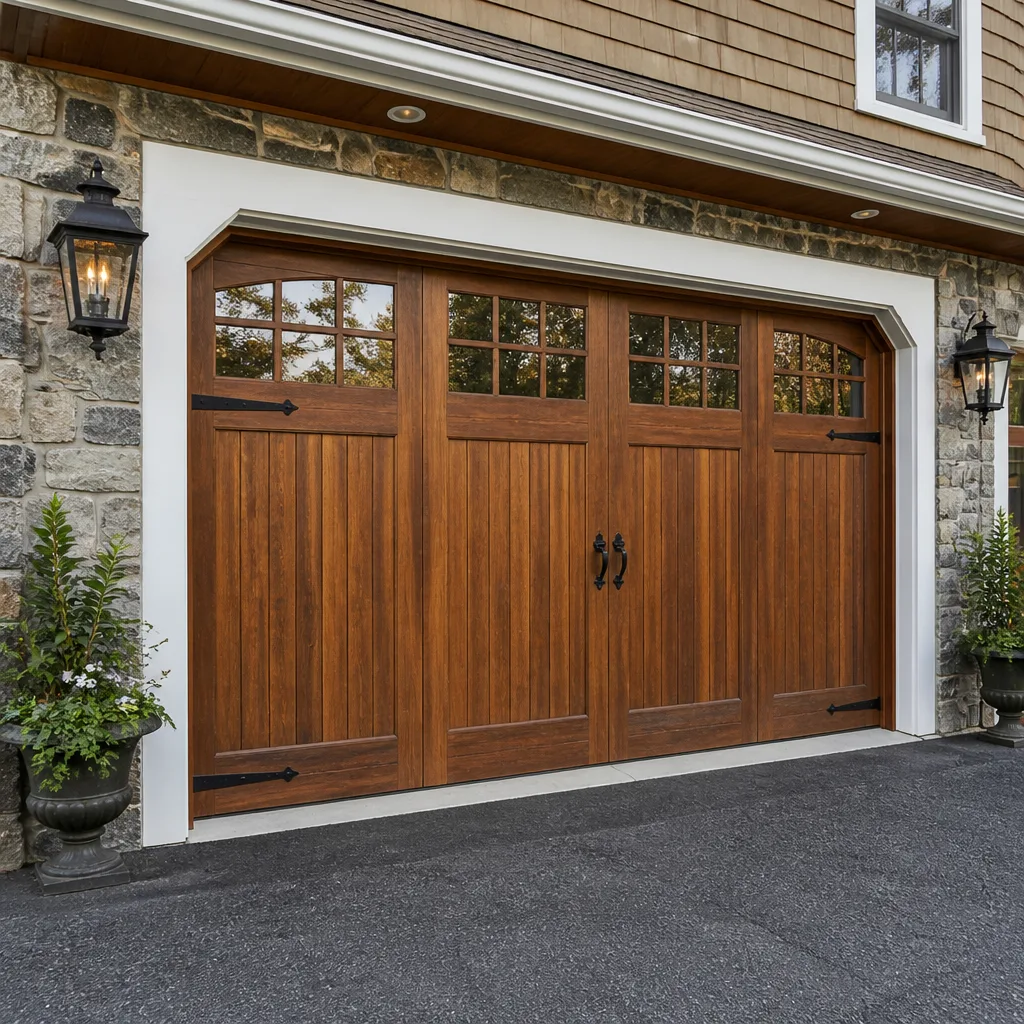 Carriage house
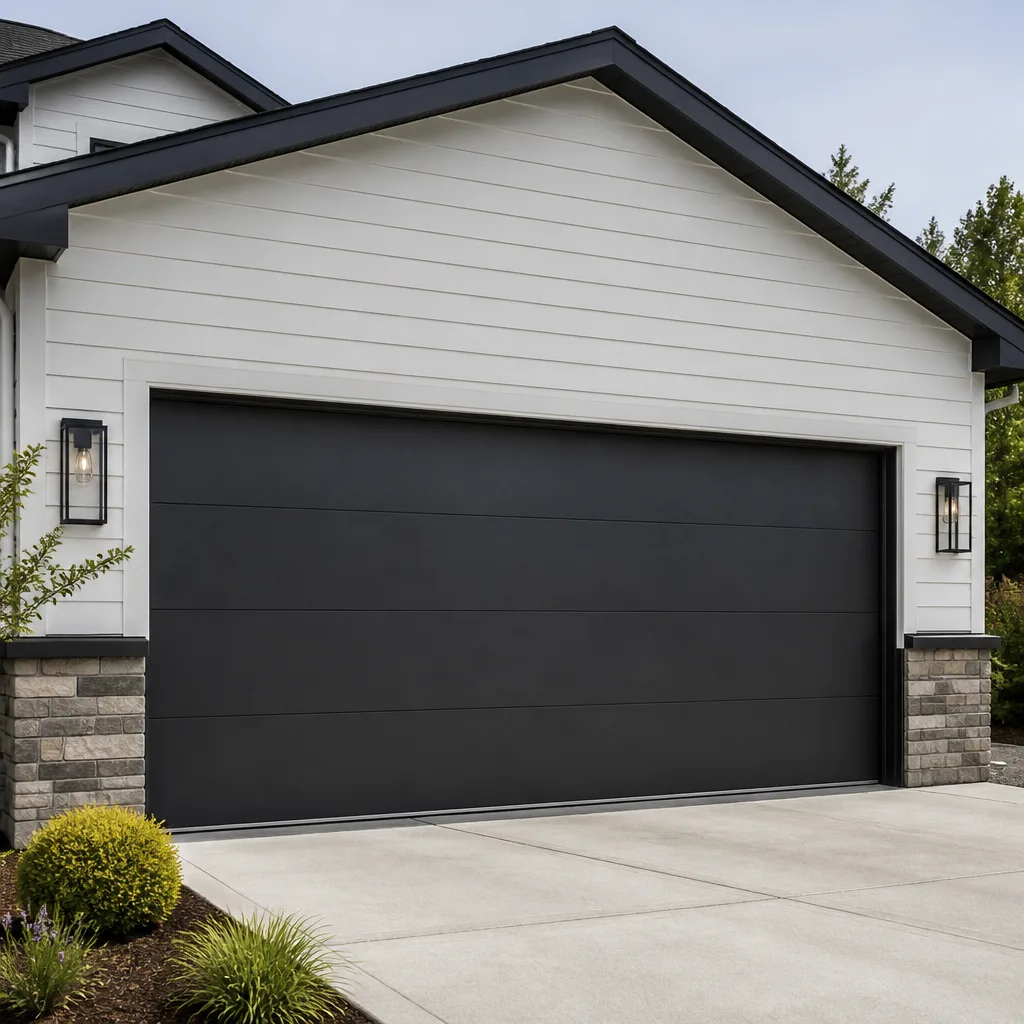 Modern flush
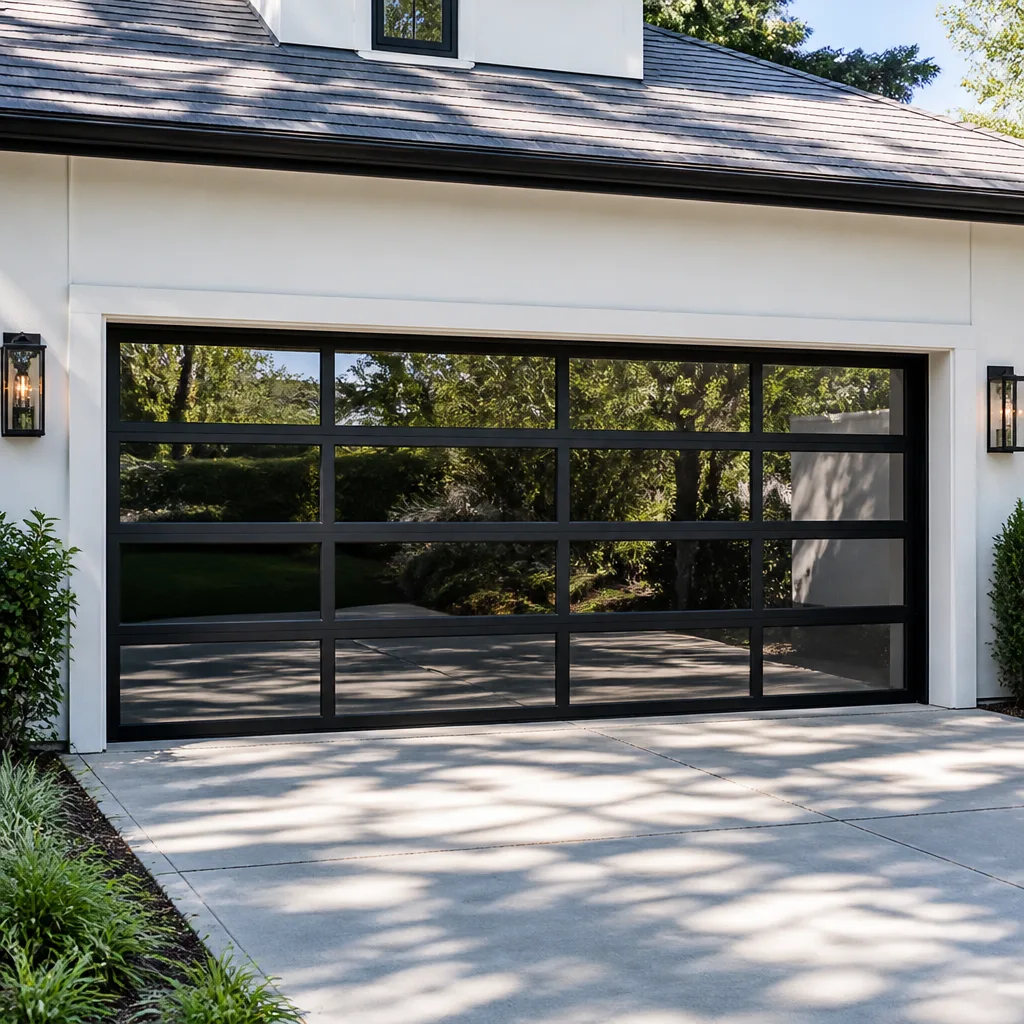 Full-view glass
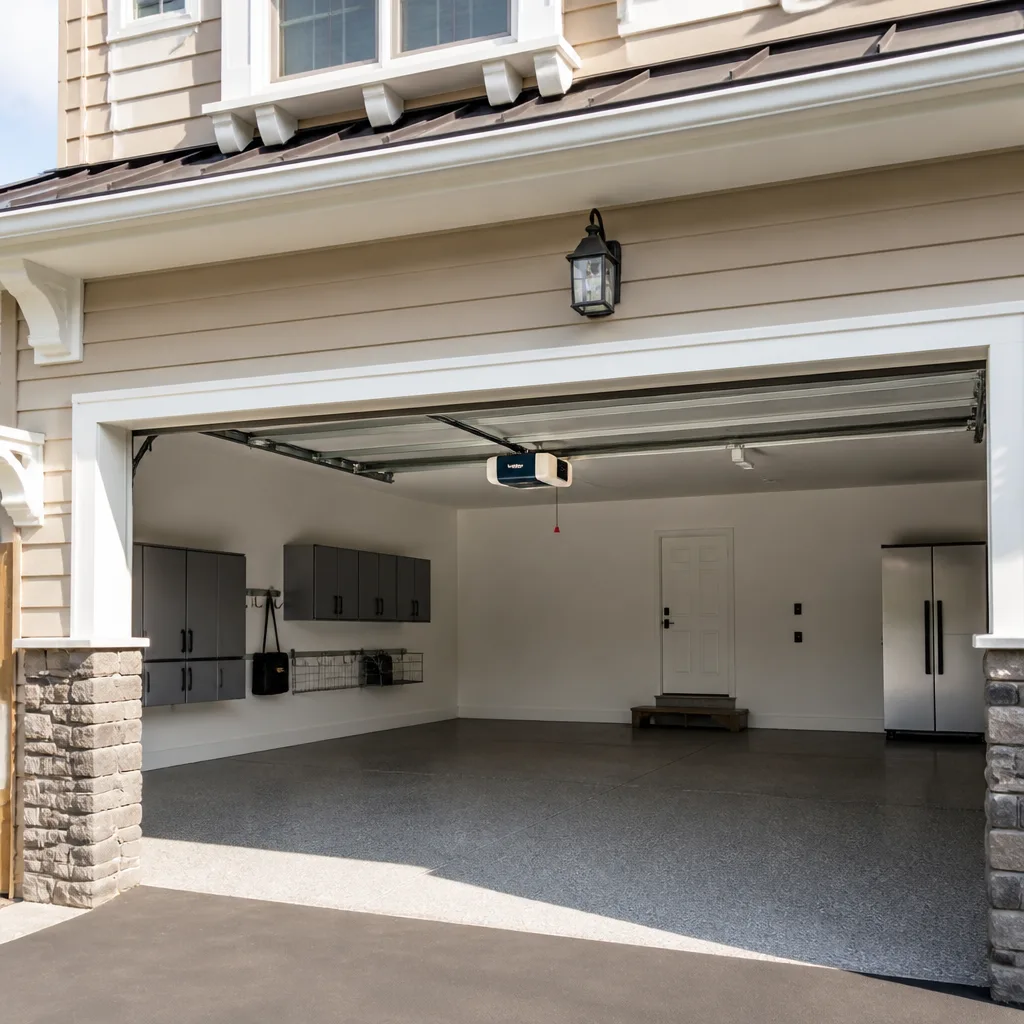 LiftMaster openers
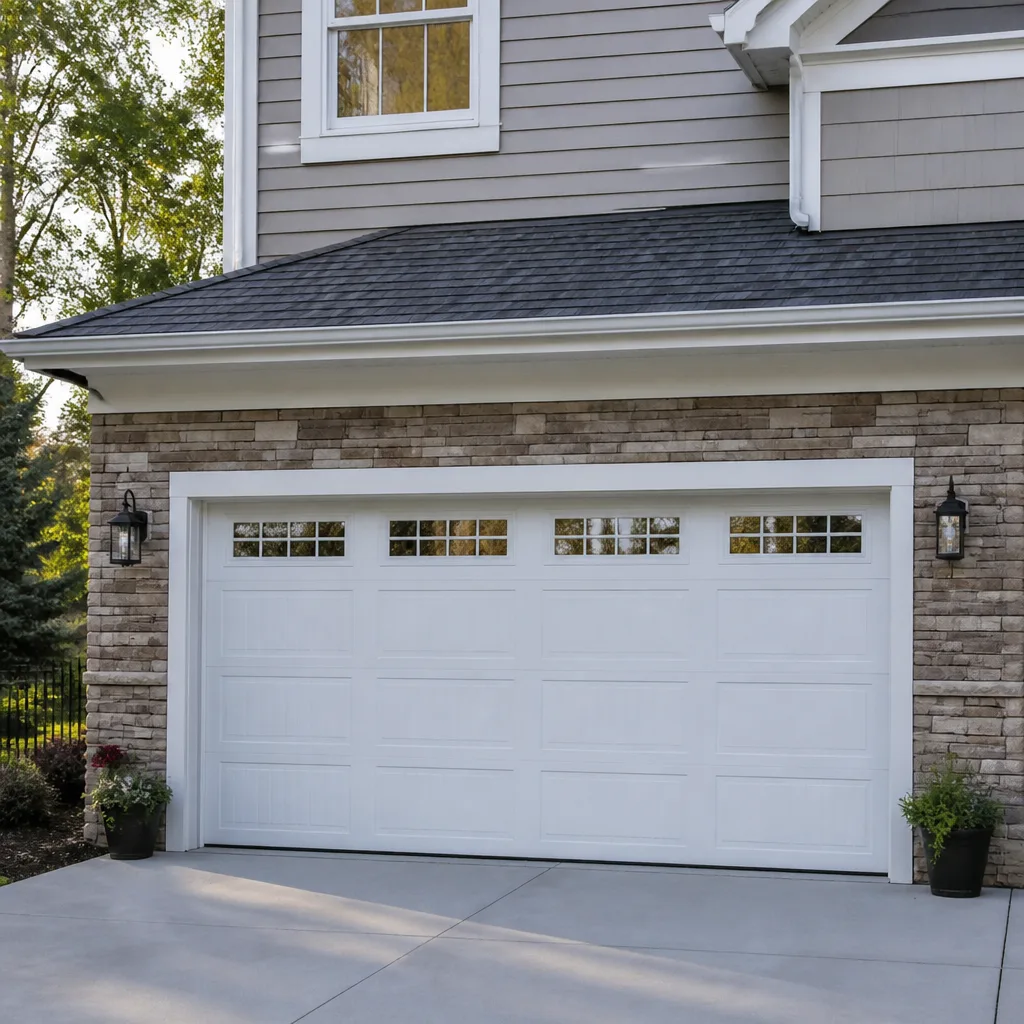 Chamberlain openers
Full 25-point door and opener safety check with every visit - springs, cables, rollers, tracks, and your LiftMaster or Chamberlain opener included
You get a price before we start. It does not change when the pro arrives.
Get your free estimateThe Complete Guide to Garage Doors in Zionsville
A steel door spec’d for Atlanta’s climate will cycle through 40°F temperature swings in a single Zionsville January week – and that gap alone explains a large share of the premature spring failures we diagnose locally. Most garage door advice online is written for a national average that doesn’t exist. It assumes mild winters, uniform housing stock, and one style of door. Zionsville is none of those things. This guide maps every garage door decision – spring calibration, bottom seal material, insulation, style, brand, and lifecycle cost – to the conditions you actually live with here. By the end you’ll know what to buy, what to expect, and when to call.
Quick Answer
Garage doors in Zionsville need to be spec’d for real freeze-thaw cycling, not a mild national average. That means spring tension calibrated for cold contraction, a bottom seal that stays flexible below freezing, insulation matched to whether the garage is attached or detached, and a door style that fits your home’s architecture. Repair decisions should account for local climate stress; purchase decisions should account for total lifecycle cost, not just the sticker price.
Styles & brands we work with
- Raised-panel steel
- Carriage house
- Modern flush
- Full-view glass
- LiftMaster openers
- Chamberlain openers
Table of Contents
- How Zionsville’s Climate Changes Everything
- Springs, Cables, and the Freeze-Thaw Problem
- Bottom Seals, Weatherstripping, and Air Infiltration
- Matching Door Style to Zionsville Architecture
- Insulation and R-Value: Attached vs. Detached Garages
- The Brand Landscape in Boone County
- Full Lifecycle Costs by Material
- Annual Maintenance: What to Check and When
How Zionsville’s Climate Changes Everything
Zionsville sits in central Indiana, which means it gets the full four-season cycle in a way coastal or southern markets simply do not. A single January week can swing from a mild thaw in the 40s down to single digits, then back up again. Every one of those swings makes your door’s steel, springs, seals, and opener work harder. This is the single biggest reason generic national garage door advice fails here.
Three effects matter most:
- Metal contraction and expansion. Steel door panels expand in summer heat and contract in winter cold. That movement stresses fasteners, hinges, rollers, and the panel seams themselves. Doors that aren’t adjusted for the swing will rattle, stick, or develop gaps.
- Spring fatigue from thermal cycling. Torsion and extension springs are calibrated to a specific door weight. In cold, that weight effectively changes as seals stiffen and tracks tighten. Springs that are subtly undersized fail years earlier than they should.
- Seal hardening. Rubber and vinyl bottom seals stiffen below freezing. A seal that was flexible in October can crack and split by February, letting in cold air, moisture, and pests.
This is why a door and door system installed in Zionsville needs to be spec’d differently from one installed in, say, Atlanta or Phoenix. It’s not about marketing language – it’s about parts, calibration, and material choice. If you want a repair done right the first time, this matters. Our Zionsville Garage Door Repair Pros approach starts with understanding the door you have and the climate it lives in.
Springs, Cables, and the Freeze-Thaw Problem
Springs are the most dangerous component on any garage door, and Zionsville’s freeze-thaw cycle is the reason they fail more often here than many homeowners expect. Torsion springs sit on the shaft above the door and do the actual lifting. Extension springs run along the sides and stretch as the door closes. Both are calibrated to the door’s weight, and both lose tension over time.
What the freeze-thaw cycle does specifically:
- Winter cold stiffens the bottom seal, which adds resistance to the door’s travel.
- The door becomes heavier to lift because of that added resistance and track contraction.
- The spring, still calibrated to summer weight, is effectively working against more load than it was set for.
- That extra load over months accelerates fatigue, and a spring that should last a decade can fail prematurely.
- When the thaw comes in spring, the door lightens again but the spring has already taken the wear.
This is why we treat spring tension calibration as part of every spring service in Zionsville – not just a swap. A spring replacement that doesn’t account for the seasonal load change is only half a fix. Our garage door spring repair service is built around this.
Springs and cables are also the one part of a garage door system a homeowner should never touch. High tension is stored in torsion springs at all times, and a mistake can cause serious injury. If a spring is broken, or if you hear a loud snap from the garage, stop using the door and call a trained technician. Do not try to release tension or replace a spring yourself. This is a genuine safety matter, not a disclaimer.
Bottom Seals, Weatherstripping, and Air Infiltration
The bottom seal is the least glamorous part of a garage door and the one that fails first in a Zionsville winter. It’s the flexible rubber or vinyl strip that runs across the bottom edge of the door, and its job is to seal against the floor when the door closes. When that seal hardens and cracks, three things happen at once: cold air gets in, moisture gets in, and pests get in.
What to check on your own:
- Cracks and splits along the seal. Run your hand along the bottom edge in cold weather. If it feels stiff and brittle rather than pliable, it needs replacing.
- Visible daylight around the door edges. With the door closed, look for light creeping in at the corners or bottom.
- Drafts at the sides and top. Side weatherstripping and a top seal need to be intact too, or the bottom seal alone won’t keep cold air out.
- Water pooling after rain. If water gets past the seal, the floor and interior of the garage stay damp, which can rust door hardware and damage anything stored inside.
Replacing a bottom seal is one of the cheaper maintenance items on a garage door, and it pays back in energy and comfort every winter. It’s also a good check-in point: if the seal is failing, the springs and tracks are probably due for a look as well. Combined with insulation, a good seal is what makes a garage usable in January rather than a cold storage room.
Matching Door Style to Zionsville Architecture
Zionsville has two very different housing worlds living side by side: older estate homes – many with carriage-house and traditional architectural cues – and newer subdivisions built with cleaner, more contemporary lines. A door that looks perfect on one looks out of place on the other. Matching style isn’t vanity; it’s the single biggest factor in how a home reads from the street and, eventually, in resale.
For older estate homes and carriage-house styles
- Carriage-house doors with faux hinges, strap details, and panel patterns that echo barn-door construction are the natural fit.
- Wood-look or wood-toned steel complements brick, stone, and mature landscaping.
- Window inserts and decorative hardware add character without flooding the garage with light.
- Clopay and Amarr both make strong carriage-house lines that work well in this housing stock.
For newer subdivisions and contemporary builds
- Flush-panel steel doors in full-view or sectional styles match clean rooflines and modern facades.
- Larger windows and aluminum-frame options fit contemporary architecture.
- Full-view glass doors with aluminum framing are increasingly common on newer builds.
- Clean color palettes – black, charcoal, and white – work better on newer facades than wood tones.
If you’re considering a full replacement, the right move is to match the door to the house, not to a catalog. A stylized carriage-house door on a 2020s flush-facade home will look off, and a plain flush door on an older brick estate will look cheap. If you’re still deciding whether to repair or replace, our garage door repair service can often extend the life of an older door, while installation is the better call when the door’s structure, style, or insulation is genuinely behind the times.
Insulation and R-Value: Attached vs. Detached Garages
R-value is the measure of how well a door resists heat flow. Higher is better. In Zionsville, insulation matters more than in warmer Indiana cities because the temperature gap between a heated house and a cold garage is larger for more of the year. But the right R-value depends on one question: is the garage attached to the house or detached?
Attached garages
An attached garage shares at least one wall with the heated living space. A cold garage pulls heat out of the house through that shared wall, and any conditioned air that leaks into the garage is wasted. For attached garages in Zionsville, an insulated door in the upper R-value ranges is the sensible target – enough to reduce the heat loss meaningfully and keep the garage from pulling conditioned air out of the house all winter. If there’s living space above the garage, insulation matters even more.
Detached garages
A detached garage has no shared wall with the house, so the energy stakes are lower. If you use it as a workshop, a gym, or a year-round hangout, insulation still pays off. If it’s just storage, a moderately insulated door is usually enough.
A simple rule for Zionsville:
- Attached garage, living space above or adjacent: prioritize a well-insulated door with a solid R-value.
- Attached garage, standard single-story home: a moderately to well-insulated door.
- Detached garage, workshop or year-round use: moderately insulated.
- Detached garage, cold storage only: a basic insulated or non-insulated door is fine, but mind the winter seal.
Insulation is one place where the door and the seal work together. An insulated door with a failing bottom seal loses much of its benefit. Treat the two as a package.
The Brand Landscape in Boone County
The brand of your garage door or opener matters less than whether a technician can service it. That said, certain brands dominate the Boone County market, and knowing which ones you’re likely to find in a Zionsville home is useful when you’re shopping or scheduling service.
What’s common in the area:
- LiftMaster – one of the most widely installed opener brands, especially on newer builds. Reliable, well-supported, and widely serviceable.
- Chamberlain – shares engineering heritage with LiftMaster and is extremely common due to the retail channel. Service parts are easy to source.
- Craftsman – very common on older homes because it was sold through a major national retailer for years. Support and parts are still available.
- Genie – another widely installed opener line, often found on older installations.
- Clopay and Amarr – two of the strongest door manufacturers for carriage-house and traditional styles, well suited to Zionsville’s older housing stock.
- Wayne Dalton – common on mid-market builds.
- Raynor – found on some custom and estate installations.
The practical point: a garage door specialist should be able to work on the brand you already have. Big-box installers often push the one or two brands they stock, and generalist handymen often won’t touch openers or springs at all. We work on garage door opener repair across LiftMaster, Chamberlain, Genie, Craftsman, and more, because the brand you have is the brand you have. The same holds for doors: Clopay, Amarr, Wayne Dalton, and Raynor all pass through Zionsville homes, and each has its own service quirks.
When you’re shopping for a new door, ask which brands the installer actually services, not just sells. A dealer who can’t service what they install sends you elsewhere the first time something goes wrong.
Full Lifecycle Costs by Material
Sticker price is only one number. The real cost of a garage door is purchase plus installation plus maintenance plus expected repairs over its life. Looking at it that way changes which door is actually the better buy – and the differences by material are meaningful.
Here’s how the main material categories tend to play out in the Zionsville climate:
- Steel: Lowest upfront cost and excellent durability when properly finished. Handles temperature swings well if installed correctly but is the material most affected by seal hardening and track adjustment. Expect seal replacement more frequently than with other materials. Best value for most homeowners.
- Aluminum: Lightweight and rust-resistant but more prone to denting. Better suited to full-view glass doors than to solid panel styles. Slightly higher upfront cost than steel.
- Wood: The warmest look and the best fit for older estate homes. Highest maintenance demand – refinishing is needed periodically, and moisture swings in the Zionsville climate are tough on wood if it isn’t sealed properly. Highest lifecycle cost but unmatched curb appeal.
- Faux wood / composite: Looks like wood, holds up better to moisture, needs less frequent refinishing. Middle upfront cost, moderate maintenance demand. A sensible compromise for estate-style homes that don’t want the wood maintenance burden.
The maintenance and repair patterns to expect, by material:
- Steel: bottom seal and weatherstripping wear first; spring service and hinge lubrication matter most.
- Aluminum: dent repair and glass care more common than structural issues.
- Wood: refinishing and moisture damage are the big recurring costs; spring and hardware service still apply.
- Composite: similar to steel for hardware, similar to wood for surface care, but less demanding than either at the extremes.
If you’re choosing between a cheaper door that will need more frequent service and a more expensive door that will settle into lower lifetime costs, do the math over a decade. In Zionsville, the door that survives the freeze-thaw cycle with the least maintenance is often the better financial decision even when it costs more upfront.
Annual Maintenance: What to Check and When
A door that gets a basic annual check-in lasts longer, fails less often, and works better every winter. The problem is that most homeowners wait until something breaks. A short seasonal routine makes the difference between a system that quietly works and one that fails at the worst possible moment. Here’s the routine we’d suggest to any Zionsville homeowner.
Yearly, or once each season, check:
- The bottom seal. Feel it in cold weather. If it’s stiff, cracked, or letting daylight through, plan a replacement.
- The springs. Look for visible gaps or breaks. If the door feels heavy to lift by hand (with the opener disengaged) or won’t stay up on its own, the springs need attention.
- The tracks. Check for bends, dents, and debris. The door should travel smoothly without binding.
- The hinges and rollers. Listen for squeaks and rattles. A light lubrication at the moving points helps more than most homeowners expect.
- The opener. Test the auto-reverse function by putting a roll of paper towels in the door’s path and closing it. The door should reverse on contact.
- The balance test. Disengage the opener and lift the door halfway by hand. It should stay in place. If it drops or rises, the spring tension is off.
Two of these checks – springs and opener balance – should always be done with care. If the door is clearly failing the balance test, stop using it and have a technician look at the spring system before you run the opener again. Running a door with weak or broken springs puts strain on the opener and is unsafe.
Everything else on the list can be a homeowner routine. The spring and cable work is the part to leave to a trained technician.
Common Mistakes to Avoid
- Buying a door rated for a milder climate. A door that works fine in a warmer state will struggle with Zionsville’s freeze-thaw cycle. Check the door’s insulation and seal spec against local conditions, not a national average.
- Skipping the bottom seal replacement. It’s tempting to ignore a stiff seal because the door still works. But a failing seal lets in cold air, moisture, and pests, and it puts extra strain on the springs. Replace it before the worst of winter.
- Ignoring spring tension calibration. A new spring isn’t enough if it isn’t calibrated to the door’s seasonal weight change. A spring that’s slightly under-tensioned fails early.
- Choosing a door style that fights the house. A carriage-house door on a modern flush facade, or a plain steel panel on an older estate, hurts curb appeal. Match the door to the architecture.
- Calling a generalist for a specialist job. Openers, springs, and full installs each have their own tooling and skill. A handyman who’s “done a few doors” is not the same as a garage door specialist.
- Buying from an installer who can’t service the brand. Big-box installers often stick to one or two brands. If they can’t service what they sell, you’re stuck when something breaks.
- Waiting until the door stops working to maintain it. Most garage door failures show warning signs weeks or months in advance. A basic seasonal check catches them before they become emergencies.
See the difference
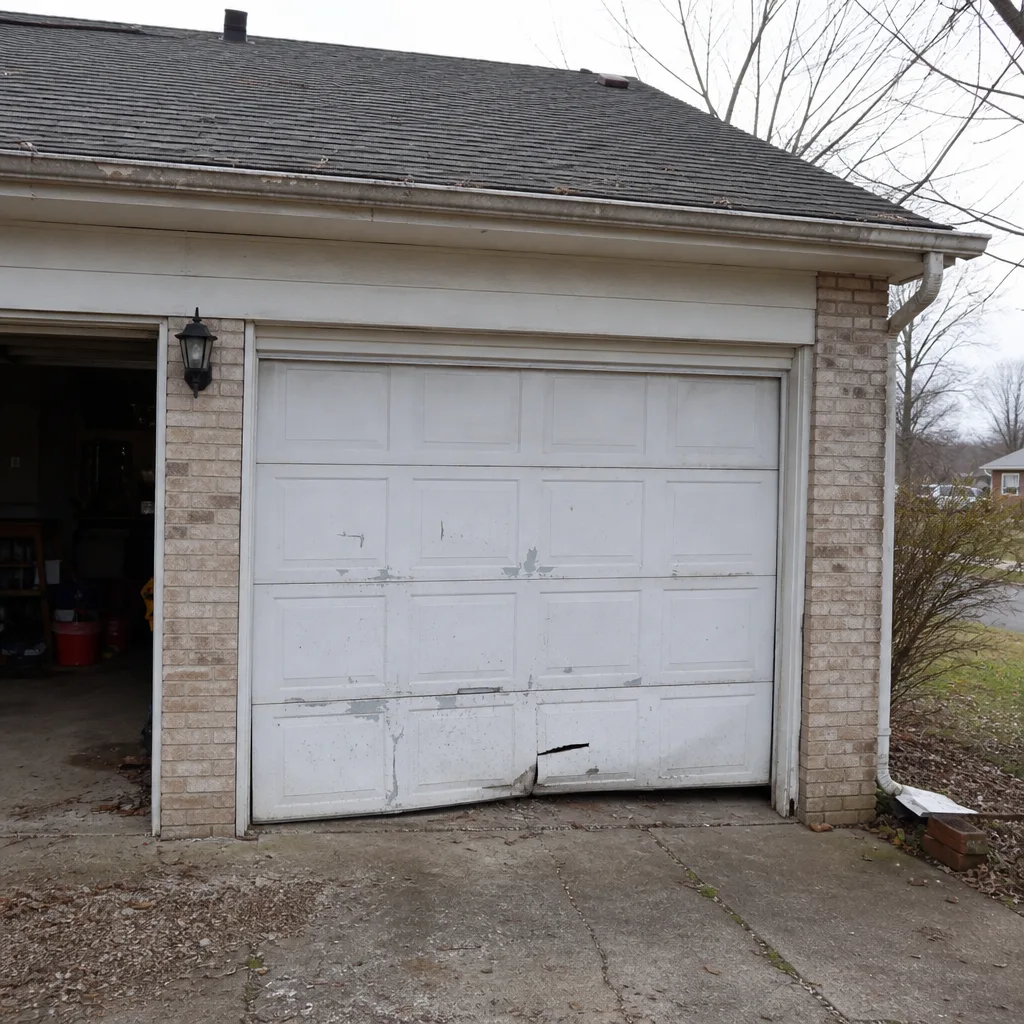 Before
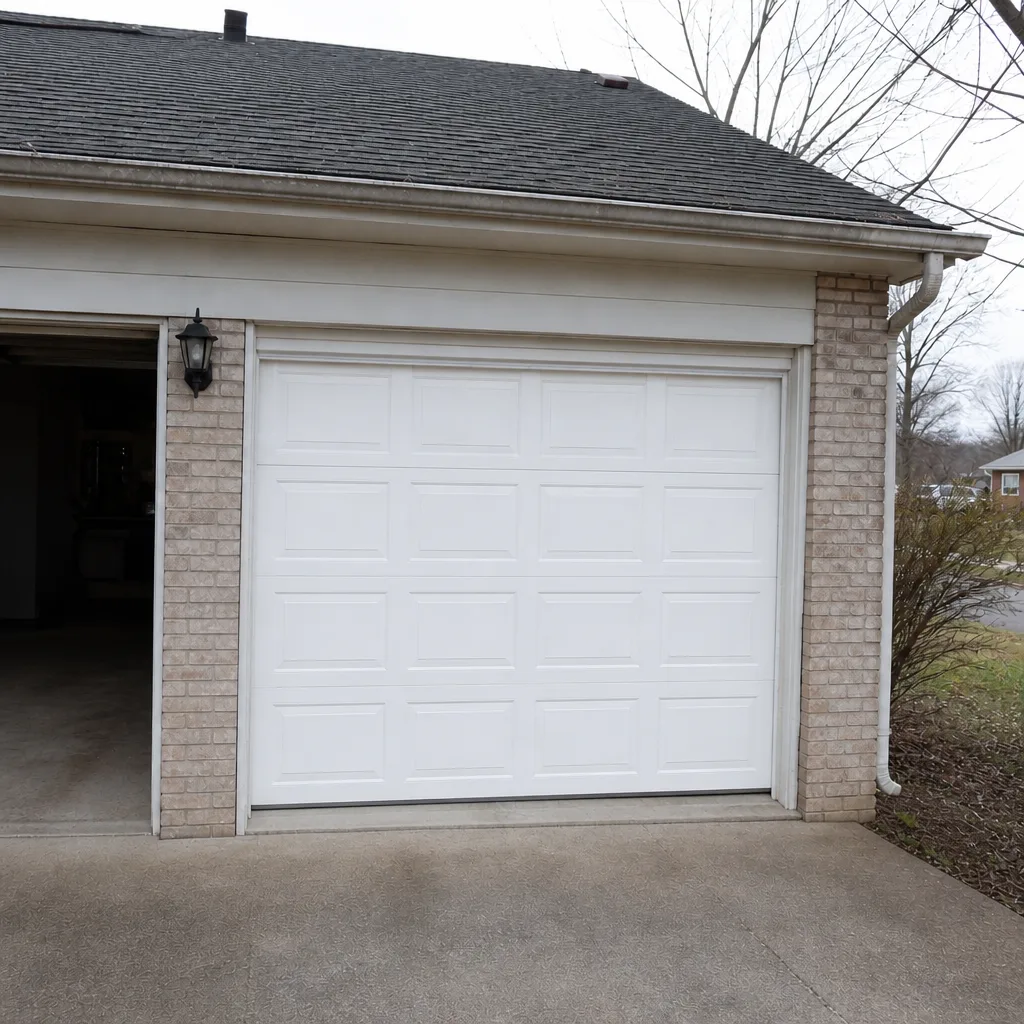 After
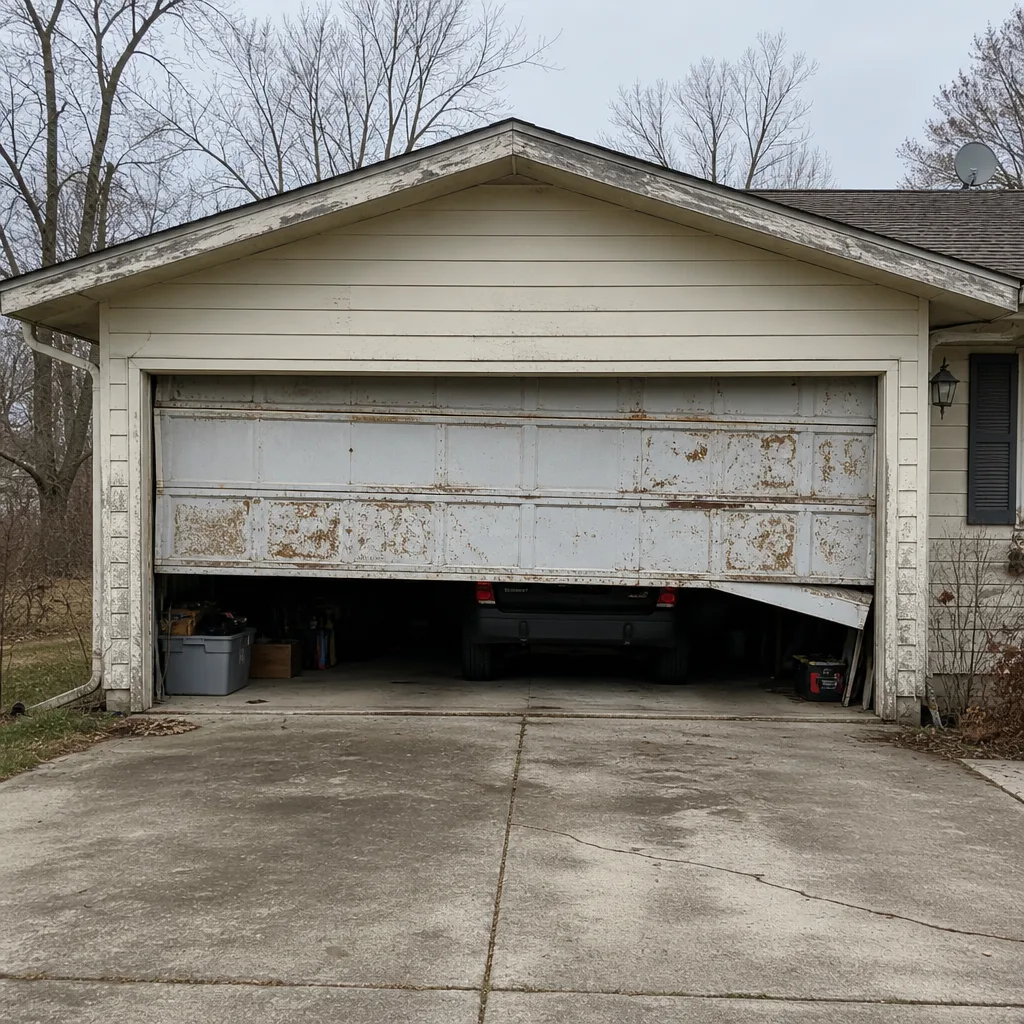 Before
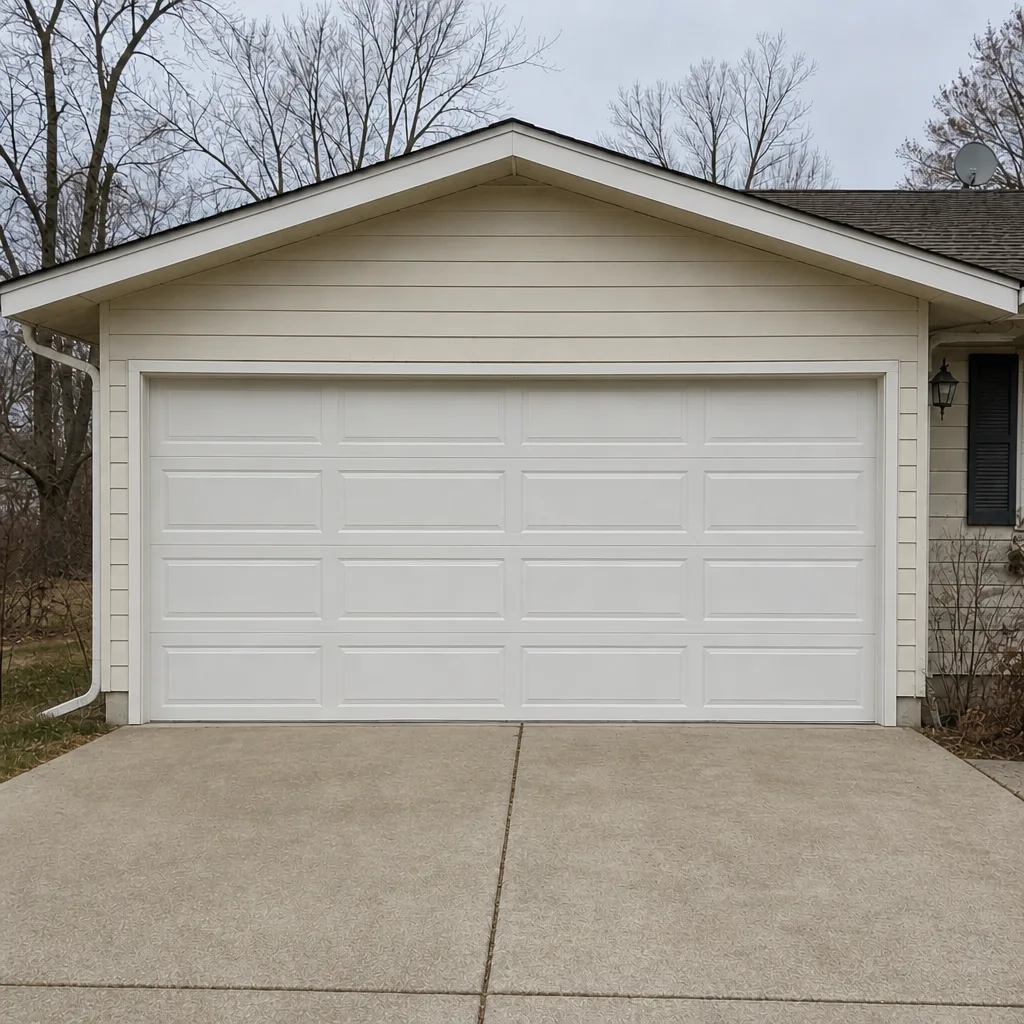 After
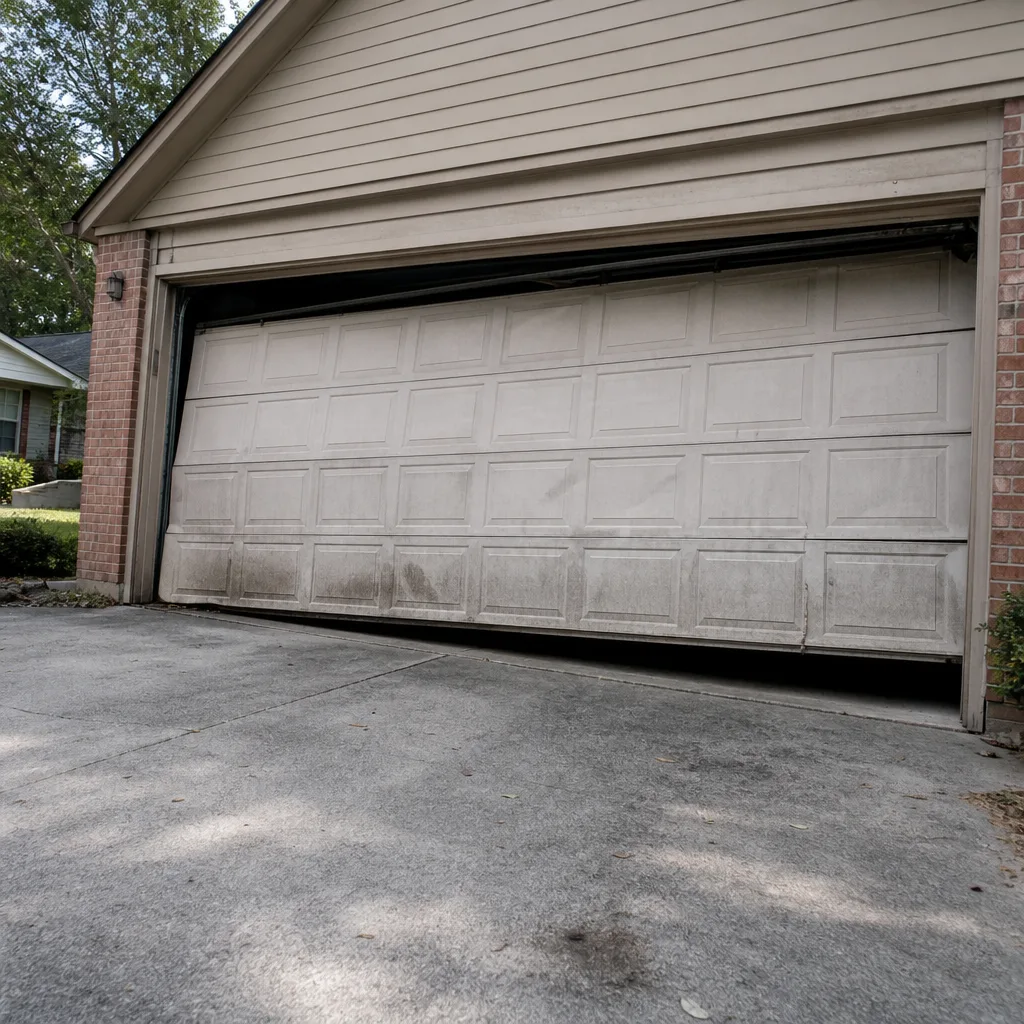 Before
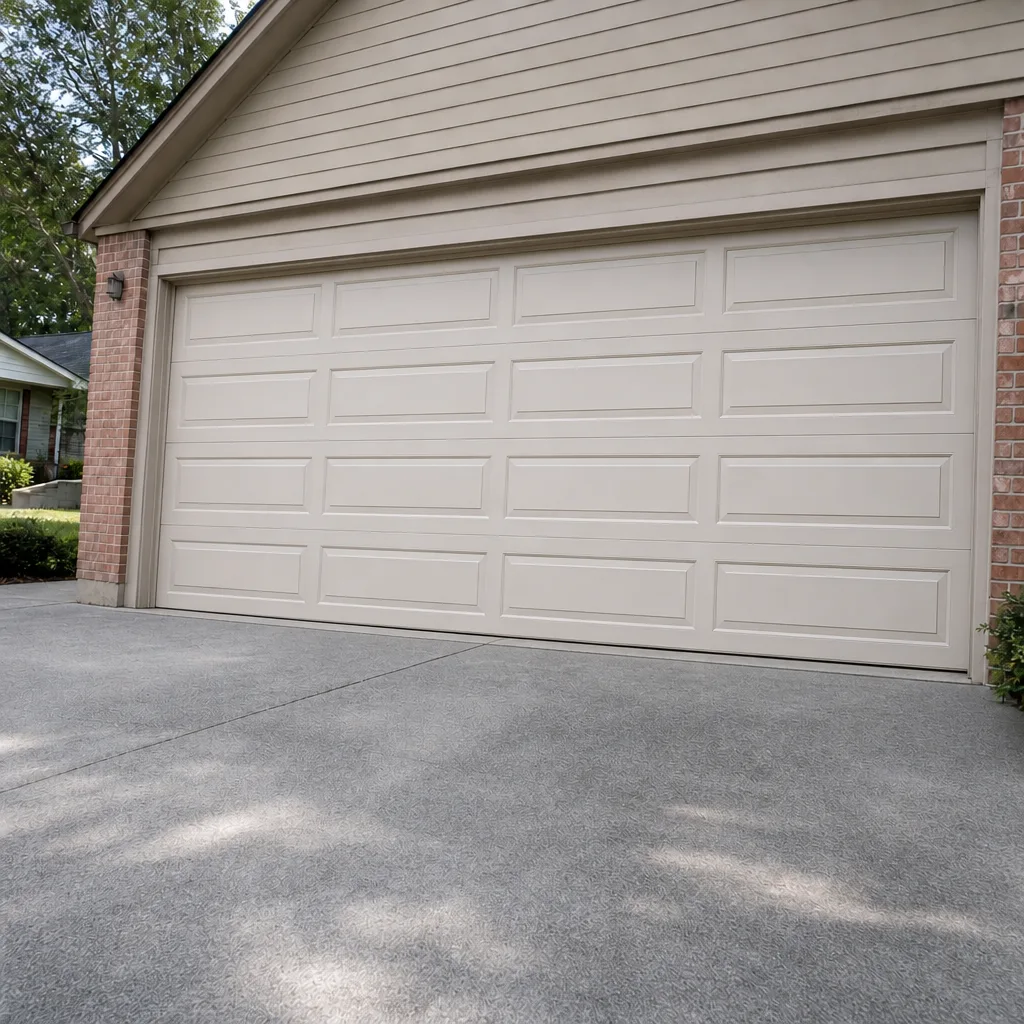 After
When to Call a Professional
Some garage door problems are fine to handle yourself: replacing a bottom seal, lubricating hinges, clearing debris from tracks. The rest of the list is a call. Broken or visibly sagging springs, a door that won’t balance, snapped cables, and any door that comes off its tracks are all professional territory. A garage door that won’t open or close puts your car and your house’s security at risk, and a jammed door left in a half-open position is a security problem. The same goes for opener problems that involve wiring or safety-reverse failures.
Emergency situations are real: a door stuck open in cold weather, a door that won’t close at all, a car trapped inside, or a spring that failed loudly overnight. Those need prompt attention, and we offer emergency service for them. Zionsville Garage Door Repair Pros offers free estimates in Zionsville – call (855) 337-1105.
Frequently Asked Questions
Typical repair costs vary by the issue. A spring service is generally one of the more significant repair categories, a bottom seal is one of the least, and opener repairs, panel repairs, and track adjustments fall in between. The best approach is a free estimate, because the exact cost depends on the door, brand, and part required. Call (855) 337-1105 for an exact quote – estimates are free.
No. Garage door springs store high tension and releasing it incorrectly can cause serious injury. This is a job for a trained technician, not a do-it-yourself project. If a spring is broken or the door feels heavy, stop using the door and call for service.
At least once a year, and ideally at the start of cold weather so the seal and springs are checked before the freeze-thaw cycle stresses them. A basic annual check catches most issues before they become repairs. Call (855) 337-1105 to schedule an estimate or service.
An attached garage shares a wall with heated living space, so insulation matters more than on a detached garage. Aim for a well-insulated door with a solid R-value if the garage shares a wall with living space or has a room above it. A free estimate can confirm what fits your specific home.
Yes. We work on LiftMaster, Chamberlain, Genie, Craftsman, and other major brands, so the opener you already have is generally serviceable. Call (855) 337-1105 to describe the brand and the issue, and we’ll tell you what to expect.
Don’t force it. If the door is stuck and the cold is making it worse, the issue is likely the spring, seal, or track. Keep the opener off and call for emergency service. Leaving the door half open is a security risk, so this counts as urgent. Call (855) 337-1105.
The Bottom Line
Garage doors in Zionsville live in a harder climate than national guides assume. Freeze-thaw cycles stress springs, harden seals, and fatigue hardware in ways mild-climate advice misses. The right moves: match insulation and seal material to whether your garage is attached or detached, calibrate springs for seasonal weight change, choose a door style that fits your home’s era, and service the system annually rather than waiting for a failure. When a spring breaks, a cable snaps, or the door won’t move, that’s a specialist call, not a handyman job. Zionsville Garage Door Repair Pros offers free estimates and emergency service for the situations that can’t wait – call (855) 337-1105 for a free estimate in Zionsville.
Written by the team at Zionsville Garage Door Repair Pros.